
European natural gas prices remained near six-week highs in May, with benchmark contracts trading around €50 per megawatt hour as geopolitical tensions in the Middle East continued fueling concerns over global LNG supply disruptions.
The market remained supported by growing skepticism that the United States and Iran would reach an immediate agreement capable of restoring broader energy exports from the Persian Gulf region.
Conflicting political signals from both Washington and Tehran contributed to renewed uncertainty, with hawkish rhetoric from Iranian officials offsetting earlier indications from the United States suggesting that negotiations were progressing toward a potential agreement.
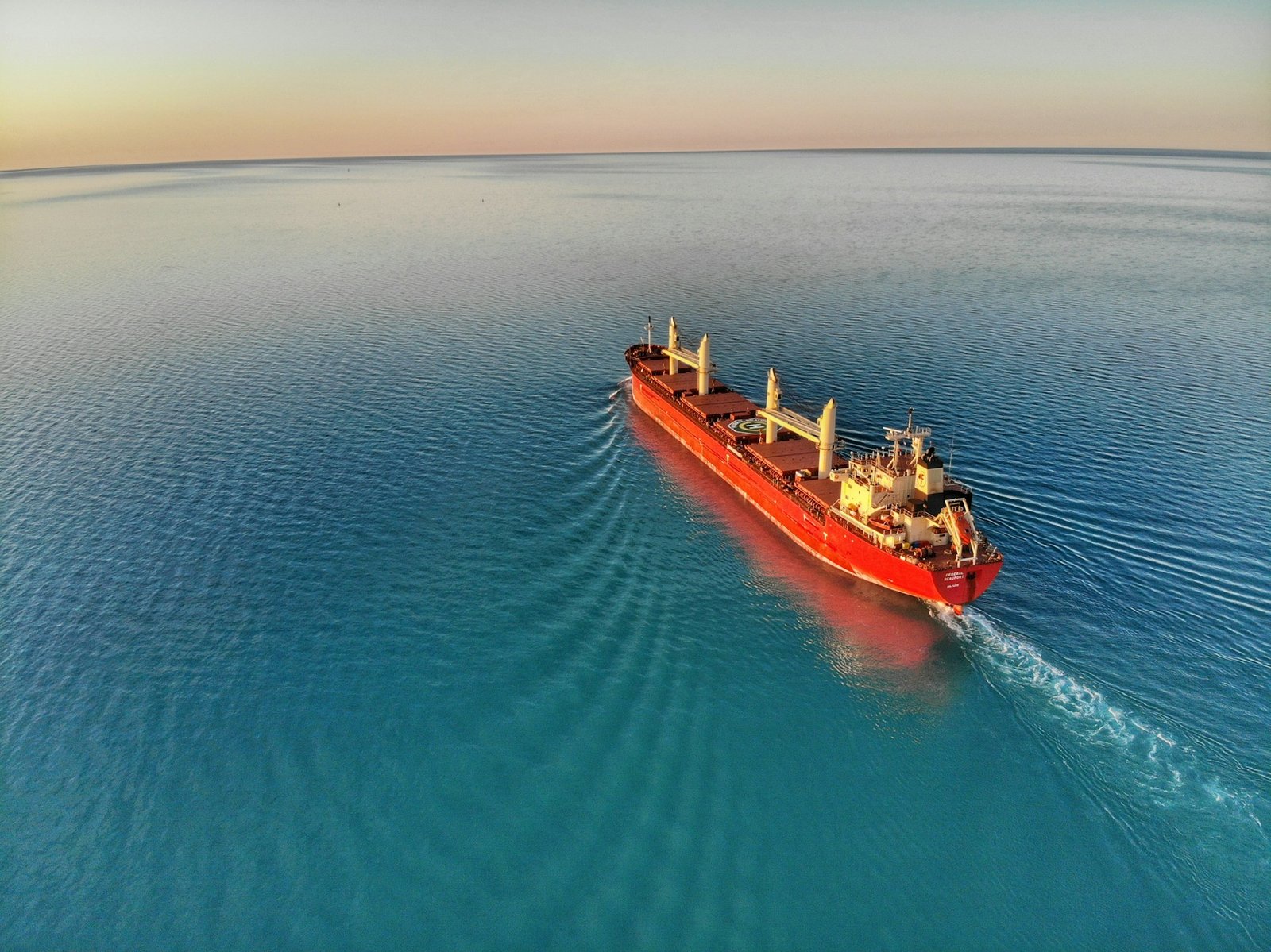
The tensions continue affecting maritime flows through the Strait of Hormuz, a critical global energy corridor responsible for a substantial share of global LNG and oil shipments.
The ongoing naval blockade impacting tanker traffic since March has significantly reduced exports from major Gulf Cooperation Council producers, tightening LNG availability for both Asian and European markets.
The disruption has maintained upward pressure on European gas prices despite stronger supply flows from Norway.
Market participants noted that easing maintenance activity at Norway’s Troll field helped increase Norwegian natural gas exports by approximately 40%, reaching around 260 million cubic meters per day.
The additional Norwegian supply partially alleviated concerns over shortages across Europe, although traders continue monitoring geopolitical developments closely given the region’s sensitivity to external energy shocks following recent years of supply volatility.
Energy markets remain highly reactive to any developments involving Iran, the United States, and shipping conditions in the Persian Gulf, particularly as elevated natural gas prices continue influencing inflation expectations, industrial costs, and European economic conditions.