
The U.S. dollar strengthened on Thursday, with the US Dollar Index rising above 99.2 and approaching levels last seen in April as investors closely monitored escalating geopolitical tensions in the Middle East and their potential impact on inflation.
Markets reacted to renewed uncertainty surrounding negotiations between the United States and Iran, with conflicting signals reducing optimism that a diplomatic agreement could be reached in the near term.
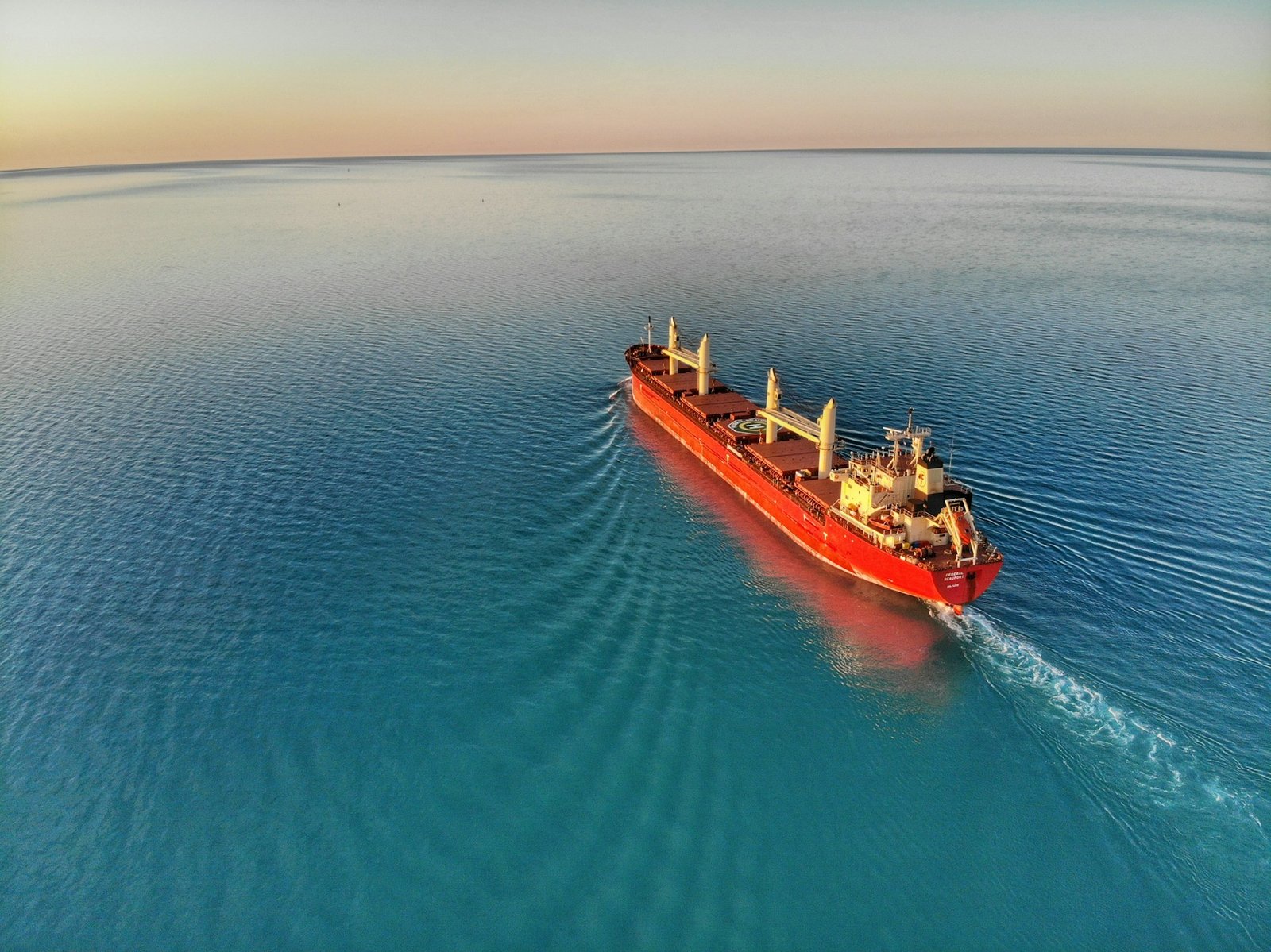
Investors also remain focused on disruptions involving the Strait of Hormuz, a critical global energy shipping route that continues facing operational restrictions despite some partial recovery in maritime traffic.
The renewed pressure on oil markets pushed energy prices higher again, reviving concerns that elevated fuel costs could continue feeding inflation across major economies.
According to reports from Reuters, Iran’s Supreme Leader issued a directive stating that the country’s near-weapons-grade uranium should not be transferred abroad, reinforcing Tehran’s position against one of Washington’s central demands in ongoing negotiations.
The development increased investor caution surrounding the broader geopolitical outlook and its implications for global energy markets and monetary policy expectations.
Meanwhile, minutes from the latest meeting of the Federal Reserve indicated that a majority of policymakers believe additional interest rate increases may still be necessary if inflation remains persistently above the central bank’s 2% target.
Although markets continue broadly expecting the Federal Reserve to maintain current interest rates through most of the year, traders are currently pricing in roughly a 40% probability of a 25 basis-point rate increase by December.