
WTI crude futures declined for a second consecutive session on Wednesday, trading near $102 per barrel as investors cautiously evaluated the possibility of a diplomatic agreement between the United States and Iran amid ongoing geopolitical tensions in the Middle East.
The decline followed mixed signals from both Washington and Tehran regarding the potential for renewed negotiations and a possible de-escalation of the conflict.
President Donald Trump stated that the conflict with Iran could end “very quickly,” while also warning that the United States could resume military strikes within days if negotiations fail.
Trump also said he recently canceled a planned U.S. attack scheduled for Tuesday as part of broader efforts to advance a potential diplomatic agreement.
Iran, however, warned that any renewed attacks by the United States or Israel could expand the conflict “beyond the region,” reinforcing concerns surrounding global energy security and maritime trade routes.
Despite the pullback in crude futures, disruptions in the Strait of Hormuz continue to provide underlying support for oil prices.
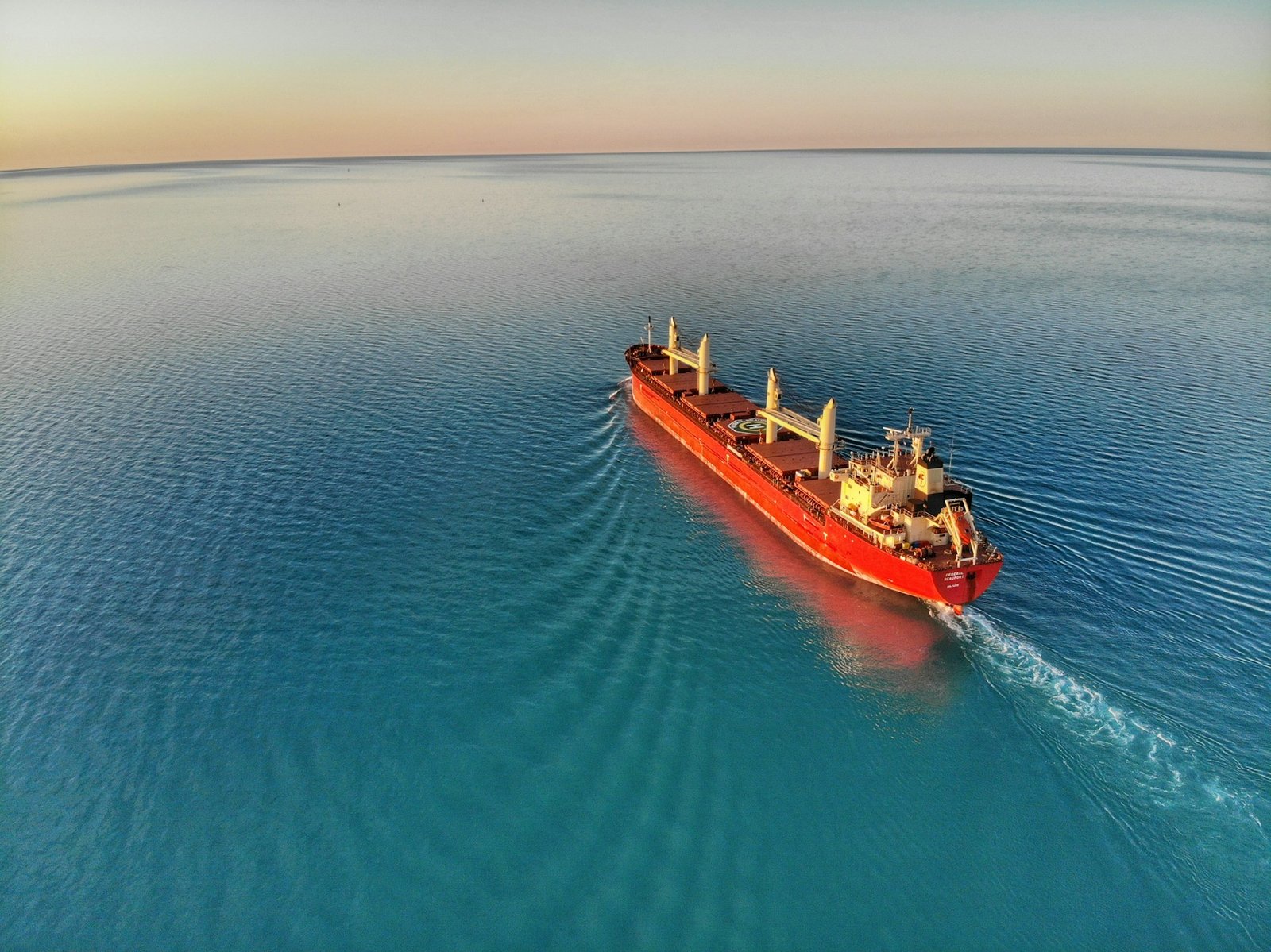
While some vessels have resumed transit through the strategic shipping corridor, traffic remains heavily restricted, sustaining fears over potential supply disruptions across global energy markets.
According to shipping reports, three supertankers carrying crude oil departed the Strait on Wednesday, signaling a partial normalization in maritime activity despite elevated geopolitical risks.
Oil prices nevertheless remain approximately 50% above levels recorded before the conflict began, underscoring how regional instability continues to reshape energy market expectations, inflation forecasts, and global trade risk assessments.
Investors are now closely monitoring developments involving Washington, Tehran, and regional military activity, as further disruptions in the Strait of Hormuz could significantly impact global oil supply chains and broader financial markets.