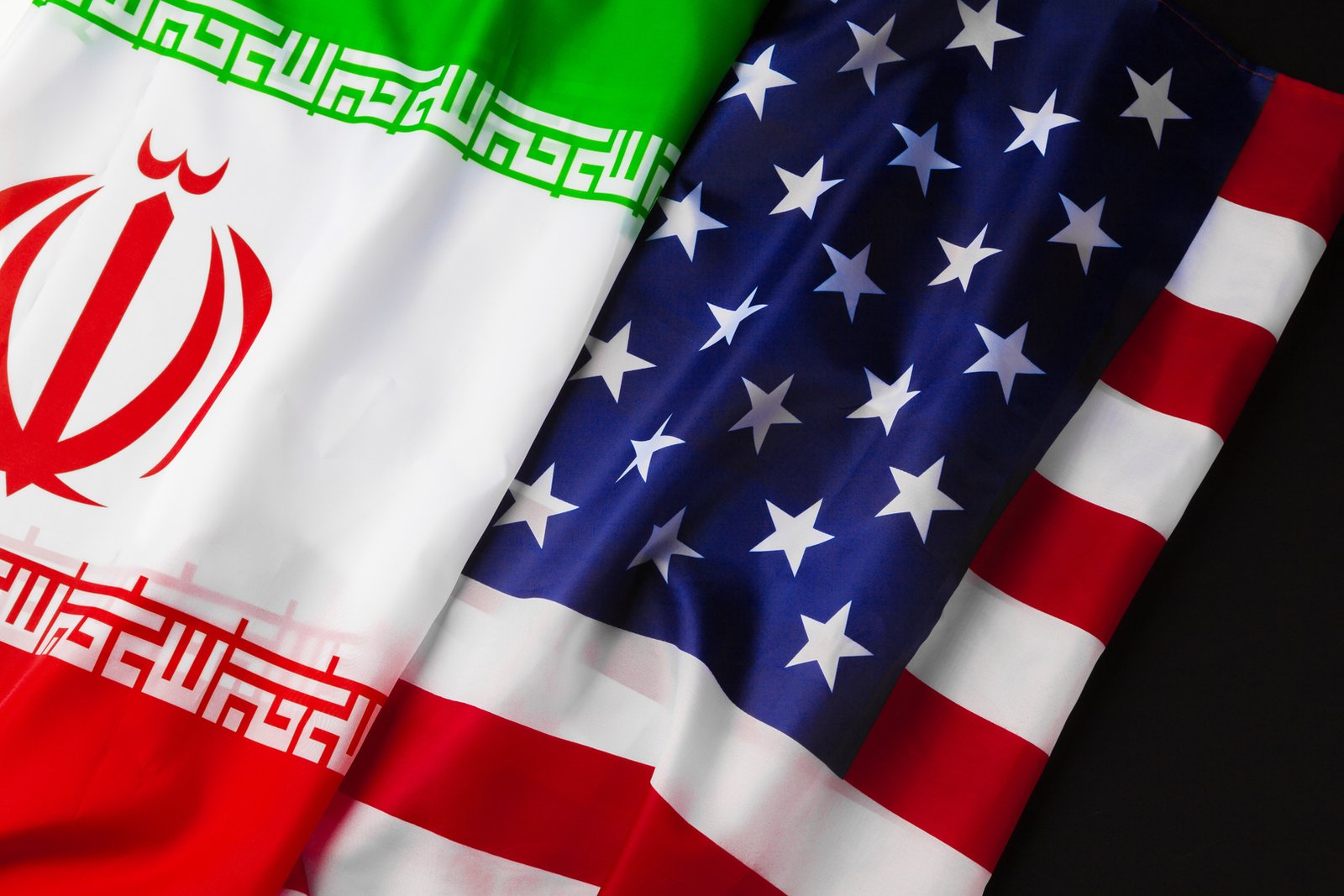

The United States and Iran sought to lower expectations for an immediate diplomatic breakthrough on Sunday, signaling that negotiations aimed at ending the three-month conflict remain fragile despite signs of progress, according to Reuters.
Speaking in New Delhi, US Secretary of State Marco Rubio said Washington would continue giving diplomacy “every chance” to succeed before considering “alternatives” should negotiations fail to produce a formal agreement.
The comments followed remarks from President Donald Trump, who stated on May 24 that he had instructed US negotiators not to rush into a deal with Tehran.
Rubio indicated that discussions between the two sides were centered on several critical issues, including the reopening of the Strait of Hormuz, renewed nuclear negotiations, and broader regional de-escalation efforts.
“There was a pretty solid thing on the table in terms of their ability to open up the strait, get the strait open, enter into a very real, significant, time-limited negotiation on the nuclear matter, and hopefully we can pull it off,” Rubio told reporters.
Global markets have closely monitored the talks due to the strategic importance of the Strait of Hormuz, which carries roughly one-fifth of the world’s oil and liquefied natural gas shipments. Any agreement restoring access to the corridor could ease supply disruptions, lower energy prices, and reduce inflationary pressures affecting major economies.
Despite recent diplomatic momentum, analysts caution that negotiations remain highly complex, involving sanctions policy, nuclear oversight, regional security guarantees, and broader geopolitical considerations between Washington and Tehran.