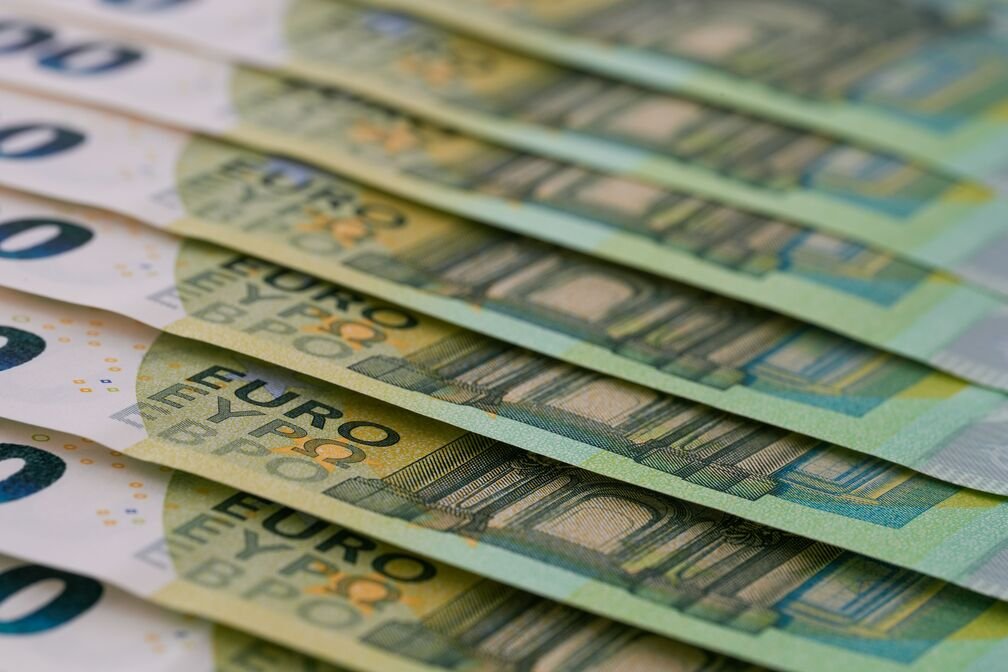

The euro strengthened toward $1.163 on Monday, recovering from a six-week low as easing tensions in the Middle East improved investor sentiment and reduced pressure on global energy markets.
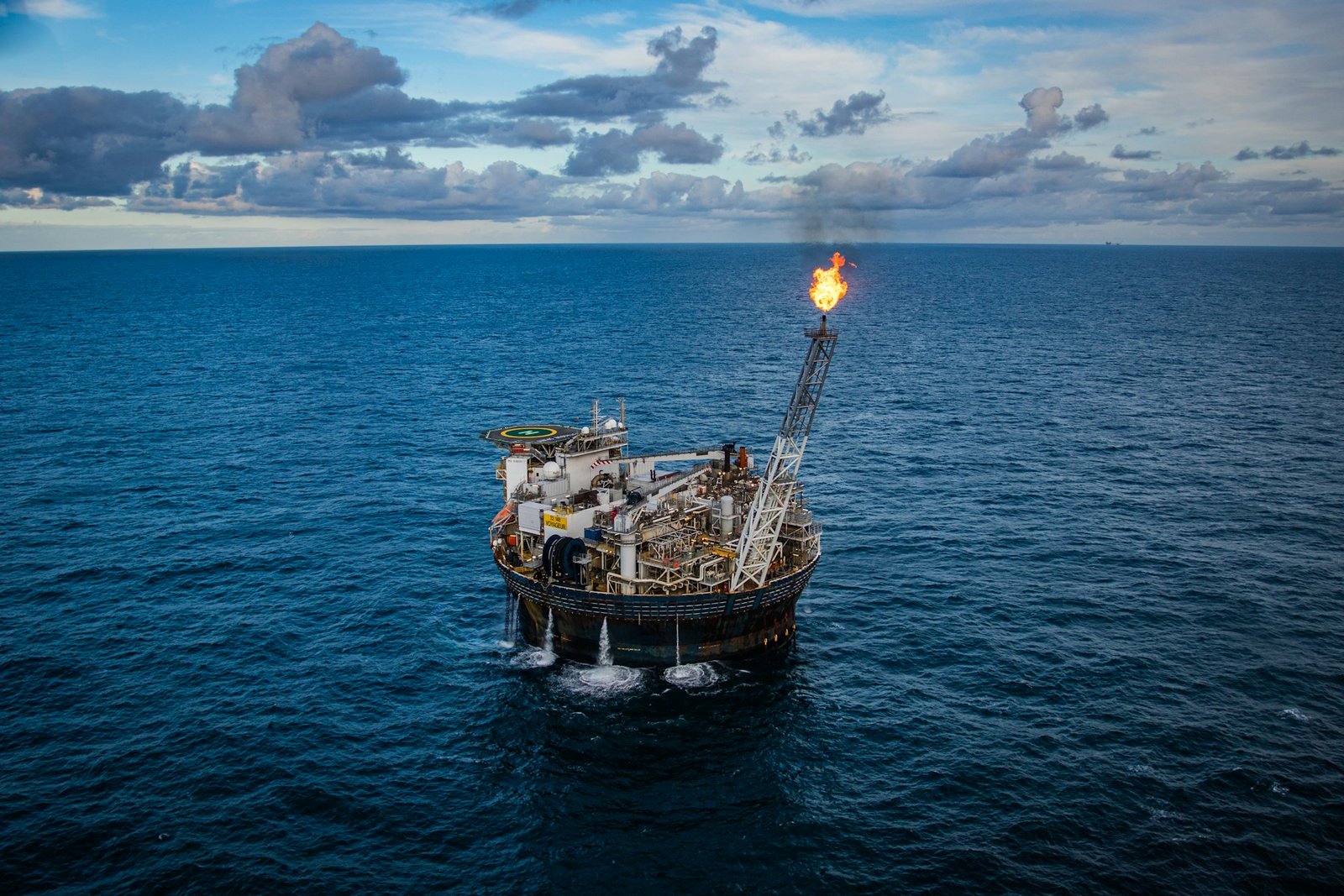
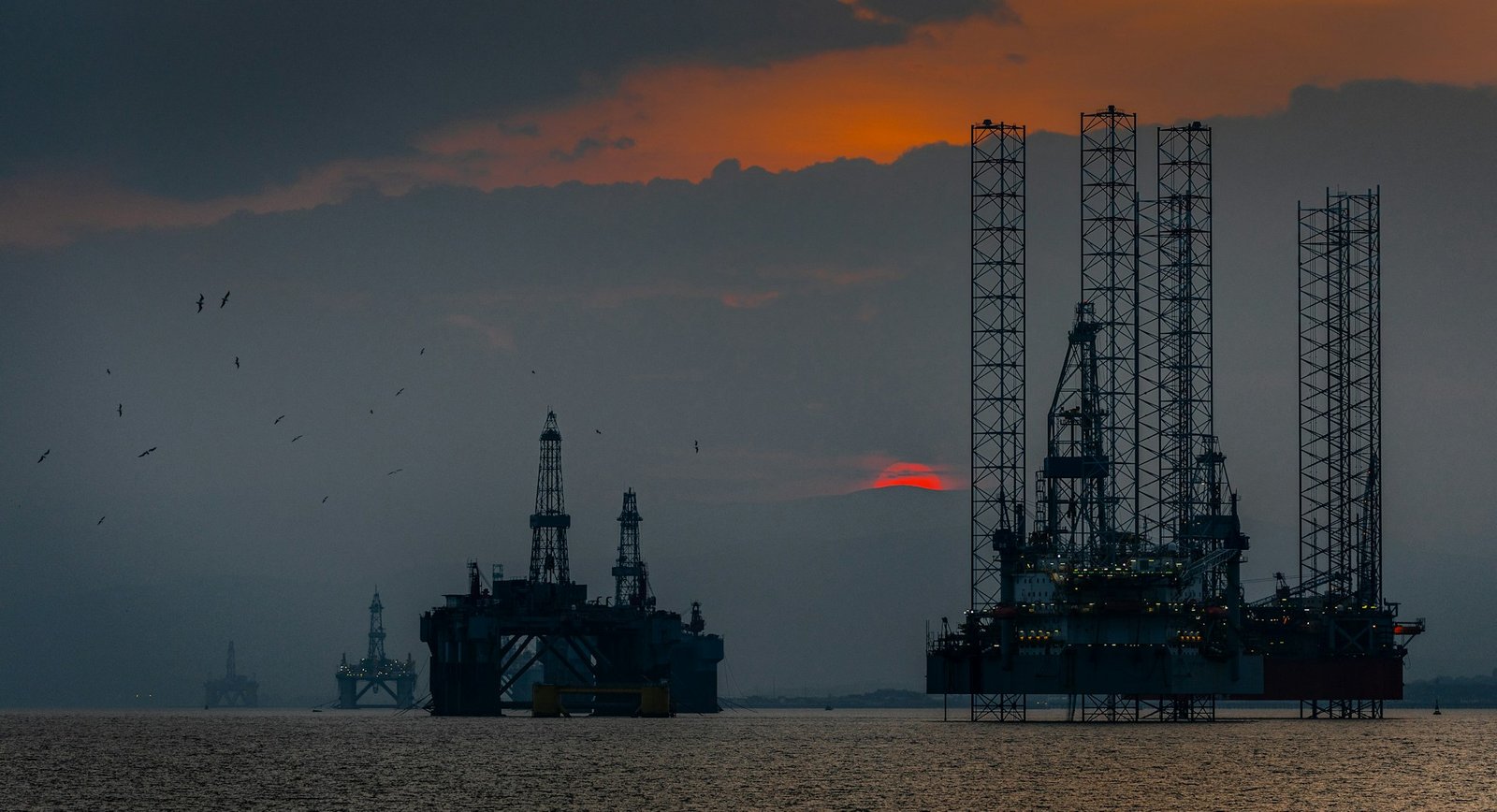
The currency gained after progress in negotiations between the United States and Iran helped push Brent crude prices below the $100-per-barrel threshold, lowering concerns over prolonged supply disruptions and imported inflation across Europe.
President Donald Trump stated that a memorandum of understanding between Washington and Tehran had been “largely negotiated,” adding that the agreement could ultimately lead to the reopening of the Strait of Hormuz — one of the world’s most critical energy transit routes.
Meanwhile, US Secretary of State Marco Rubio described the proposed framework as “pretty solid,” suggesting it may open the door to “very real, significant time-limited negotiations on nuclear matters.”
The decline in oil prices provided relief for European markets after recent energy shocks intensified inflation concerns throughout the Eurozone. However, the broader economic backdrop remains fragile.
Last week’s PMI data showed the Eurozone economy contracted in May at its fastest pace since late 2023, reflecting weaker business activity and a renewed surge in living costs tied to the conflict-driven rise in energy prices. S&P Global warned the latest figures point to inflation approaching 4%, complicating the outlook for policymakers at the European Central Bank.
Despite slowing economic activity, money markets are currently pricing in two additional ECB rate hikes before the end of the year, as investors anticipate policymakers may prioritize inflation risks over growth concerns.
Currency markets remain highly sensitive to developments surrounding the US-Iran negotiations, energy prices, and the ECB’s policy trajectory, with analysts warning that volatility could persist as geopolitical and inflationary pressures continue to shape the global macroeconomic outlook.