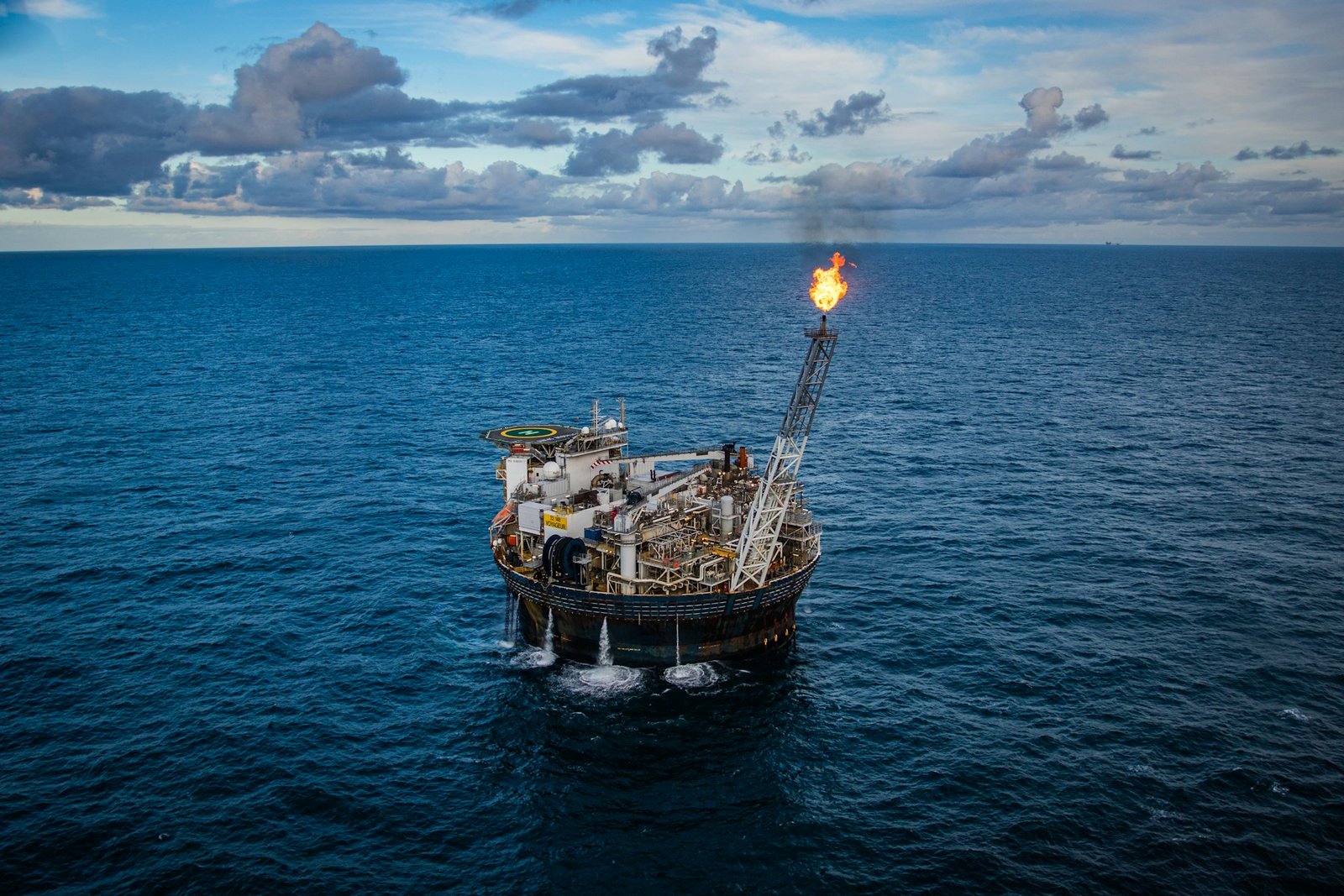

WTI crude futures climbed above $102 per barrel on Monday, snapping a two-day decline as escalating tensions in the Strait of Hormuz renewed concerns over global oil supply flows.
The move followed reports that a tanker was struck by projectiles in the strategic waterway, a critical transit point that handles roughly a fifth of the world’s oil shipments. The incident added to market volatility already driven by heightened geopolitical risks in the Middle East.
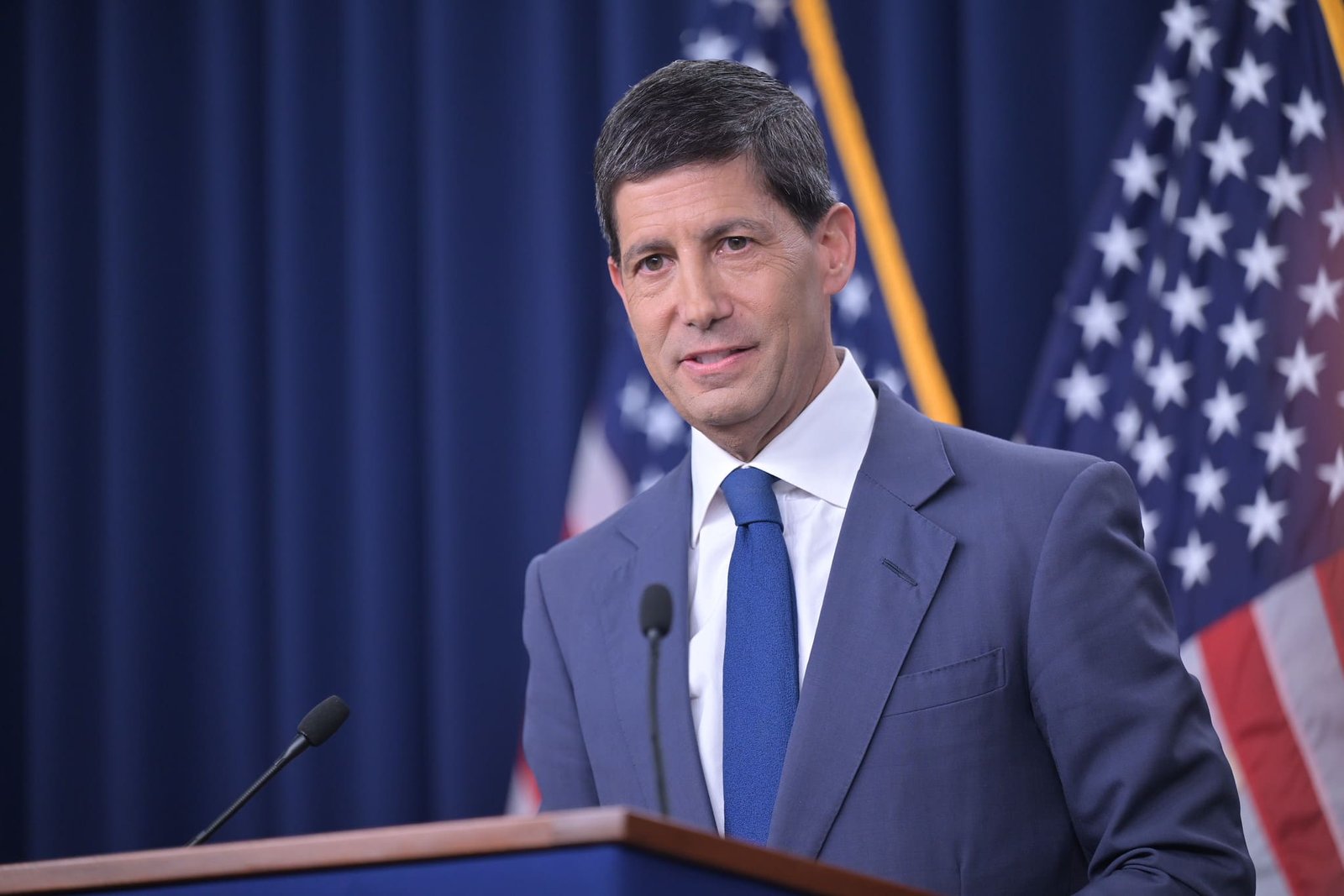
Shortly before the reports emerged, Donald Trump announced plans for a U.S.-led initiative aimed at guiding commercial vessels through the strait. The operation, referred to as “Project Freedom,” is designed to assist civilian ships flagged in non-aligned countries in exiting the contested passage and resuming operations. Implementation is expected to begin immediately.
Iran responded with a warning that it would target any U.S. forces entering the narrow corridor without coordination, while also cautioning commercial vessels and oil tankers against navigating the area independently. The statements underscore the growing risks to maritime security and energy supply chains.
At the same time, Tehran indicated it is reviewing Washington’s response to its latest 14-point diplomatic proposal, keeping the possibility of negotiations on the table even as tensions escalate.
Oil prices have surged sharply this year, reflecting a market increasingly sensitive to disruptions in key transit routes and geopolitical developments. The effective constraints on movement through the Strait of Hormuz have amplified concerns about supply stability, reinforcing the role of geopolitical risk as a primary driver of energy markets.