
The US Senate has approved bipartisan legislation designed to shorten federal permitting procedures for energy and infrastructure projects, as rising electricity demand from artificial intelligence data centers intensifies concerns about power costs and grid capacity.
The Bipartisan American Affordability and Jobs Act of 2026 passed Thursday, November 19, by a vote of 62–33, bringing Congress closer to a substantial overhaul of federal environmental review and infrastructure permitting rules.
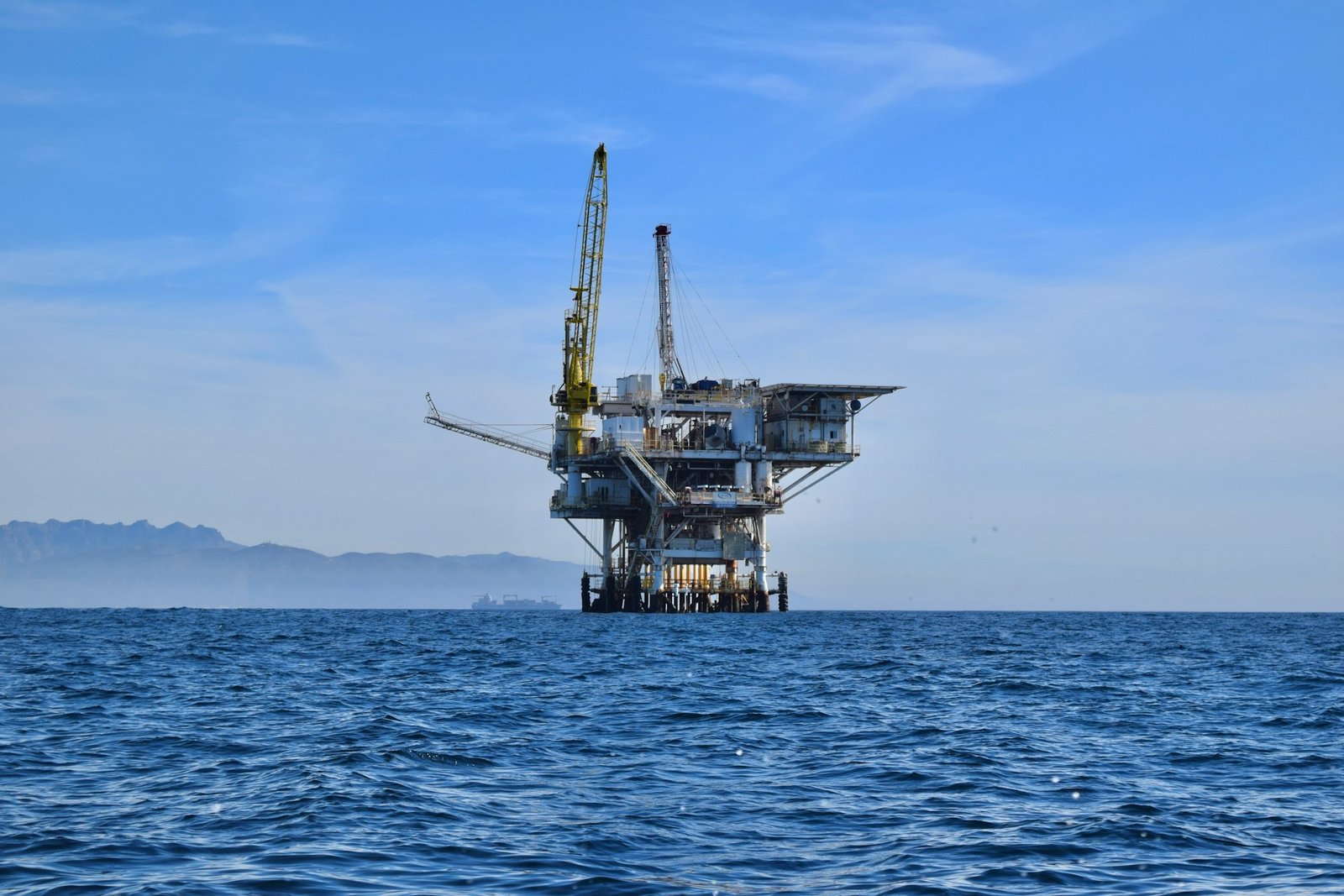
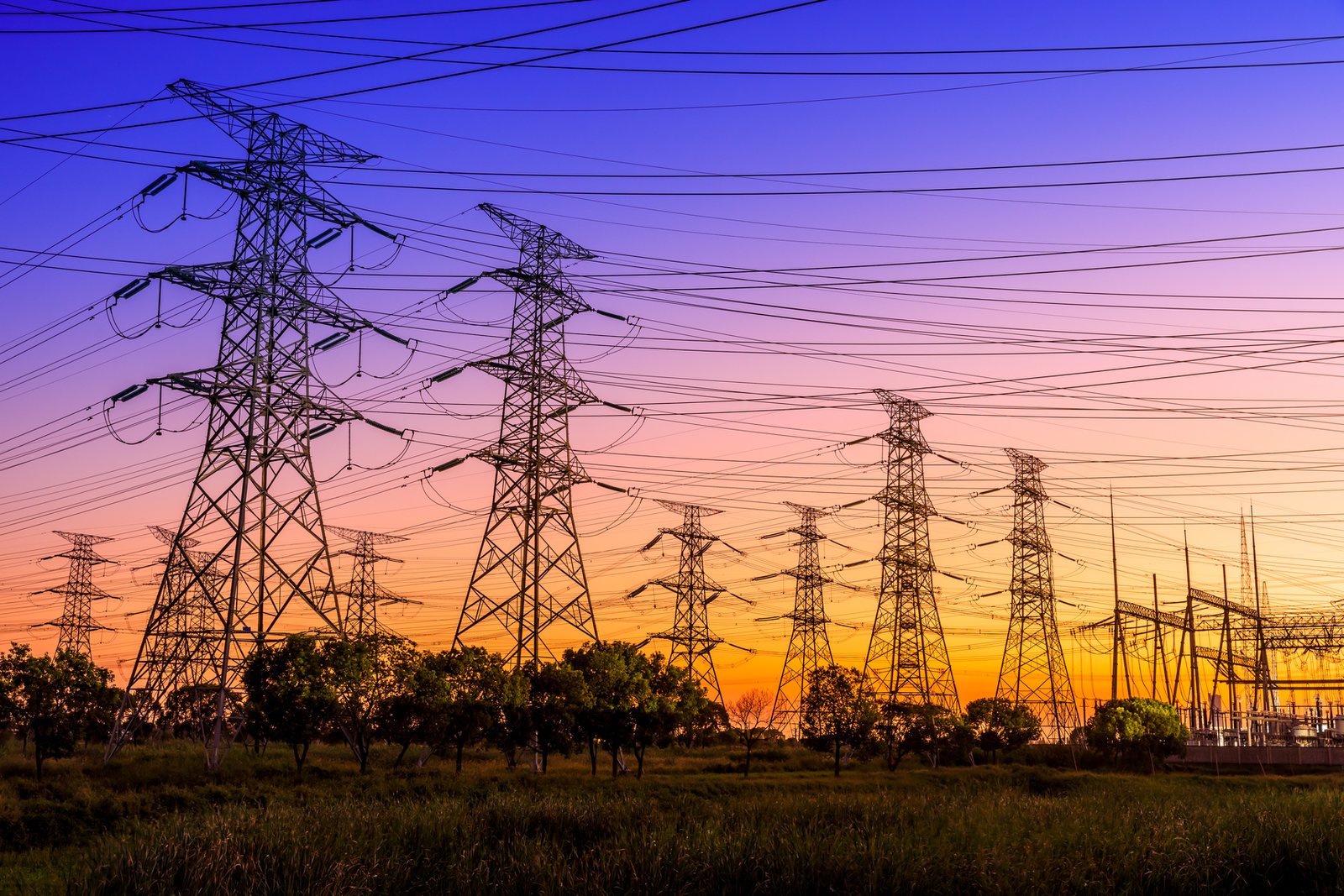
The legislation would accelerate approvals for projects including power plants, electricity transmission lines, pipelines and mining operations.
AI Data Centers Bring Electricity Costs Into Focus
The legislation comes as the expansion of artificial intelligence creates additional demand for electricity-intensive data centers.
Building and operating advanced AI infrastructure requires substantial computing capacity, cooling systems and reliable power supplies.
That growth has increased attention on whether electricity grids can accommodate new facilities without imposing additional costs on existing customers.
Under the Senate proposal, large data centers would be required to bear specified transmission costs associated with connecting their facilities to the electricity network.
The measure is intended to limit the extent to which those expenses are passed on to other electricity customers.
Despite bipartisan support, the proposal has generated opposition from environmental organizations, Native American tribal representatives and some lawmakers.
Critics argue that reducing opportunities for judicial review could weaken environmental safeguards and limit communities’ ability to challenge potentially harmful projects.
The legislation now moves to the House of Representatives, where consideration is expected after the Thanksgiving recess.
Sources: Associated Press; US Senate; Congressional Research Service; White House Office of Management and Budget; Seeking Alpha.