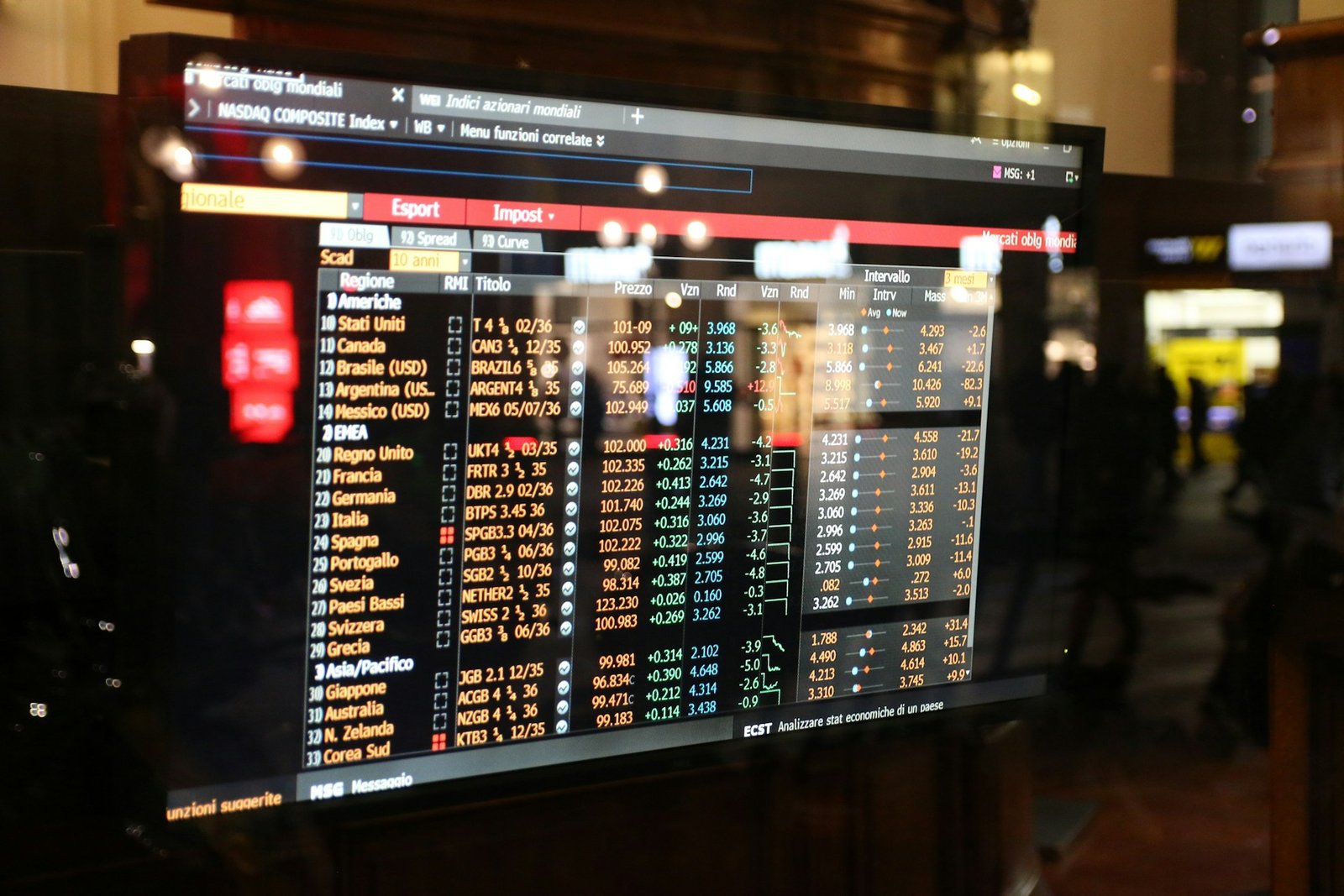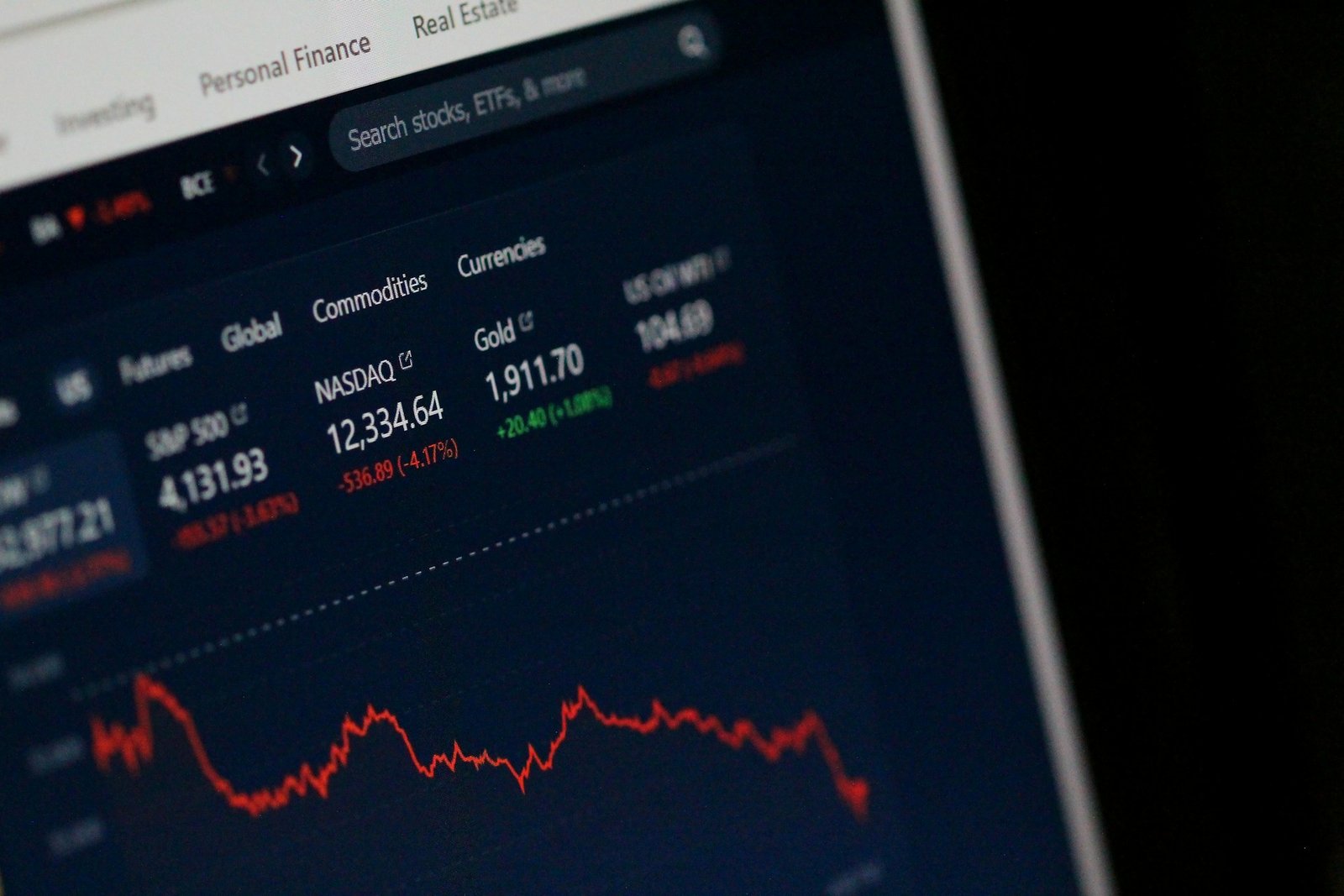

Global stock markets fell sharply on Friday as a sell-off in artificial intelligence-related companies intensified, with investors questioning whether record spending on AI infrastructure can generate sufficient financial returns to justify elevated valuations.
The downturn came despite Anthropic’s historic $81.3 billion initial public offering, which had been expected to provide fresh momentum for technology shares.
Instead, the company’s Nasdaq debut failed to reverse the broader decline in AI-related stocks, while concerns surrounding Nvidia and Advanced Micro Devices added to market uncertainty.
Asian Stocks Record Worst Week Since 2020
Asian equity markets were among the hardest hit.
According to Reuters, MSCI’s broadest index of Asia-Pacific shares outside Japan declined approximately 8.5% over the week, marking its steepest weekly fall since March 2020.
Japan’s Nikkei 225 dropped approximately 5% on Friday, while South Korea’s technology-heavy Kospi fell more than 5%.
Taiwanese equities also suffered substantial losses as investors reduced exposure to semiconductor manufacturers and companies linked to the global AI supply chain.
In Europe, the STOXX 600 declined during early trading, extending the sell-off beyond Asian and US markets.
The broad geographic reach of the downturn illustrates how closely global equity markets have become connected through investment in artificial intelligence and semiconductor infrastructure.
Anthropic’s Record IPO Fails to Restore Confidence
Anthropic raised approximately $81.3 billion in its initial public offering, the largest in stock market history.
Shares of the Claude developer opened Thursday at $111.50, approximately 34% above their $83 offering price, before closing at $97.17, a gain of about 17%.
However, the company’s shares retreated in Friday’s premarket trading.
The reversal suggests that strong investor demand for individual AI companies has not eliminated broader concerns about the sector’s financial outlook.
Investors are increasingly focused on the relationship between rapid revenue growth, infrastructure spending and the time required for AI businesses to achieve sustainable profitability.
Nvidia Leadership Uncertainty Adds to Market Pressure
Nvidia, one of the companies most closely associated with the global AI investment boom, has faced additional pressure following reports of leadership uncertainty and questions surrounding its business relationships.
The developments have complicated investor assessments of the chipmaker despite its strong quarterly financial performance.
Nvidia’s importance extends beyond its own share price.
The company supplies specialized processors used in AI data centers, making its business outlook relevant to cloud computing providers, semiconductor manufacturers and technology companies developing advanced models.
Consequently, uncertainty surrounding Nvidia can influence sentiment across a much wider group of publicly traded businesses.
AMD Faces Questions Over China Exposure
Advanced Micro Devices also came under pressure following a bearish report from Hunterbrook Media concerning the company’s business relationships and exposure to China.
Hunterbrook disclosed a short position in AMD, meaning it stood to benefit financially if the company’s share price declined.
The report raised concerns about potential regulatory risks associated with AMD’s activities involving Chinese entities.
An AMD spokesperson disputed the allegations, stating that the claims misrepresented the company’s business practices and relationships, according to Reuters.
The report’s allegations should not be interpreted as established regulatory violations.
Nevertheless, the controversy added to existing investor concerns about semiconductor supply chains, export restrictions and geopolitical tensions between the United States and China.
Investors Reassess the Economics of Artificial Intelligence
The latest market declines reflect a broader debate over the sustainability of the AI investment cycle.
Technology companies have committed substantial capital to data centers, advanced processors, energy infrastructure and model development.
While demand for AI products and services continues to expand, investors are increasingly questioning how quickly those investments will translate into earnings and cash flow.
Higher borrowing costs and expectations of further Federal Reserve interest rate increases may also weigh on companies whose valuations depend heavily on future growth.
The combination of financial, regulatory and geopolitical risks has made investors more selective about their exposure to the sector.