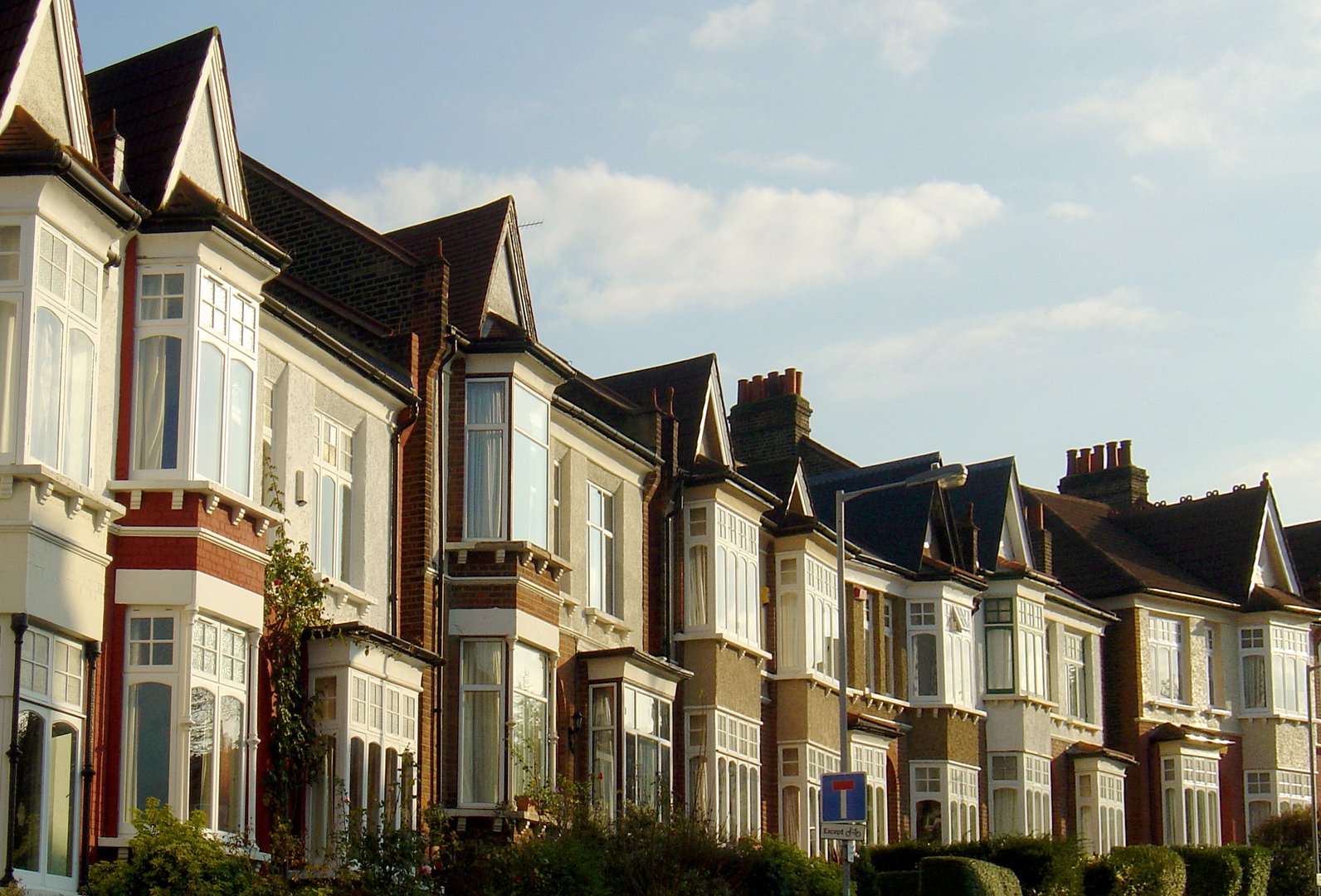

Higher borrowing costs have moderated activity across much of the U.S. housing market, yet several fast-growing metropolitan areas continue to attract buyers, employers and investors, positioning them for stronger home price appreciation.
According to the latest data from the Federal Housing Finance Agency (FHFA), U.S. house prices increased 1.7% year over year in the first quarter of 2026, reflecting a significantly slower pace of appreciation than during the post-pandemic housing boom. The agency also reported a 0.5% quarterly increase, suggesting the market continues to expand, albeit at a more moderate rate.
Market forecasts likewise point to a period of modest national price growth. Reuters reported that economists expect U.S. home prices to rise only around 1.2% in 2026, as mortgage rates remain above historical averages and affordability continues to weigh on buyer activity.
Against that backdrop, some local markets are expected to diverge from the broader national trend.
Five Cities Drawing Investor Attention
Real estate expert Jonathan Ayala believes Nashville, Tennessee; Huntsville, Alabama; Columbus, Ohio; Greenville, South Carolina; and the Raleigh-Durham region of North Carolina are among the metropolitan areas best positioned for stronger home price appreciation over the coming years.
According to Ayala, several structural factors continue to support these markets.
“Job growth, corporate influx, and low living costs are key drivers behind these markets,” Ayala said, adding that these cities continue to attract both residents and businesses seeking alternatives to higher-cost metropolitan areas.
The cities highlighted by Ayala have consistently ranked among the fastest-growing employment hubs in the United States, benefiting from expansions in sectors including advanced manufacturing, aerospace, healthcare, financial services and technology.
Economic Fundamentals Continue to Shape Regional Housing Markets
Housing analysts increasingly point to local economic conditions rather than national trends as the primary driver of residential real estate performance.
Markets experiencing sustained employment growth, population inflows and corporate relocations have generally maintained stronger housing demand despite higher financing costs.
At the same time, inventory conditions remain an important differentiator. Markets where new housing supply has struggled to keep pace with population growth have generally demonstrated greater resilience in home prices.
The latest Zillow Home Value Index estimates the average U.S. home value at approximately $370,320, up 0.7% from a year earlier, illustrating the broader moderation in national price appreciation.
Mortgage Rates Continue to Limit Nationwide Growth
Although localized markets may outperform, economists caution that the broader housing market remains constrained by financing costs.
Mortgage rates have remained near multi-year highs, reducing affordability for many prospective buyers while discouraging existing homeowners from listing properties secured with lower-rate mortgages.
This “lock-in effect” continues to limit housing inventory in many regions, while elevated borrowing costs moderate transaction volumes and price growth nationwide.
Regional Performance Increasingly Diverges
The combination of slower national appreciation and stronger local economic fundamentals suggests that housing market performance may become increasingly regional rather than national.
For investors and homebuyers, analysts note that employment trends, business investment, population growth and housing supply are becoming more important indicators than nationwide price averages when evaluating long-term residential real estate opportunities.
While overall U.S. home price growth is expected to remain modest in 2026, markets with expanding labor forces and diversified economies may continue to outperform the broader housing sector, supporting above-average appreciation over the medium term.