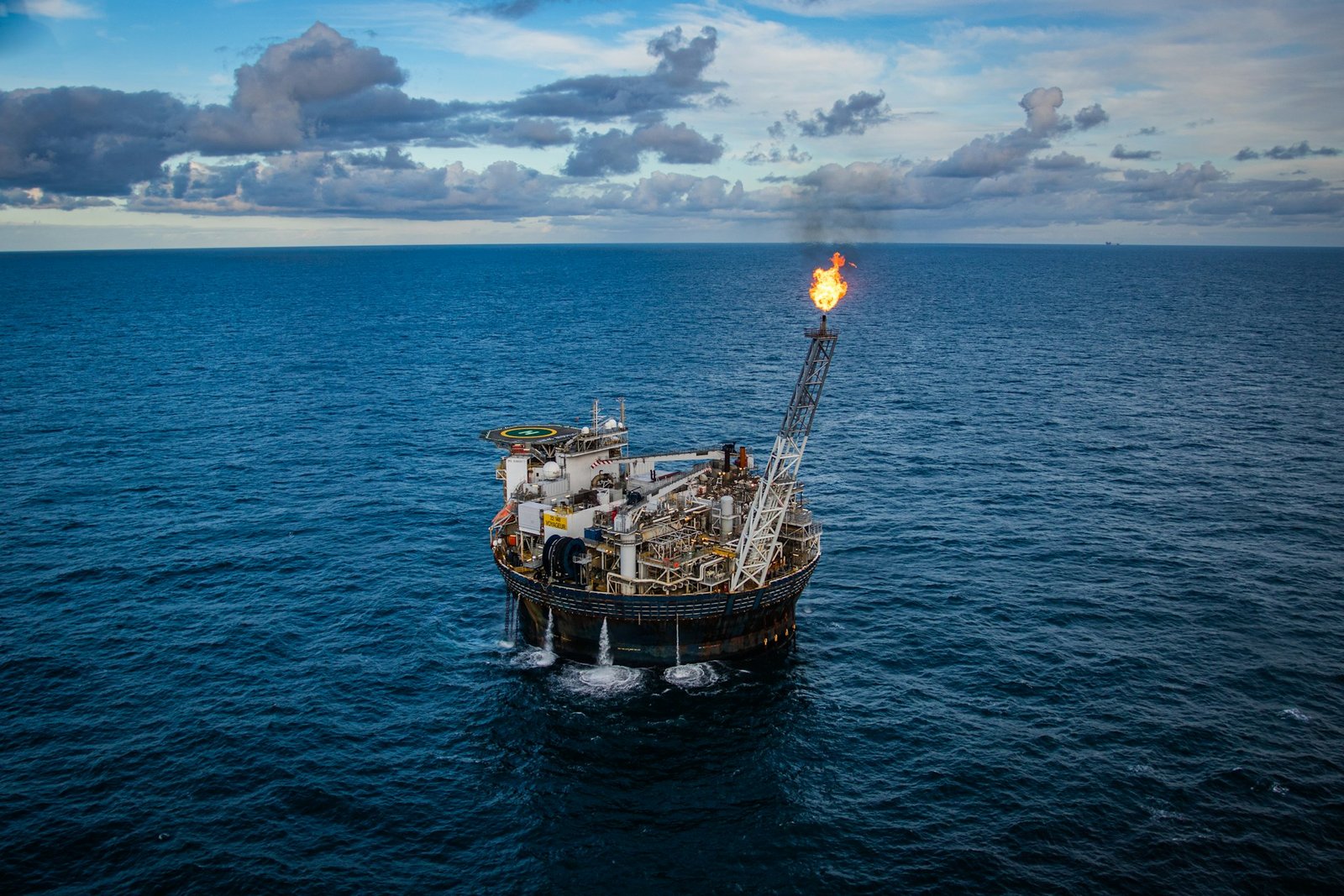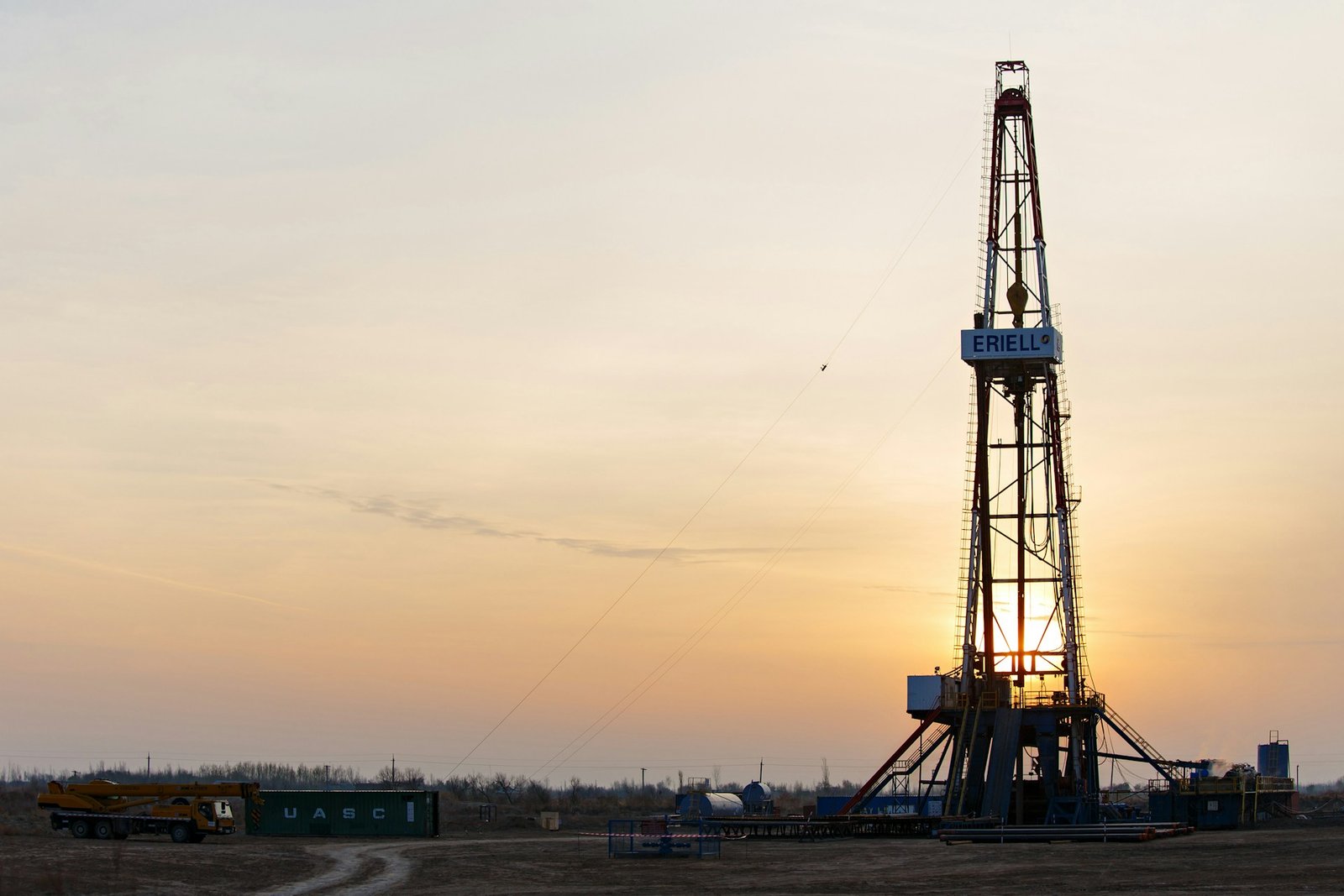

Crude oil prices climbed toward $104 a barrel on Friday, October 30, 2026, approaching their highest level since September 15, when prices reached a four-month high of $105.83.
The increase followed reports of renewed military tensions between the United States and Iran, alongside incidents involving oil tankers near the Strait of Hormuz and attacks affecting energy infrastructure in Russia.
Oil prices have gained approximately 15% in October, reflecting heightened concerns about potential disruptions to global supply.
US-Iran Tensions Influence Oil Markets
The latest increase followed reports that a senior US military commander briefed President Donald Trump on options for additional strikes against Iran.
Trump has repeatedly warned of further military action, although no new operation had been confirmed at the time of reporting.
Iranian authorities, meanwhile, indicated that Tehran would maintain its position on the conditions for ending the conflict.
The government also confirmed receiving a letter from US Vice President JD Vance intended to explore the possibility of renewed peace negotiations.
The developments come amid uncertainty over whether diplomatic efforts can reduce tensions between Washington and Tehran.
Strait of Hormuz and Russian Refinery Attacks Add to Supply Risks
Concerns about maritime security intensified following two separate incidents involving oil tankers near the Strait of Hormuz.
The waterway is a major transportation route for crude oil and petroleum products exported from the Persian Gulf, making disruptions particularly relevant to international energy markets.
Elsewhere, Ukrainian forces reportedly struck a Russian oil refinery in the Samara region, while Moscow carried out another overnight attack against Ukraine.
The developments added to concerns about the security of energy infrastructure and the continuity of petroleum shipments.
Oil prices remain sensitive to changes in geopolitical conditions, particularly those affecting major producing countries and transportation routes.
The extent of any impact on physical oil supply will depend on whether the reported incidents result in sustained disruptions to production, refining or shipping operations.