
Oil prices fell below $75 per barrel on Thursday, reaching their lowest level since early March, as investors reacted to a U.S.-Iran agreement aimed at ending a prolonged conflict that triggered one of the most significant supply disruptions in modern energy markets.
Market sentiment improved after early signs emerged that commercial shipping activity was beginning to normalize in the Strait of Hormuz, a critical maritime corridor that handles roughly one-fifth of global oil trade. Several vessels reportedly resumed transit through the waterway after weeks of disruption.
President Donald Trump announced that an interim agreement had been signed, with efforts underway to fully reopen the strategic Persian Gulf shipping route. The development has fueled expectations that major oil producers, including Saudi Arabia, the United Arab Emirates and Iraq, could gradually restore millions of barrels per day of previously curtailed production.
The prospect of additional supply entering the market has intensified downward pressure on crude prices. Oil has now declined approximately 38% since reaching a four-month high in April, reflecting a dramatic reversal in risk premiums that had been built into energy markets during the conflict.
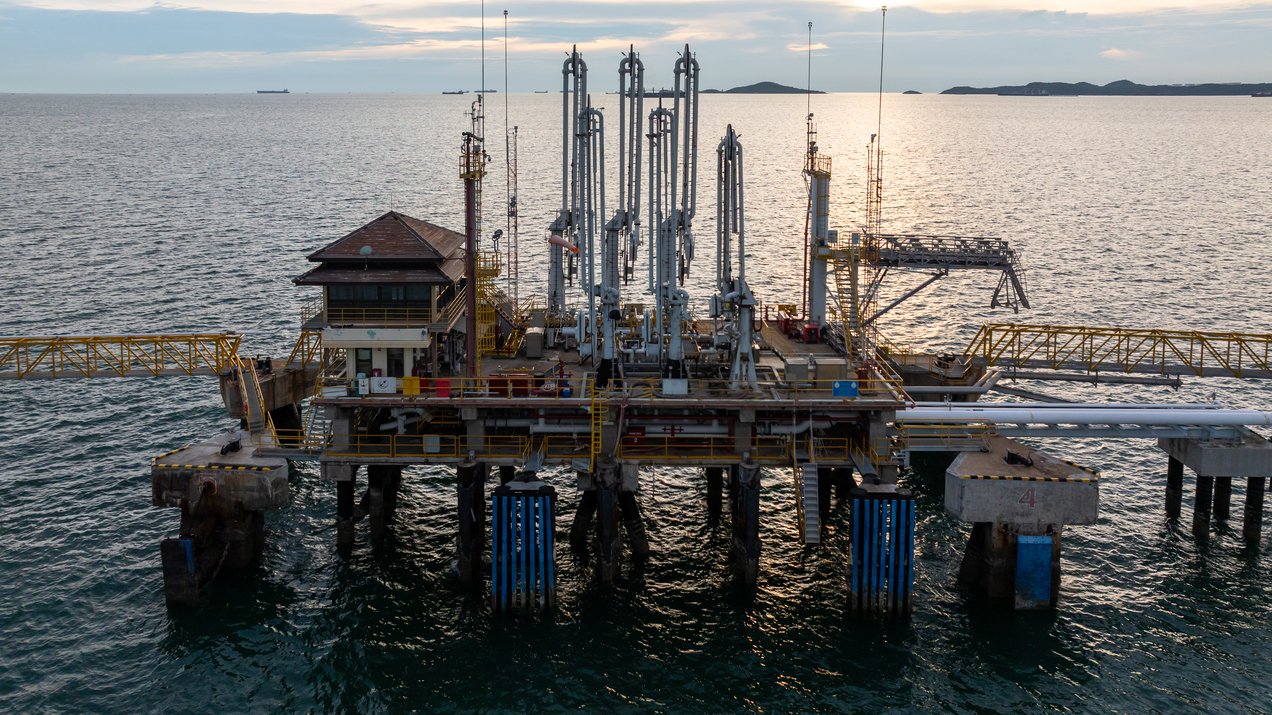
Shipping activity has also shown signs of recovery, with Saudi crude tankers and vessels transporting liquefied natural gas (LNG) and refined fuels departing Gulf terminals once again.
Despite the decline in oil prices, physical market indicators remain closely watched by traders. Crude inventories at Cushing, Oklahoma—the largest U.S. oil storage hub—have fallen to approximately 20 million barrels, near historically low levels that underscore the limited availability of readily accessible supply.
Market participants are now focused on the implementation of the U.S.-Iran agreement and the extent to which oil flows through the Strait of Hormuz normalize. The pace of production and export recovery among major Gulf producers is expected to be a key factor influencing supply balances and price movements in the weeks ahead.