
As the countdown to the FIFA World Cup 2026 accelerates, Dallas is positioning itself as one of the most attractive host cities for international visitors. With a combination of large-scale infrastructure, cultural programming, and alternative lodging options, the city is expected to draw significant global attention.
Why Dallas Stands Out
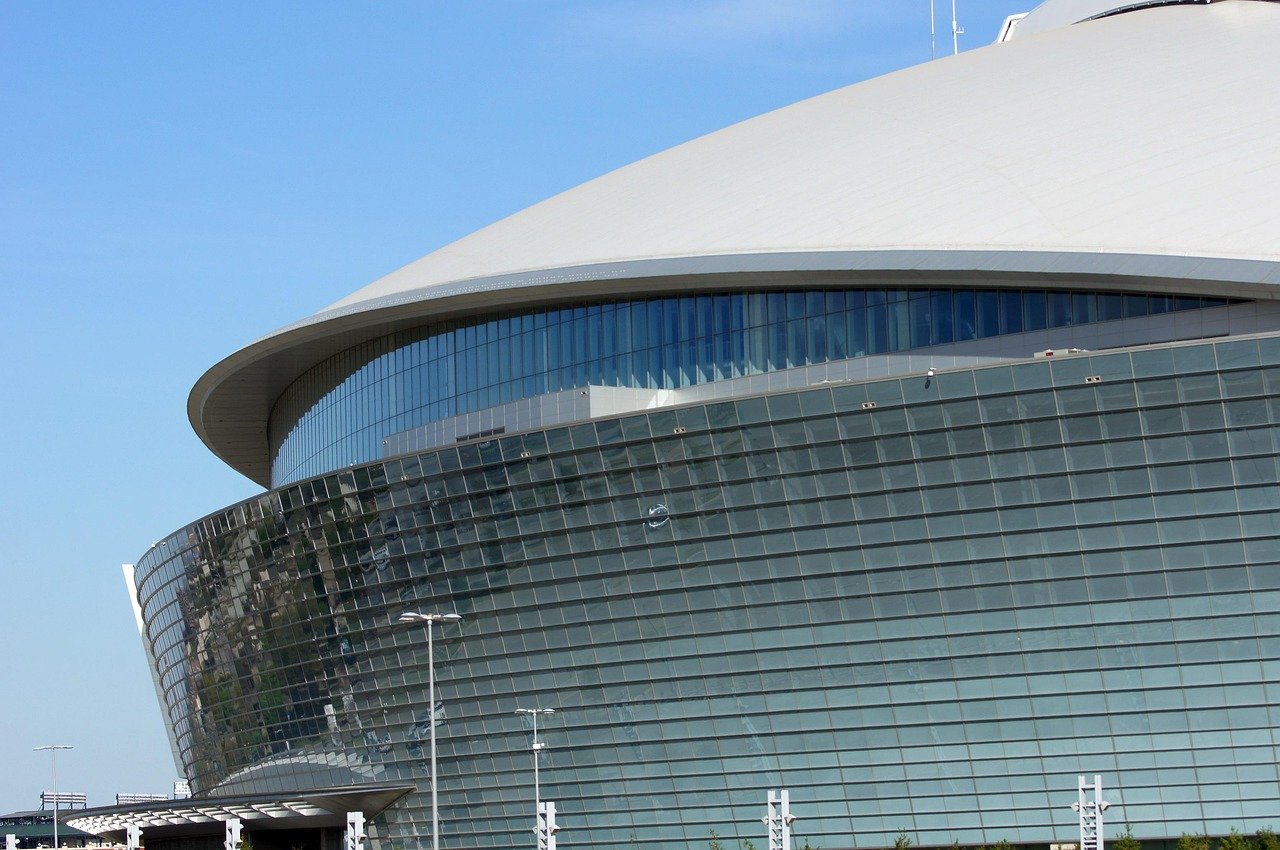
Dallas is set to host nine matches during the tournament—one of the highest allocations among U.S. cities—cementing its role as a central hub for fans traveling across North America. Beyond the stadium experience, the city is investing in large-scale fan engagement initiatives, including the highly anticipated Fair Park Fan Festival.
According to Jen Young, co-founder and CMO of Outdoorsy, Dallas offers a unique blend of accessibility, flexibility, and cost-efficiency for visitors.
A Shift Toward Alternative Accommodation
With hotel prices expected to surge during the tournament, alternative lodging solutions are gaining traction. Young highlights that RV stays can provide “flexibility and significant cost savings,” with prices potentially up to 60% lower than traditional hotels.
This model is particularly attractive for international visitors seeking:
- Flexible travel itineraries
- Lower accommodation costs
- The ability to explore multiple host cities
Dallas–Houston Corridor: A Strategic Advantage
One of Dallas’s key differentiators is its proximity to Houston, another major host city. Travelers can seamlessly combine both destinations through an RV road trip, creating a broader and more dynamic World Cup experience.
This regional connectivity positions Texas as a multi-city destination rather than a single-stop visit, an advantage few other host regions can replicate.
Mobility and Infrastructure
Transportation is expected to play a critical role in shaping the visitor experience. Dallas offers a well-developed public transit system through DART (Dallas Area Rapid Transit), alongside emerging technologies such as autonomous mobility.
The expansion of services like Waymo robotaxis reflects a broader push toward innovation in urban mobility, enhancing convenience and reducing friction for visitors navigating the city.
Beyond the Matches: Experience-Driven Travel
Dallas is not just a match destination—it is positioning itself as an experience hub. The Fair Park Fan Festival, local cultural attractions, and regional travel opportunities are expected to extend visitor stays and increase overall economic impact.
For investors and operators in hospitality, mobility, and tourism, the city represents a case study in how large-scale sporting events can catalyze infrastructure, innovation, and new consumer behaviors.