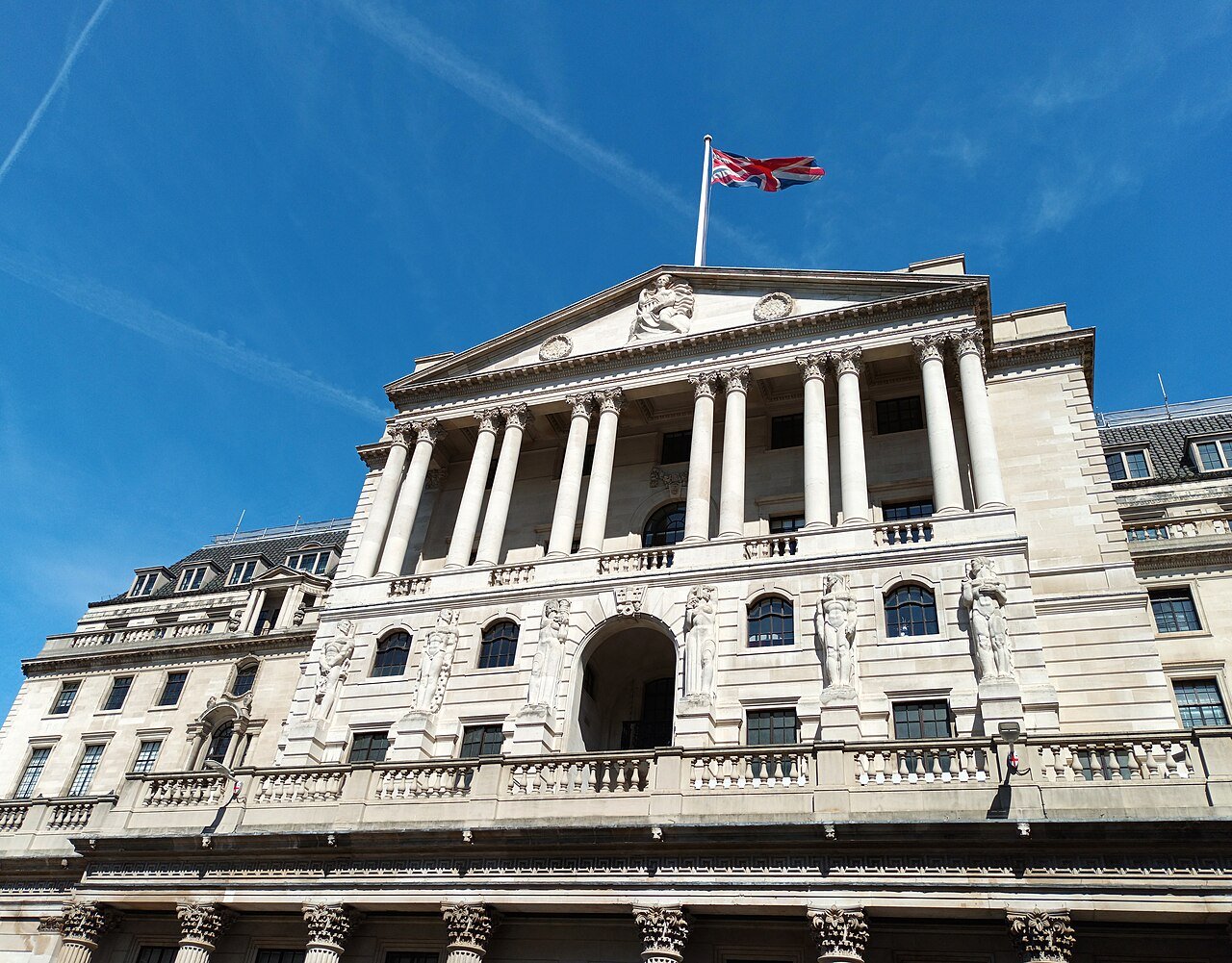

The Bank of England voted 8–1 to maintain its benchmark interest rate at 3.75% in April 2026, signaling a cautious stance as geopolitical tensions and energy price volatility complicate the inflation outlook.
One policymaker dissented, favoring an increase to 4%, while several members indicated that further rate hikes remain on the table if inflationary pressures persist.
Energy Shock Drives Uncertainty
Officials highlighted that escalating tensions in the Middle East—particularly involving Iran—have introduced significant uncertainty into global energy markets.
While monetary policy cannot directly control energy prices, the Committee emphasized its role in ensuring that any inflationary impact aligns with the Bank’s 2% target over the medium term. The outcome, policymakers noted, will depend on:
- The magnitude and duration of the energy shock
- How costs feed through into wages and pricing
- The broader transmission across the UK economy
Inflation Pressures Build
UK inflation has already accelerated, with CPI rising to 3.3%, and is expected to increase further as higher energy costs pass through to consumers and businesses.
The central bank warned of potential second-round effects, where elevated energy prices could drive sustained increases in wages and broader pricing dynamics—posing a risk to inflation stability.
Growth and Labour Market Provide Offset
Despite upward pressure on prices, policymakers pointed to moderating economic conditions that could help contain inflation:
- A loosening labour market
- Weaker economic growth
- Tighter financial conditions since the onset of geopolitical tensions
These factors are expected to dampen demand, partially offsetting inflationary risks.
Policy Outlook
The Bank of England’s decision reflects a balancing act between inflation control and economic stability, as external shocks complicate the policy path.
With energy markets volatile and geopolitical risks elevated, the central bank is likely to maintain a data-dependent approach, leaving the door open for further tightening if inflation proves more persistent than expected.