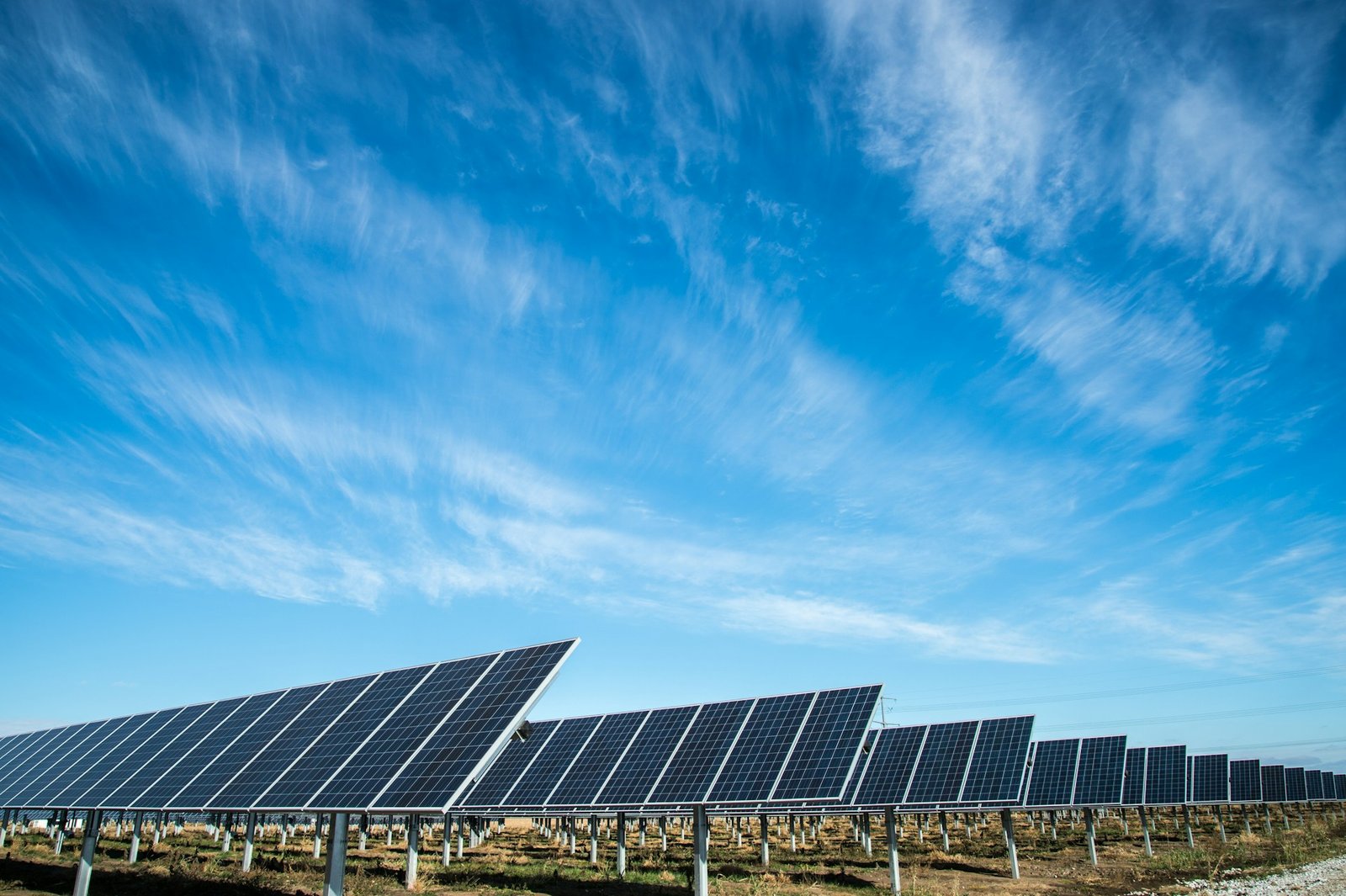

Amazon announced Tuesday, November 17, that it plans to invest an additional $7 billion in renewable energy projects in India by 2030, expanding its presence in the country’s rapidly developing clean energy sector.
The new commitment comes on top of approximately $4 billion in renewable energy investments already contracted by the US technology company, bringing its announced and existing commitments to approximately $11 billion.
The announcement comes as India accelerates investment in electricity generation and grid infrastructure to meet its target of 500 gigawatts of installed non-fossil fuel power capacity by 2030.
Amazon Announces Four New Wind and Solar Projects
Alongside the investment announcement, Amazon unveiled four renewable energy projects with a combined capacity of 934 megawatts across three Indian states.
The projects include a 234-megawatt wind farm and a 200-megawatt hybrid wind-and-solar facility in Karnataka, a 300-megawatt solar installation in Madhya Pradesh, and a 200-megawatt solar project in Rajasthan.
Indian renewable energy companies Sunsure, Waaree and ReNew will develop the projects, which have been secured through power purchase agreements.
The four developments are part of Amazon’s previously contracted $4 billion renewable energy portfolio, rather than the newly announced $7 billion commitment.
Once operational, Amazon expects its contracted renewable energy portfolio in India to exceed 2 gigawatts of capacity, equivalent to the annual electricity requirements of more than 3.5 million Indian households.
India Seeks to Expand Clean Energy Infrastructure
India is working to expand electricity generation capacity while reducing its dependence on fossil fuels.
The country’s 2030 target of 500 gigawatts of non-fossil fuel capacity includes renewable energy sources as well as other non-fossil technologies.
However, expanding generation capacity alone will not resolve the country’s energy challenges.
Transmission infrastructure, electricity storage and grid reliability remain important considerations as India integrates more solar and wind power into its energy system.
Large corporate power purchase agreements can support renewable energy developers by providing long-term demand for electricity, potentially helping projects secure financing.
Amazon Sets New Electricity Emissions Target
Amazon also announced a global goal to reduce the carbon intensity of electricity used across its operations by 65% by 2030, compared with a 2019 baseline.
The target forms part of the company’s broader commitment to reach net-zero carbon emissions across its operations by 2040.
According to Amazon, its renewable energy portfolio in India includes 14 utility-scale wind and solar projects and 43 on-site solar installations.
The company has also expanded its investments in electric transportation, water management and packaging initiatives across the country.
Investment Reflects Growing Corporate Demand for Clean Power
The investment highlights the increasing importance of energy infrastructure in the expansion strategies of multinational technology companies.
As electricity demand grows across digital commerce, logistics, cloud computing and other technology-intensive activities, access to reliable energy is becoming an important consideration for long-term business planning.
Amazon’s latest commitment could create additional opportunities for Indian renewable energy developers and infrastructure investors, although the company has not disclosed a detailed allocation of the proposed $7 billion investment.
The announcement also reinforces India’s position as a major destination for international investment in clean energy infrastructure.
Sources: Reuters, Amazon corporate statements, Press Trust of India and Associated Press | November 17, 2026.