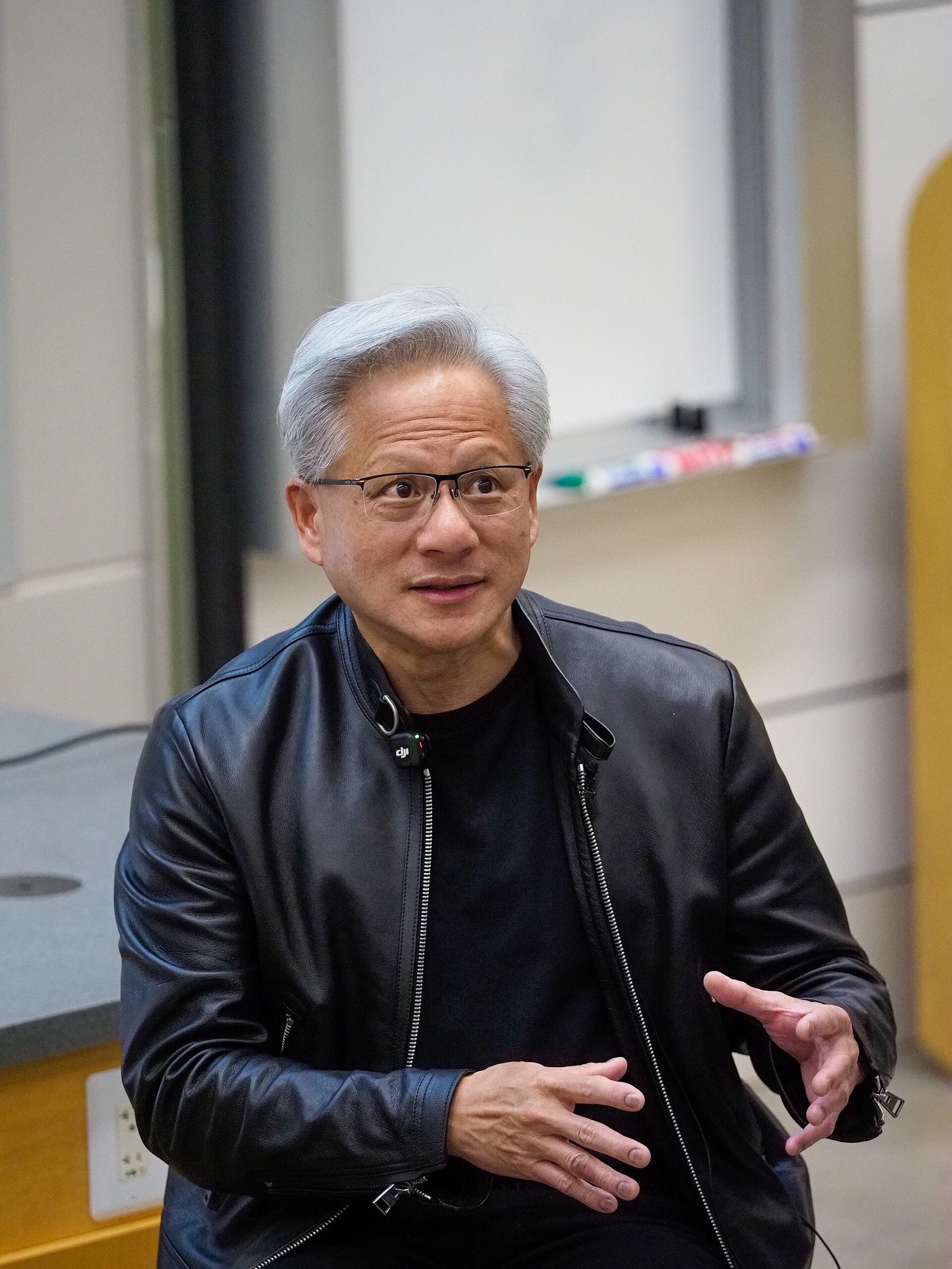

Former Nvidia CEO Jensen Huang is considering a return to the semiconductor company he co-founded, as influential Silicon Valley executives and investors push for his reinstatement following his resignation last week.
According to the Financial Times, Huang has discussed the possibility of returning with close associates. One supporter said a group of technology executives was organizing a coordinated campaign to lobby Nvidia’s board and seek support from the White House.
Nvidia has not publicly confirmed plans to reinstate Huang.
The leadership uncertainty comes as Nvidia prepares to report quarterly earnings and faces growing political pressure over its business relationships involving China.
Silicon Valley Executives Back Huang’s Return
A public campaign calling for Huang’s reinstatement has attracted significant support from technology executives, investors and Nvidia employees.
An online petition had collected more than 150,000 signatures by Sunday, including support from Tesla CEO Elon Musk, Epic Games CEO Tim Sweeney and Y Combinator President Garry Tan.
Major Nvidia shareholders, including investors associated with Altimeter Capital and Atreides Management, have also encouraged the company’s board to consider Huang’s return as part of its leadership review.
Supporters argue that Huang’s experience, industry relationships and role in building Nvidia’s artificial intelligence business remain important to the company’s long-term strategy.
However, the decision ultimately rests with Nvidia’s board of directors.
US Treasury Secretary Calls for Outside Leadership
The campaign faces opposition from senior officials in Washington.
US Treasury Secretary Scott Bessent said during a Fox News interview on Sunday that Nvidia should appoint a chief executive from outside the company, calling for a major leadership overhaul.
Bessent also raised questions about whether Nvidia had adequately enforced US export restrictions involving advanced semiconductor sales to China.
He requested answers from the company and its external legal advisers within approximately 10 days regarding potentially improper chip transactions.
The concerns arise amid an independent investigation involving Huang’s reported personal relationships and allegations concerning possible Chinese intelligence connections.
No public finding has established that Huang knowingly participated in espionage or violated US export-control laws.
Nvidia’s AI Financing Strategy Faces Changes
Beyond the leadership dispute, Nvidia is reportedly reconsidering its extensive financial support for artificial intelligence infrastructure companies.
According to industry reports, Huang had already discussed reducing aggressive financing arrangements and requiring some cloud infrastructure providers to make upfront payments for advanced processors.
The potential changes could affect emerging AI infrastructure companies, particularly businesses that depend on external financing to purchase Nvidia chips.
Data from PitchBook cited in industry reporting indicates that Nvidia participated in 129 venture capital transactions through November 10, compared with 49 deals in 2023.
The increase illustrates Nvidia’s expanding role not only as a semiconductor supplier but also as a financial backer of the artificial intelligence ecosystem.
A reduction in these investments could have consequences for startups, data center operators and investors financing the sector’s expansion.
Colette Kress Remains Interim CEO
Colette Kress, Nvidia’s longtime chief financial officer, continues to serve as interim chief executive following Huang’s departure.
The company’s board is evaluating its leadership options. The Financial Times previously reported that directors had approached Arm Holdings CEO Rene Haas as a potential successor.
No permanent appointment has been announced.
Nvidia shares were indicated approximately 2% lower in Monday’s premarket trading, reflecting continued uncertainty surrounding the company’s leadership and strategic direction.
The company is also preparing to release its quarterly financial results, which investors will examine for indications of future demand for AI processors and changes in capital allocation.
For now, Huang’s potential return remains uncertain, with supporters in Silicon Valley advocating his reinstatement while senior US policymakers call for a different direction.