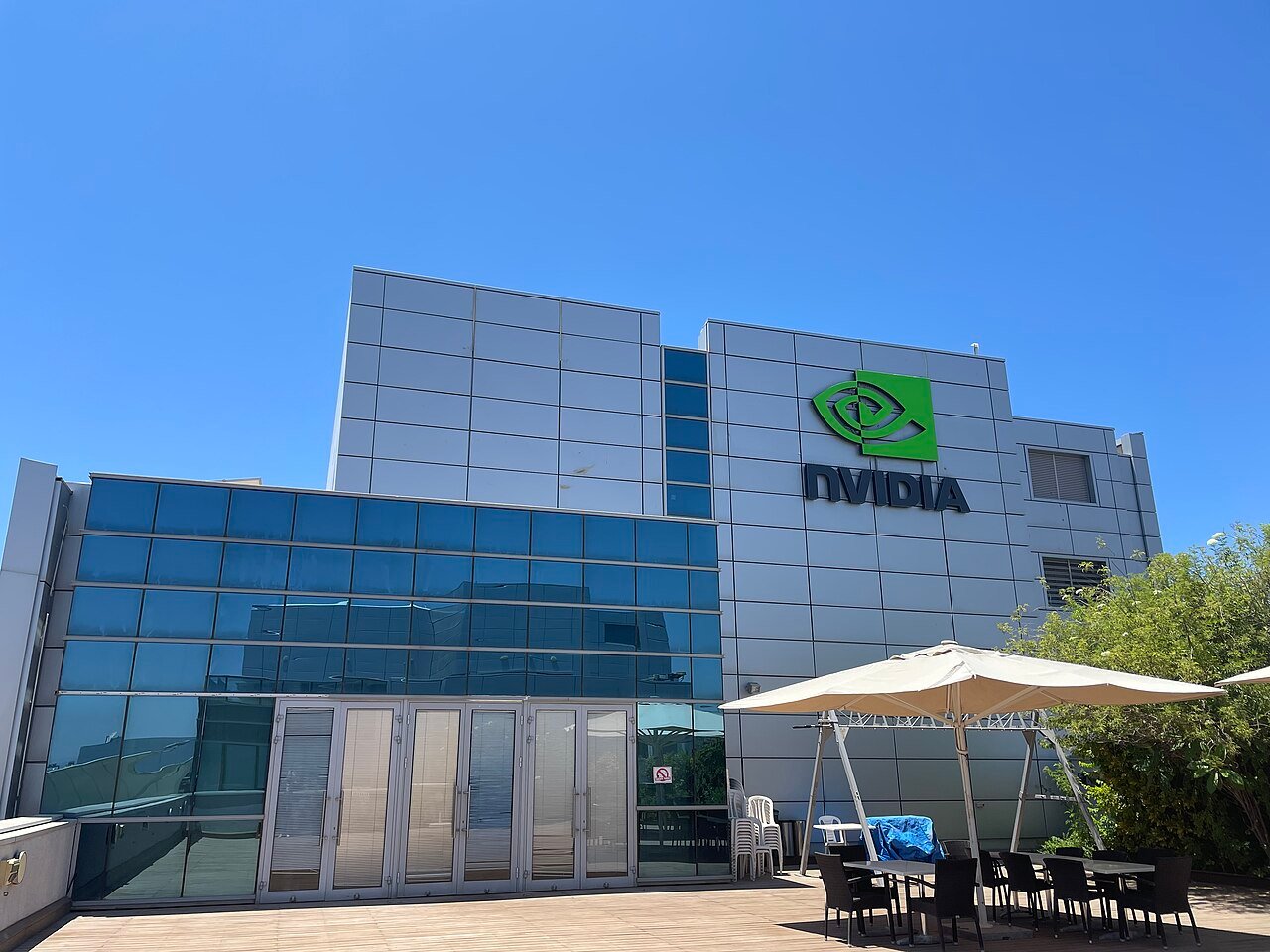

Nvidia shares plunged 14% on Friday, extending their weekly losing streak to seven consecutive weeks, the longest since 2008, as the semiconductor company faces a leadership transition, regulatory investigations and renewed questions about its business relationships in China.
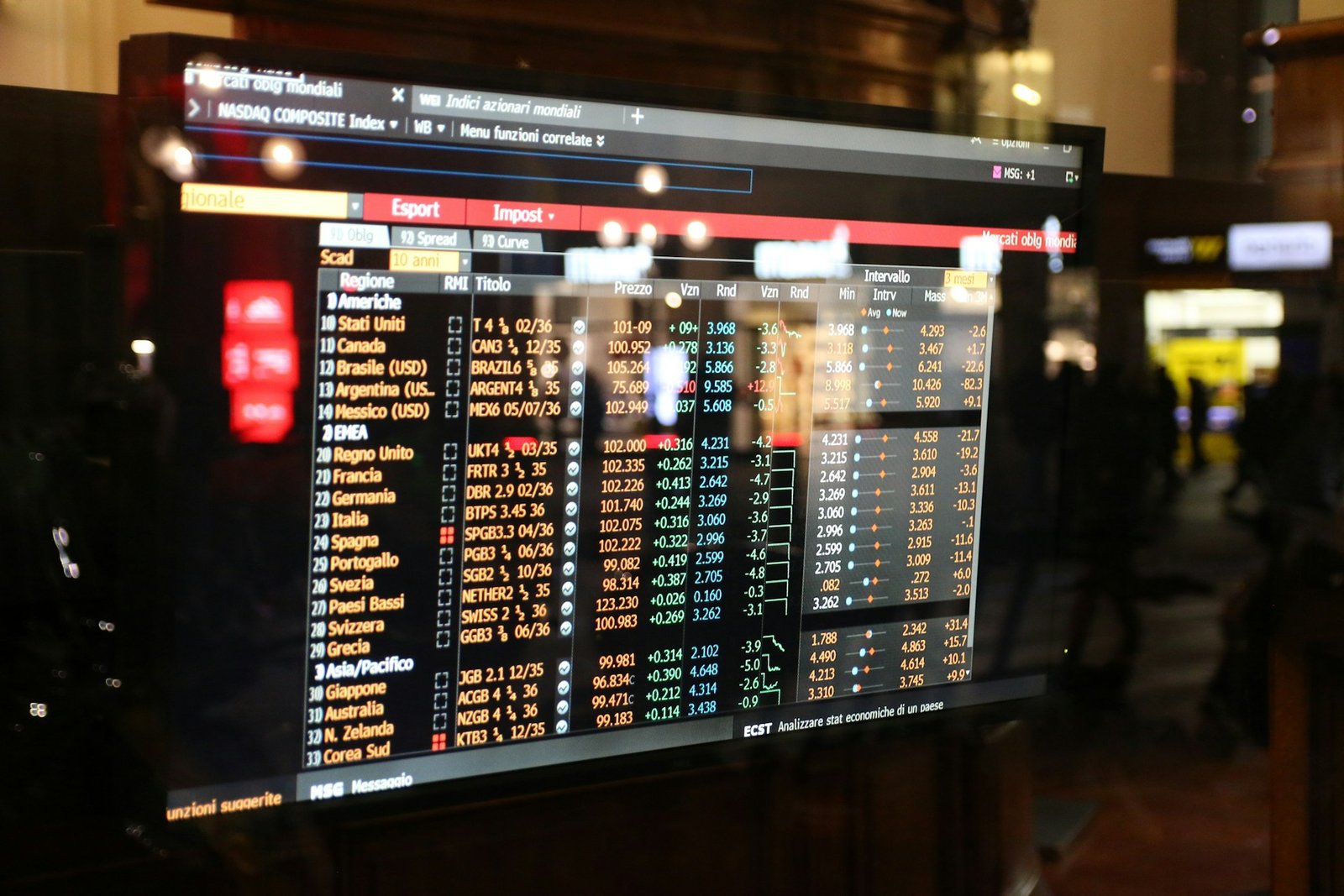
The stock closed at approximately $125.53 on November 20, bringing its weekly decline to nearly 23%. Shares have fallen about 48% from their October peak, reducing Nvidia’s market capitalization to approximately $3 trillion.
Once the world’s most valuable publicly traded company, Nvidia has dropped to fourth place in global market capitalization rankings.
The decline comes despite stronger-than-expected quarterly financial results and an increased revenue forecast, as developments involving the company’s former chief executive add to broader concerns surrounding artificial intelligence infrastructure spending.
Trump Calls for Jensen Huang’s Return
President Donald Trump publicly urged Nvidia’s board to reinstate co-founder Jensen Huang, who resigned as president and chief executive officer earlier this month.
In a Truth Social post on Sunday, November 22, Trump said he hoped the board would rehire Huang, describing his return as beneficial to the company and the United States.
Nvidia announced Huang’s resignation on November 12, appointing Chief Financial Officer Colette Kress as interim chief executive while launching a search for a permanent replacement.
Harvey Jones, who became chairman following Huang’s departure, said on November 17 that the board had unanimously accepted the resignation and did not intend to reinstate him.
Huang subsequently expressed willingness to return if the board reconsidered its decision.
The leadership transition follows disclosures concerning Huang’s personal relationships, including one involving Chinese businesswoman Alice Huang, whose former company is under investigation over possible violations of US semiconductor export restrictions.
US Authorities Examine Nvidia’s China-Related Business
The controversy has expanded to include questions about the distribution of advanced artificial intelligence processors to China.
According to Reuters, US authorities have been investigating Singapore-based Megaspeed International over concerns that restricted Nvidia chips may have been diverted to Chinese customers.
Alice Huang, a former senior executive associated with Megaspeed, has also been the subject of intelligence-related allegations reported by US media.
The New York Times reported that she maintained contact with an official connected to China’s Ministry of State Security during 2025 and 2026.
US officials have not publicly concluded that Alice Huang conducted espionage on behalf of China.
Megaspeed has denied wrongdoing.
Separately, the Wall Street Journal reported that the US Securities and Exchange Commission was examining possible accounting issues involving Nvidia.
A regulatory investigation does not establish that the company or its executives violated securities laws.
Treasury Secretary Seeks Answers on Chip Exports
US Treasury Secretary Scott Bessent has called for further information about Nvidia’s role in the distribution of advanced semiconductors subject to American export restrictions.
Speaking on CBS’s Face the Nation on November 22, Bessent said the administration needed answers regarding the company’s compliance with restrictions governing access to AI processors.
The controversy has also prompted questions from congressional lawmakers about semiconductor export enforcement and the relationship between US technology companies and foreign customers.
Nvidia has established a board committee dedicated to national security and export-control oversight.
The committee is chaired by director Suzanne Nora Johnson, a former Goldman Sachs vice chair.
Huang is scheduled to answer questions from US House committee leaders in a closed-door session on December 1. Additional congressional testimony is also being arranged.
Strong Earnings Fail to Reverse Share Decline
Nvidia’s leadership crisis has unfolded alongside substantial growth in its core business.
The company recently reported quarterly revenue above Wall Street expectations for the 17th consecutive quarter and issued a fourth-quarter revenue forecast of approximately $130 billion.
Its financial performance reflects continued spending on advanced processors and infrastructure used to develop and operate artificial intelligence systems.
However, the company’s shares have declined amid broader weakness across AI-related stocks, concerns about data center financing and questions surrounding the sustainability of infrastructure investment.
The sell-off has also affected companies linked to Nvidia’s supply chain and the wider semiconductor industry.
Board Continues Search for Permanent CEO
Nvidia’s board has maintained its position against reinstating Huang, despite public support for his return from Trump, technology executives and shareholders.
Huang remains a significant Nvidia shareholder, holding approximately 3.5% of the company.
Colette Kress continues to serve as interim chief executive while retaining her responsibilities as chief financial officer.
The company has not announced a timetable for selecting a permanent successor.
Its leadership transition, the ongoing investigations and congressional inquiries remain unresolved as Nvidia enters the final weeks of 2026.
Sources: Nvidia corporate announcement and SEC Form 8-K; Reuters; MarketWatch; The Washington Post; CBS News; November 12–23, 2026.