Crude oil rose more than 3% to around US$74 per barrel on Monday after the United States launched another round of strikes against Iran, intensifying concerns over potential disruptions to energy supplies from the Middle East.
The latest escalation renewed uncertainty over the security of the Strait of Hormuz, one of the world’s most strategically important shipping routes for crude oil and liquefied natural gas.
The United States and Iran offered conflicting accounts regarding the status of the waterway. Iranian authorities said the Strait of Hormuz had been closed until further notice, while Western naval forces maintained that the passage remained open to commercial shipping.
Iran also said diplomatic efforts to reduce tensions were continuing but acknowledged that the interim peace agreement had entered a critical phase.
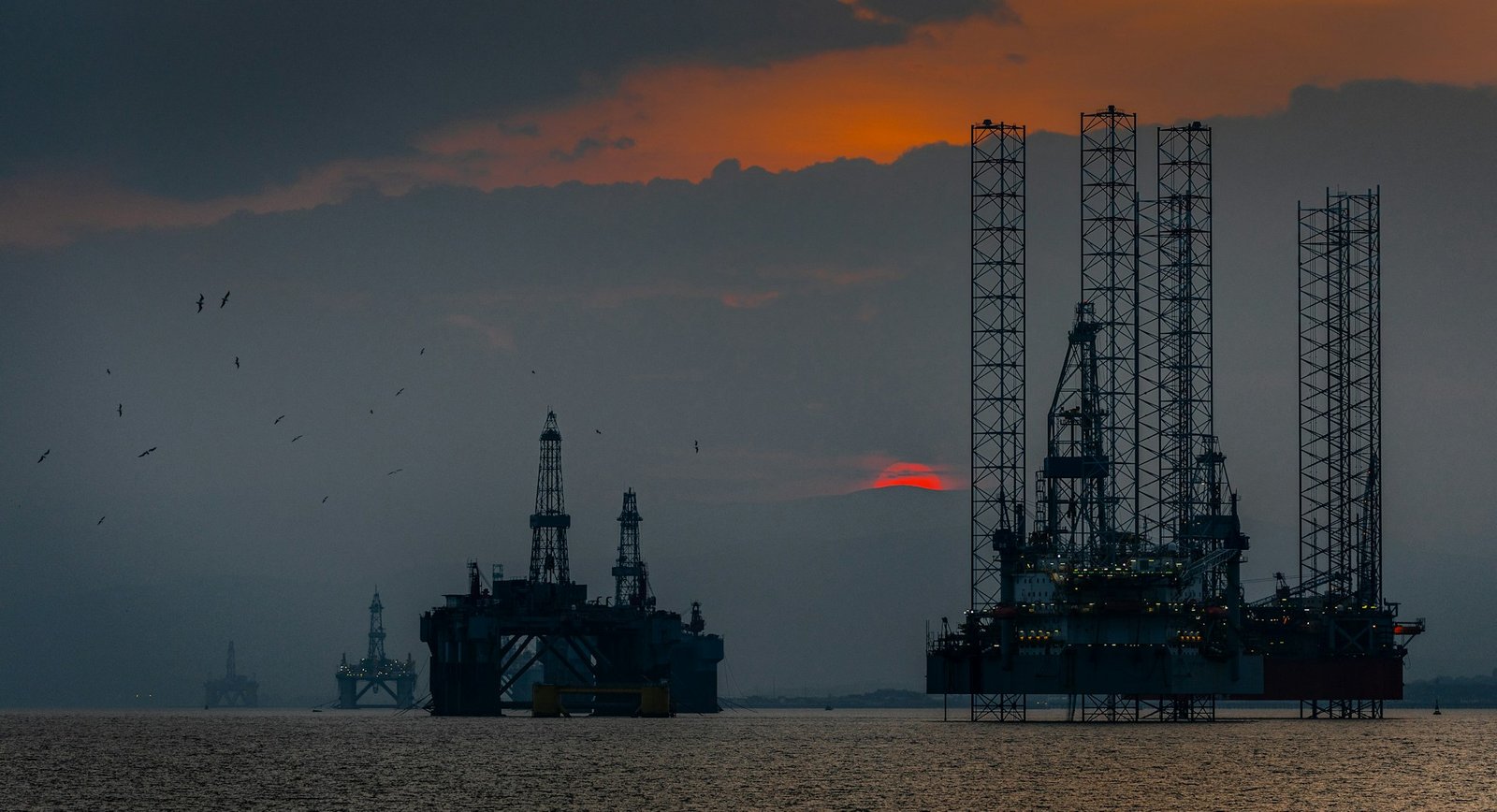
The conflict expanded beyond direct exchanges between Washington and Tehran, with Iran launching attacks against U.S. allies in the region. Kuwait also reported damage to an offshore drilling platform, marking the first direct strike on energy infrastructure in several weeks.
Maritime activity through the Strait of Hormuz remained below typical levels. While vessel traffic appeared subdued, some tankers were believed to have continued transiting the waterway without broadcasting satellite tracking signals.
The Joint Maritime Information Center said the shipping corridor through Omani waters remained operational, despite the heightened security environment.
The Strait of Hormuz handles a significant share of the world’s seaborne crude oil exports, making any disruption to navigation closely watched by global energy markets. The latest developments add to concerns over supply stability as geopolitical tensions continue to weigh on commodity markets.