
Iran announced that it has closed the Strait of Hormuz, one of the world’s most important energy transit routes, after renewed fighting erupted in Lebanon despite a ceasefire agreement reached, according to the Wall Street Journal.
Iranian security officials said the decision was taken after what Tehran described as a failure by the United States to ensure compliance with commitments outlined in the memorandum of understanding signed earlier this week by U.S. President Donald Trump and regional stakeholders aimed at reducing hostilities in the Middle East.
The announcement from Iran’s joint military command came as clashes between Israel and Hezbollah resumed across parts of southern Lebanon, raising concerns that recent diplomatic efforts to stabilize the region may be unraveling.
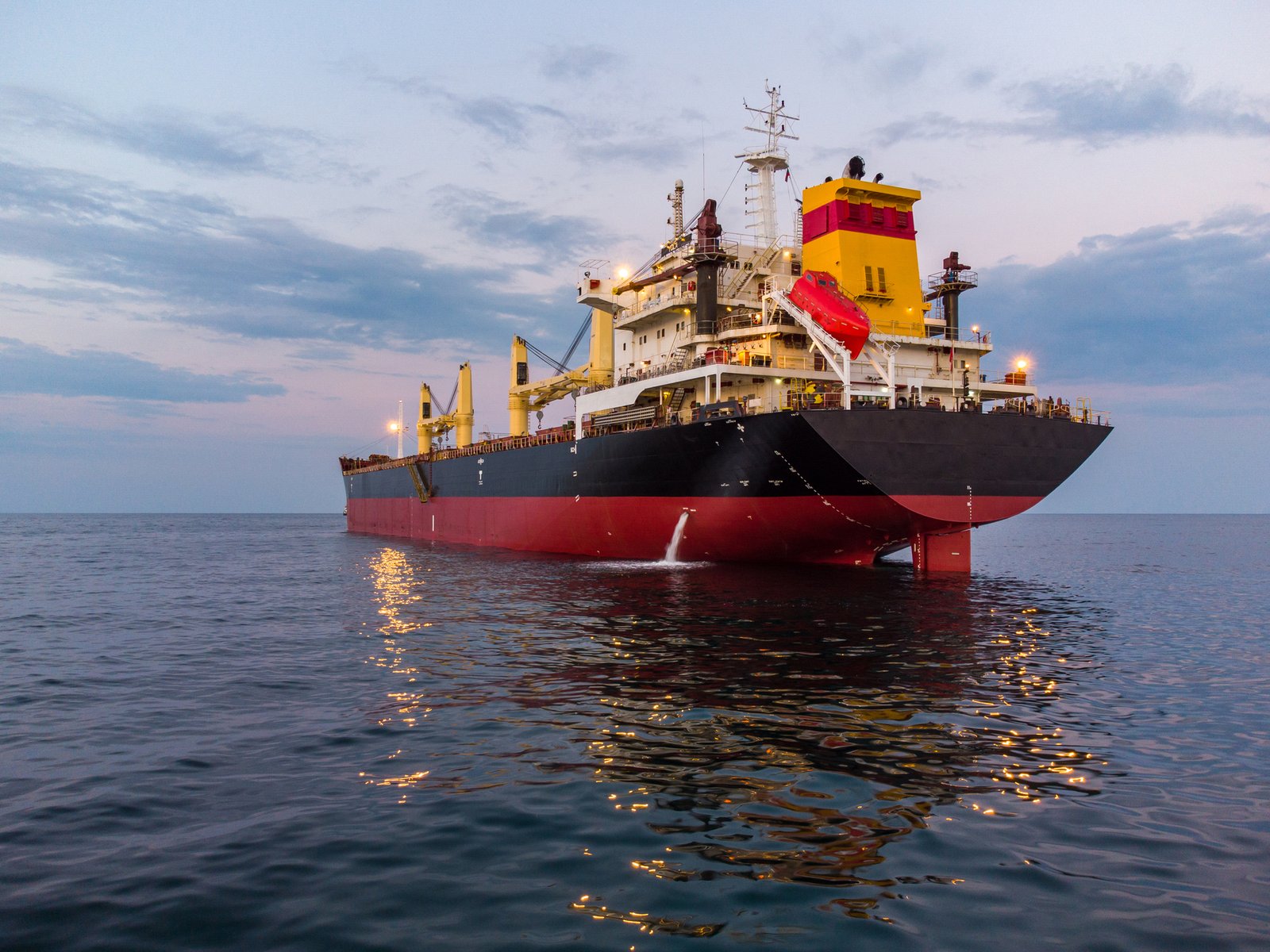
The renewed violence represents a significant setback for the broader framework that had sought to ease regional tensions and create conditions for the reopening and secure operation of the Strait of Hormuz. The waterway is a critical maritime corridor connecting the Persian Gulf to global markets and serves as a transit route for a substantial share of the world’s crude oil and liquefied natural gas exports.
According to The Independent, Iran’s Khatam al-Anbiya Central Headquarters, the country’s main joint military command, said earlier on Saturday that the closure of the Strait of Hormuz represented the “first step” in response to what it described as violations of previously agreed commitments.
The command warned that additional measures could follow if what it called “aggression” continued. Earlier on Saturday, 16 people were reported killed in Israeli strikes in Lebanon, according to the publication.
U.S. Vice President JD Vance, however, said there was no evidence at this stage that Iran had physically closed the strategic waterway, through which roughly one-fifth of the world’s oil supply typically passes.
U.S. Central Command spokesperson Navy Captain Tim Hawkins said American forces were “monitoring the situation” to ensure that commercial and international shipping traffic could continue to transit the waterway safely.