
WTI crude futures surged more than 6% on Monday, climbing toward $89 per barrel and reversing losses from the previous session, as geopolitical tensions reignited in the Middle East and disrupted market sentiment.
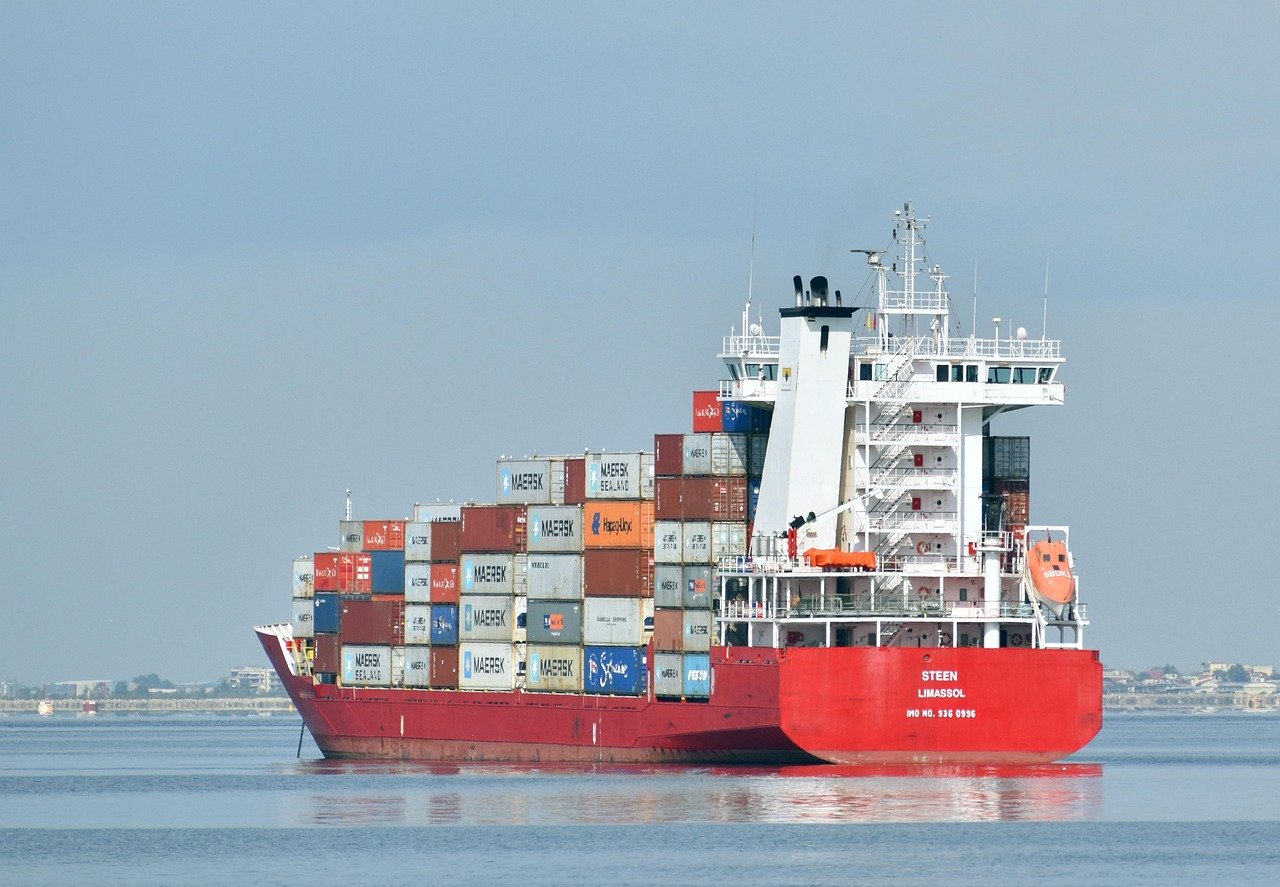
The rally followed remarks from Donald Trump, who said the U.S. Navy fired on and seized an Iranian-flagged cargo vessel in the Gulf of Oman after it failed to comply with orders while exiting the Strait of Hormuz. The incident marks a sharp escalation in maritime tensions along one of the world’s most critical energy corridors.
Tehran responded by targeting vessels and reasserting control over the Strait, arguing that U.S. actions against Iran-linked shipping violated the terms of a fragile ceasefire agreement. The renewed confrontation has effectively stalled momentum that had been building toward a potential diplomatic breakthrough late last week.
Despite the escalation, President Trump indicated that U.S. negotiators are set to travel to Pakistan for another round of talks, signaling that diplomatic channels remain open even as military risks intensify.
Energy Markets React to Supply Shock Risks
The Strait of Hormuz, through which roughly one-fifth of global oil supply flows, remains highly sensitive to geopolitical disruptions. Any threat to transit routes immediately reverberates across global energy markets, amplifying volatility and risk premiums.
Monday’s price surge reflects mounting concerns over a prolonged supply shock, with traders pricing in the possibility of sustained disruptions to crude flows. The situation has revived fears of a broader energy crisis reminiscent of past geopolitical conflicts in the region.
Inflation and Global Growth Concerns Intensify
The spike in oil prices is expected to feed directly into inflationary pressures, particularly in energy-importing economies already grappling with elevated costs. Analysts warn that a sustained rally in crude could complicate central bank policy paths and delay monetary easing cycles.
At the same time, the risk of a prolonged conflict raises concerns about global economic growth. Higher energy costs, coupled with geopolitical uncertainty, could dampen industrial activity and consumer demand, increasing the likelihood of a synchronized slowdown across major economies.
Outlook: Volatility Likely to Persist
With diplomatic negotiations ongoing but tensions escalating on the ground, oil markets are likely to remain highly reactive to headlines in the coming days. Any further disruptions in the Strait of Hormuz or escalation between the U.S. and Iran could push prices even higher, reinforcing the fragile balance between geopolitical risk and economic stability.