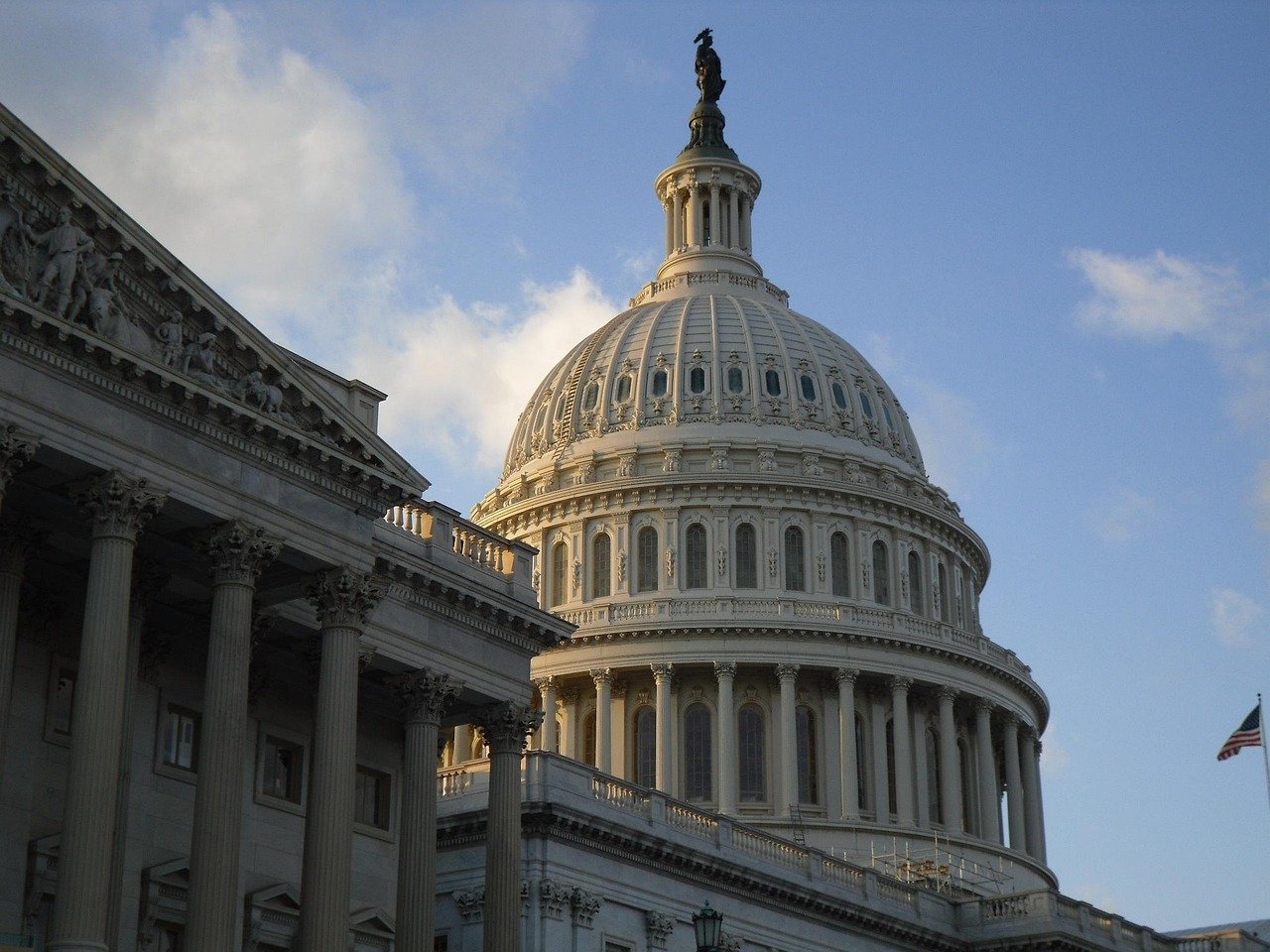

A U.S. delegation led by Vice President JD Vance is expected to arrive in Islamabad this week for a new round of negotiations with Iran, as diplomatic efforts intensify against the backdrop of escalating geopolitical tensions in the Middle East.
According to CNN, the delegation is scheduled to depart Washington, D.C., on Tuesday and land in Pakistan’s capital on Wednesday. The timeline follows earlier reports from the New York Post suggesting an imminent arrival, though CNN noted that Vance had not yet departed at the time of reporting.
Trump Signals Openness to Direct Talks
President Donald Trump indicated he would be willing to meet directly with senior Iranian leaders if negotiations progress. In comments reported by the New York Post, Trump suggested cautious optimism around the talks.
“We were supposed to have the conversations… I would assume at this point nobody is playing games,” Trump said in a brief interview, signaling expectations for substantive engagement.
He also told Maria Bartiromo of Fox Business that a potential agreement with Iran could be reached “as soon as tonight,” underscoring the urgency and fluidity of the negotiations.
Conflicting Signals from Tehran
Despite Washington’s push to continue dialogue, Iran has publicly resisted further engagement. State media in Tehran indicated that Iranian officials would not participate in a second round of talks, citing what they described as “excessive and unrealistic” demands from the United States.
The divergence highlights the fragile nature of current diplomatic efforts, with both sides maintaining sharply different expectations even as negotiations remain technically open.
Strait of Hormuz at the Center of Market Focus
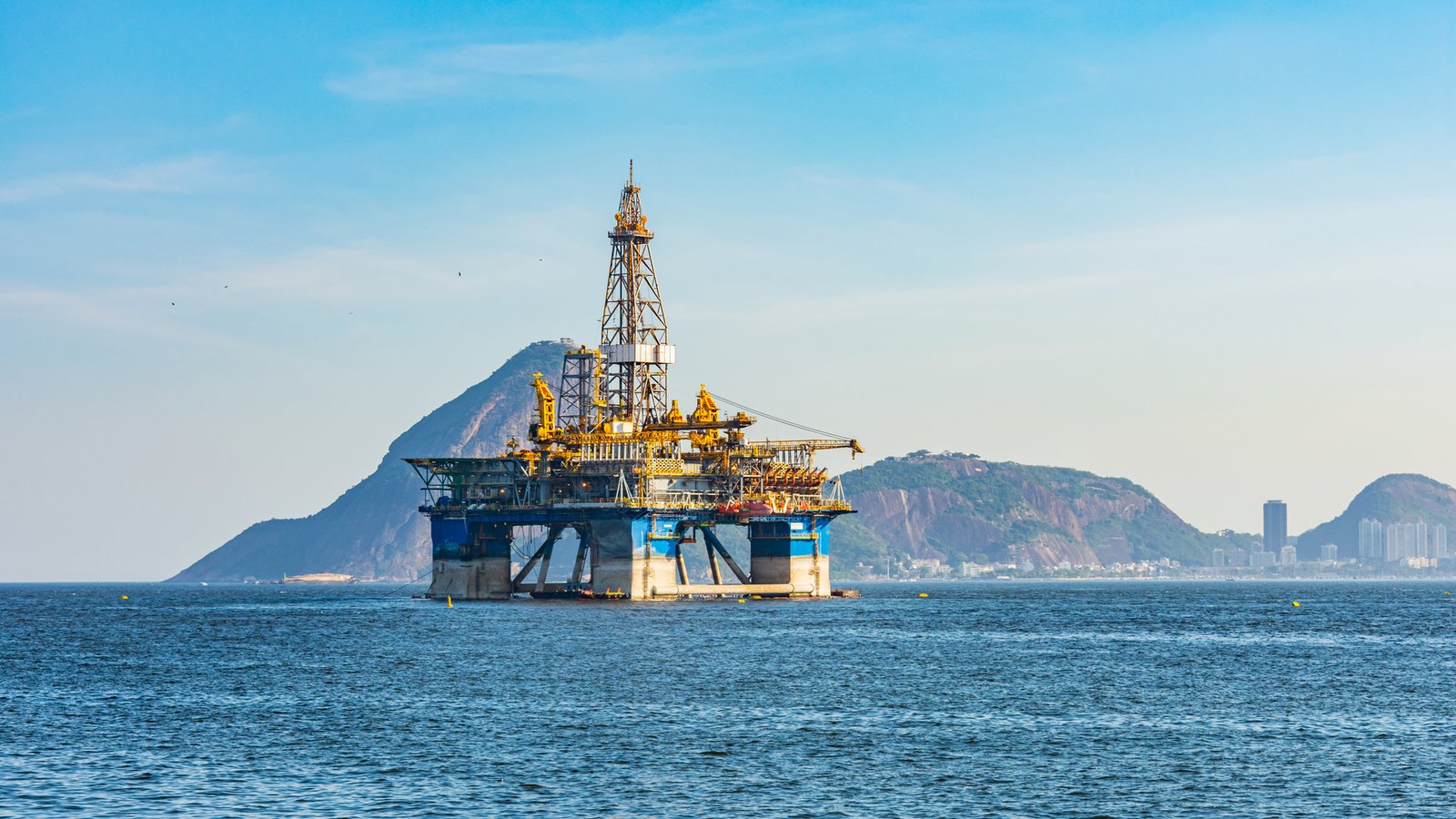
The diplomatic uncertainty comes amid heightened investor scrutiny over disruptions in the Strait of Hormuz, a critical route for global oil shipments.
President Trump stated that the U.S. had effectively closed the Strait on Sunday as part of an ongoing naval blockade targeting Iran-linked vessels. Any sustained disruption in this corridor—through which roughly 20% of global oil supply passes—has immediate implications for energy markets and global inflation.
Geopolitical Risk and Market Implications
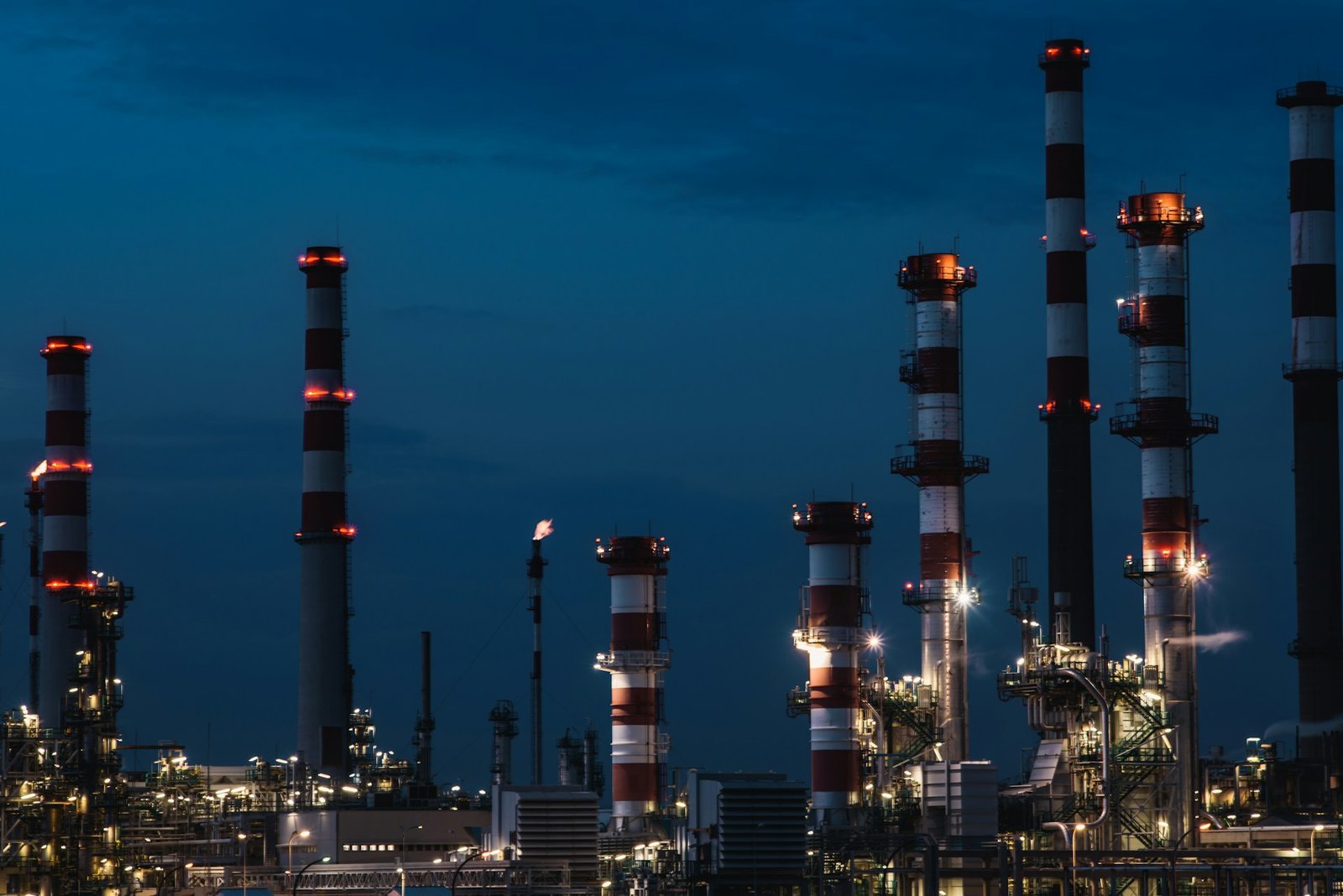
The evolving situation has added volatility across global markets, particularly in energy, as traders assess the likelihood of prolonged supply constraints. A breakdown in negotiations or further escalation between Washington and Tehran could amplify risks to regional stability and global economic growth.
When asked about potential escalation if talks fail, Trump declined to provide specifics but hinted at a forceful response: “You can imagine. It wouldn’t be pretty.”
Outlook: High-Stakes Diplomacy Ahead
With U.S. negotiators en route and Iran signaling resistance, the coming days are likely to be pivotal for both diplomatic outcomes and market direction. Investors and policymakers alike are closely watching whether talks in Pakistan can stabilize tensions—or whether the standoff will deepen, with broader consequences for energy security and global markets.