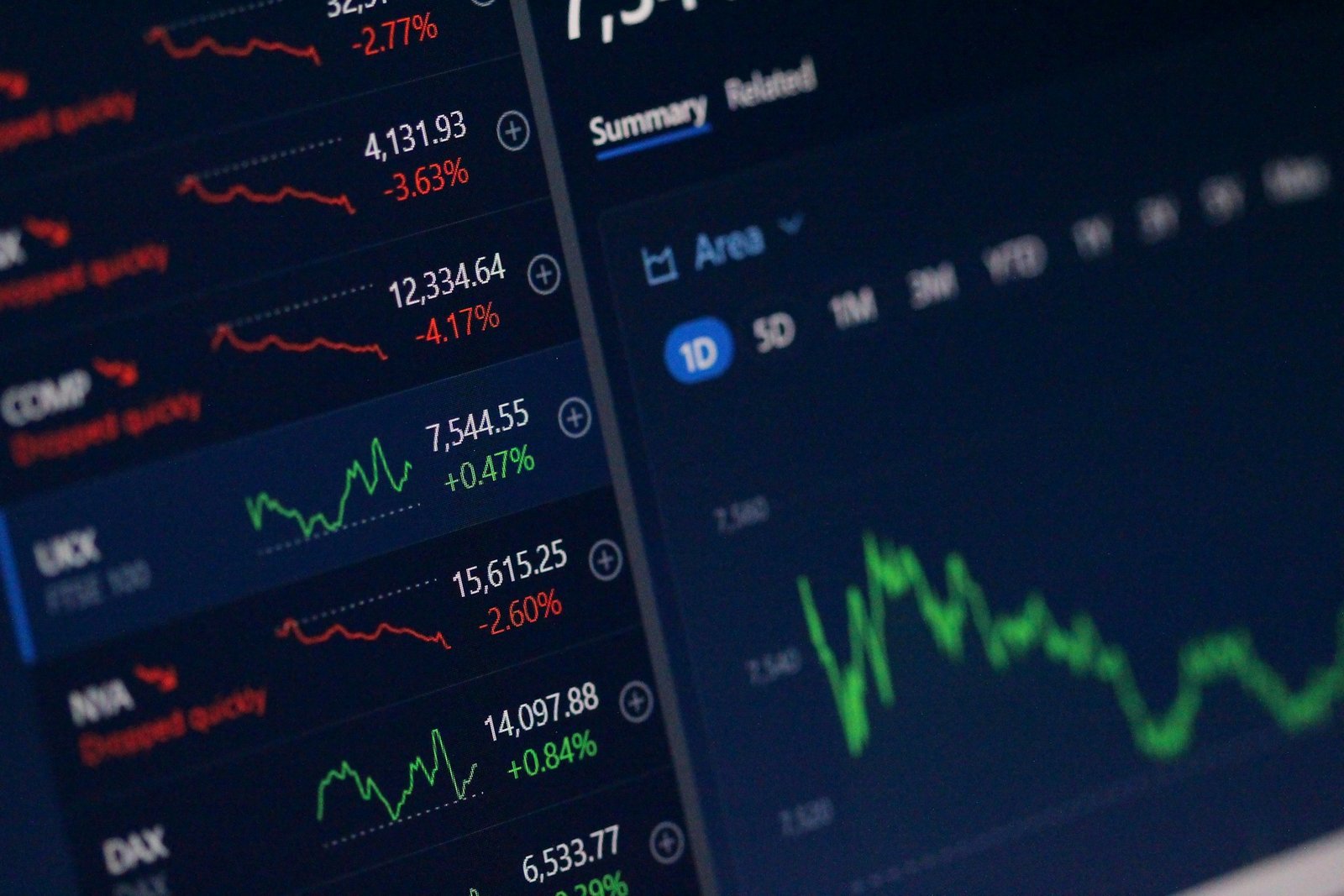

U.S. stock futures edged lower Tuesday, extending the previous session’s pullback as Treasury yields climbed to multi-year highs and elevated oil prices reinforced inflation concerns ahead of the Federal Reserve’s policy decision.
At 8:32 a.m. ET, Dow e-mini futures were down 0.27%, S&P 500 futures fell 0.16% and Nasdaq 100 futures declined 0.13%, according to Reuters. The benchmark 10-year Treasury yield remained above 5%, its highest level since 2007.
The combination of higher bond yields and crude prices is adding pressure to equities as investors reassess borrowing costs and the outlook for monetary policy. Brent crude traded around $106 a barrel, while U.S. West Texas Intermediate remained above $102 as Middle East supply disruptions continued to support energy prices.
Fed Rate Decision in Focus
Markets are preparing for a widely anticipated Federal Reserve rate increase on Wednesday. Interest-rate futures were pricing a 92.5% probability of a 25-basis-point hike, while 85% of economists surveyed by Reuters also expected the central bank to raise its benchmark rate to 3.75%-4.00%.
The decision would mark the Fed’s first rate increase since July 2023.
Recent inflation data and higher energy prices have shifted expectations toward tighter monetary policy. U.S. consumer prices accelerated in August, with gasoline costs contributing significantly to the monthly increase.
Investors will also focus on signals from policymakers about whether additional increases could follow.
Higher Yields Put Pressure on AI Companies
Technology stocks remained particularly exposed to the changing rate environment.
Alphabet and Microsoft fell about 1% in premarket trading Tuesday. Higher borrowing costs are becoming increasingly relevant for the AI sector as technology companies commit large amounts of capital to data centers, computing infrastructure and other investments needed to expand artificial-intelligence capacity.
Heavy corporate debt issuance associated with record AI-related investment has itself contributed to pressure in the bond market by increasing the supply of securities competing for investor capital. Reuters reported Monday that this additional issuance was among the factors pushing Treasury yields higher.
The dynamic creates a two-sided challenge for AI-related companies: higher yields increase financing costs while also making government bonds relatively more attractive compared with equities.
Chipmakers Stabilize After AI Selloff
Semiconductor stocks showed signs of stabilizing after suffering some of the steepest losses during Monday’s global technology selloff.
Nvidia rose about 0.7% in premarket trading Tuesday, while chipmakers broadly traded in a narrow range, according to Reuters.
Monday’s decline followed calls from leading AI executives, including Anthropic CEO Dario Amodei, for a slower pace of frontier AI development over safety concerns. The Nasdaq fell 0.8% Monday, while semiconductor companies bore much of the selling pressure.
The debate has introduced another variable into valuations across the AI supply chain. A slower pace of frontier-model development could potentially affect expectations for future spending on chips and computing infrastructure, although there is currently little clarity about whether the proposals will translate into an industry-wide slowdown.
Tuesday’s early trading therefore reflected two competing forces across technology: chip stocks attempting to recover from Monday’s sharp decline while higher Treasury yields increased pressure on large technology companies facing substantial AI-related capital requirements.