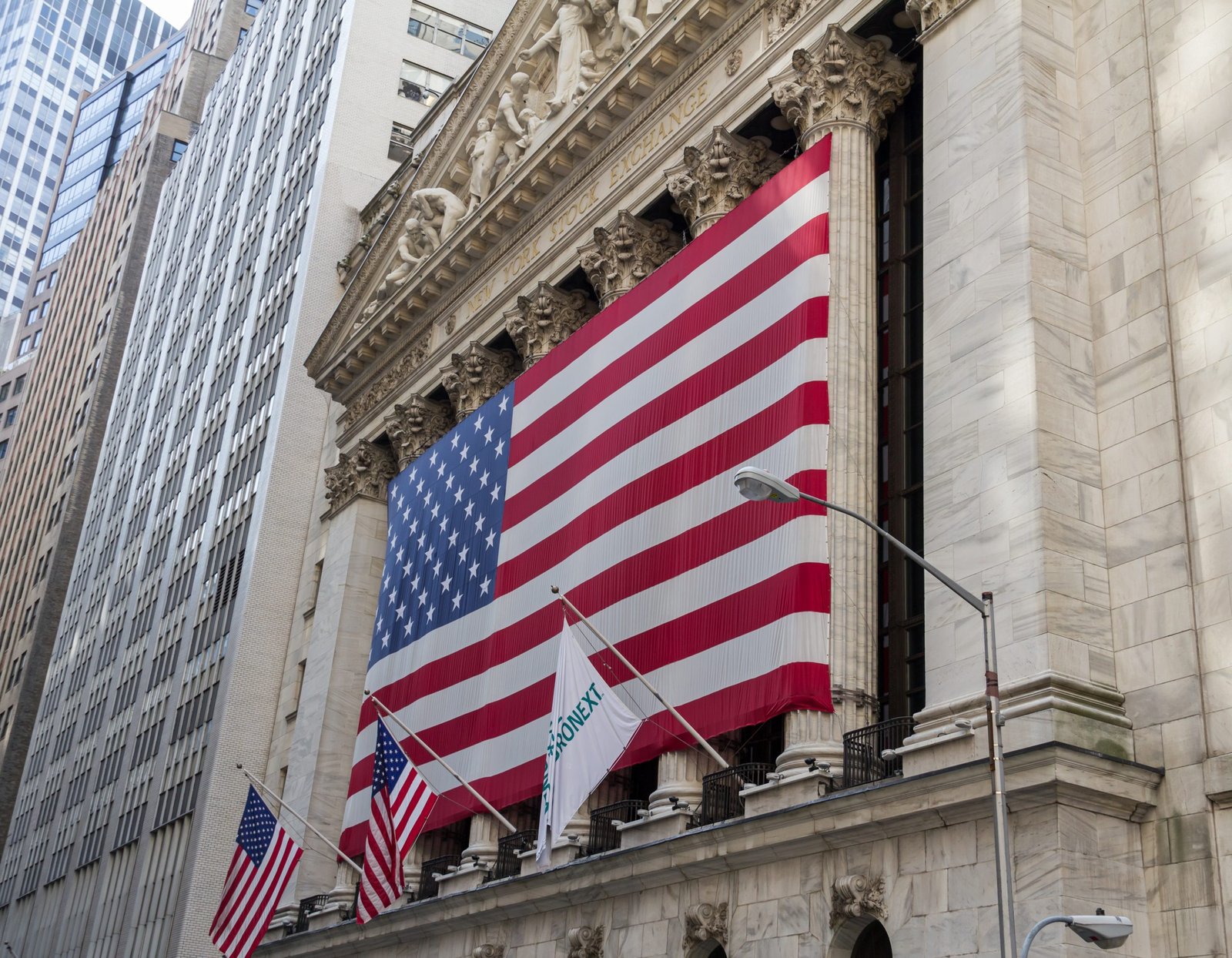

US equity futures rebounded from one-month lows on Thursday after President Donald Trump signaled that Washington had concluded its military strikes against Iran, easing concerns over a broader escalation in the Middle East.
Futures tied to the S&P 500, Dow Jones Industrial Average, and Nasdaq 100 advanced around 1% in premarket trading as investors welcomed signs that diplomatic negotiations could resume.
Trump said US retaliatory operations were complete, provided Iran refrains from further military action. He also indicated that both sides remain close to an agreement that could pave the way for the resumption of energy exports through the Persian Gulf.
The prospect of restored oil flows comes as inflation pressures remain elevated. The recent disruption in regional energy shipments helped push US consumer inflation to a three-year high in May. Investors are now awaiting producer price data, which is expected to show inflation at the wholesale level reaching its highest point in more than three years, reinforcing expectations that the Federal Reserve may maintain a hawkish stance on interest rates.
Gains were broad-based across US equity markets, with technology and artificial intelligence-related companies continuing to lead advances.
Nvidia rose 1% in premarket trading, extending momentum across the AI infrastructure sector. Investor enthusiasm has been supported by ongoing spending from major cloud providers on computing capacity and ahead of the highly anticipated SpaceX IPO scheduled for Friday.
Not all technology stocks participated in the rally. Oracle fell 8.5% after the company indicated it would take on additional debt to finance data center expansion, despite reporting little growth in sales.
The market’s focus has shifted back toward inflation, monetary policy, and the pace of investment in artificial intelligence infrastructure, with investors assessing whether strong demand for computing capacity can continue to support technology valuations amid a higher-rate environment.