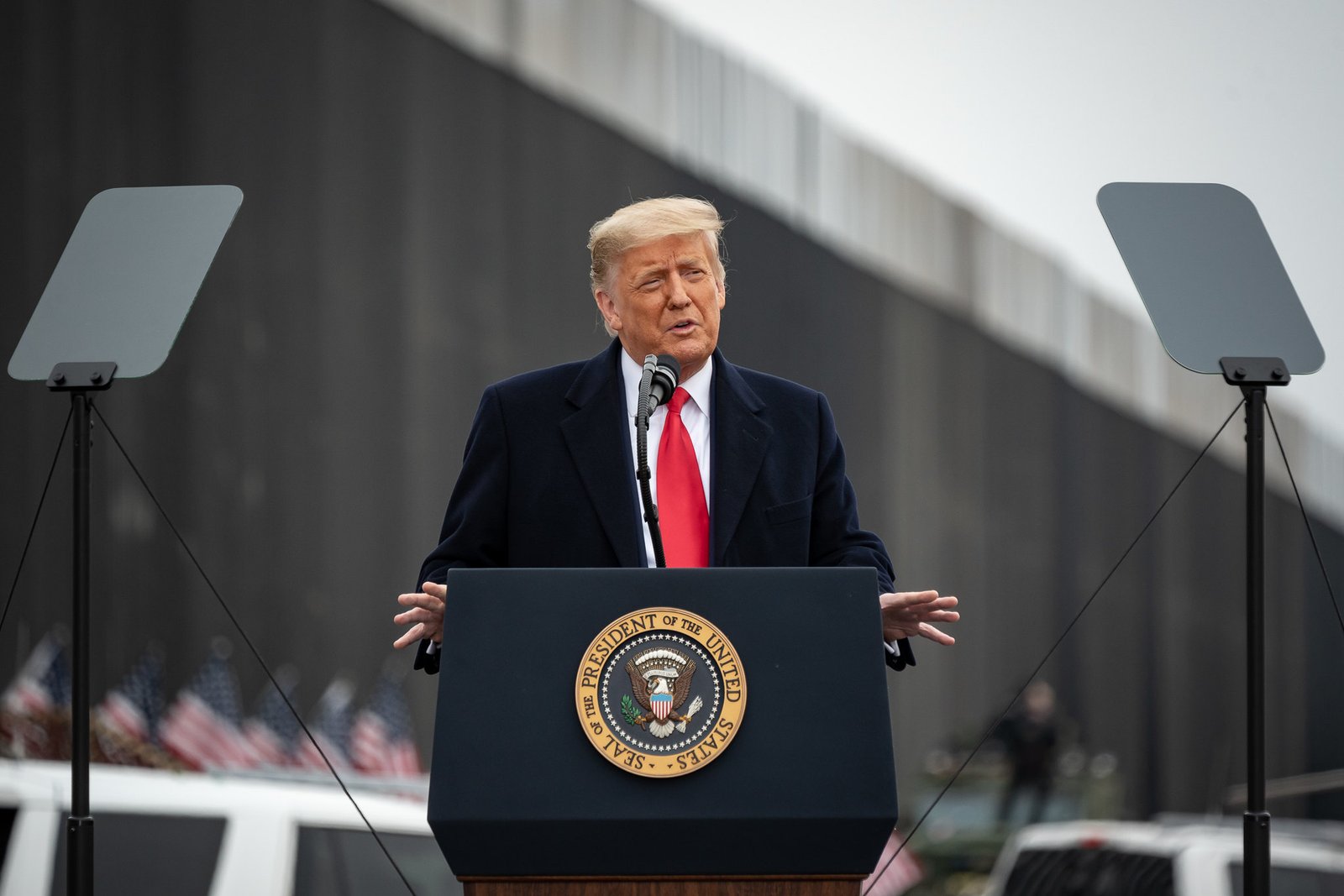

Donald Trump said Saturday that negotiations with Iran had made significant progress, fueling expectations of a potential easing of Middle East tensions and strengthening market bets on a further decline in global oil prices.
The statement, published on the Truth Social platform, comes after nearly three months of military conflict that disrupted global energy flows, strained supply chains, and reignited inflation concerns across major economies.
According to Donald Trump, the final terms of the agreement are still being negotiated between Washington, Tehran, and countries involved in the regional mediation effort. One of the central elements under discussion is the reopening of the Strait of Hormuz, the strategic waterway responsible for transporting roughly one-fifth of the world’s oil supply.
Iran closed the strait during the early stages of the conflict in response to airstrikes carried out by U.S. and Israeli forces, triggering sharp volatility across energy markets and pushing both Brent crude and WTI prices to multi-year highs.
Trump said he held discussions with leaders from Saudi Arabia, United Arab Emirates, Qatar, Turkey, Egypt, and Jordan, while also confirming a separate call with Benjamin Netanyahu, prime minister of Israel.
According to reporting from the Financial Times, the framework is expected to begin with a preliminary memorandum of understanding, followed by broader negotiations in the coming weeks. Terms under discussion reportedly include the resumption of international shipping through the Strait of Hormuz, partial easing of U.S. sanctions on Iran, expanded nuclear inspections, and potential additional restrictions on Iranian uranium enrichment.
Iranian officials, however, responded cautiously to the U.S. announcement. State-affiliated Iranian media outlets said the strait would remain under Iranian administration and argued that any framework involving the waterway should be negotiated with regional countries, including Oman.
Oil Retreats as Diplomatic Momentum Builds
Energy markets have reacted in recent weeks to signs of diplomatic progress.
At the height of the conflict, Brent crude climbed above $111 per barrel, while WTI rose past $104. Higher energy prices increased transportation costs, pressured airlines, and intensified inflationary pressures across fuel-importing economies.
As negotiations began to emerge, futures contracts started to reverse part of those gains. Brent has fallen more than 5% in recent sessions, while WTI has posted losses exceeding 8%.
Analysts say a confirmed reopening of the Strait of Hormuz could trigger a broader correction in oil prices, though they caution that markets are still awaiting operational confirmation that shipping flows through the corridor have fully resumed.
Emerging Markets Closely Monitor Developments
The prospect of de-escalation is being closely watched by emerging economies, particularly across Latin America, where elevated energy costs have weighed on inflation and economic activity in recent months.
Countries such as Brazil, Chile, and Mexico could benefit from a sustained decline in international oil prices, easing pressure on fuel costs, logistics, and industrial sectors.
The coming days are expected to be critical for the formalization of the agreement as investors monitor official signals from Washington, Tehran, and governments participating in the diplomatic negotiations.