The United States and Iran have agreed to a temporary two-week ceasefire, paving the way for the reopening of the Strait of Hormuz, one of the world’s most critical energy transit routes, and triggering an immediate reaction across global markets.
Donald Trump and Iran’s Supreme National Security Council confirmed the agreement, which allows ships to resume safe passage through the strategic waterway. According to Iran’s foreign minister, vessel transit will occur in coordination with the country’s armed forces and with consideration of operational constraints.
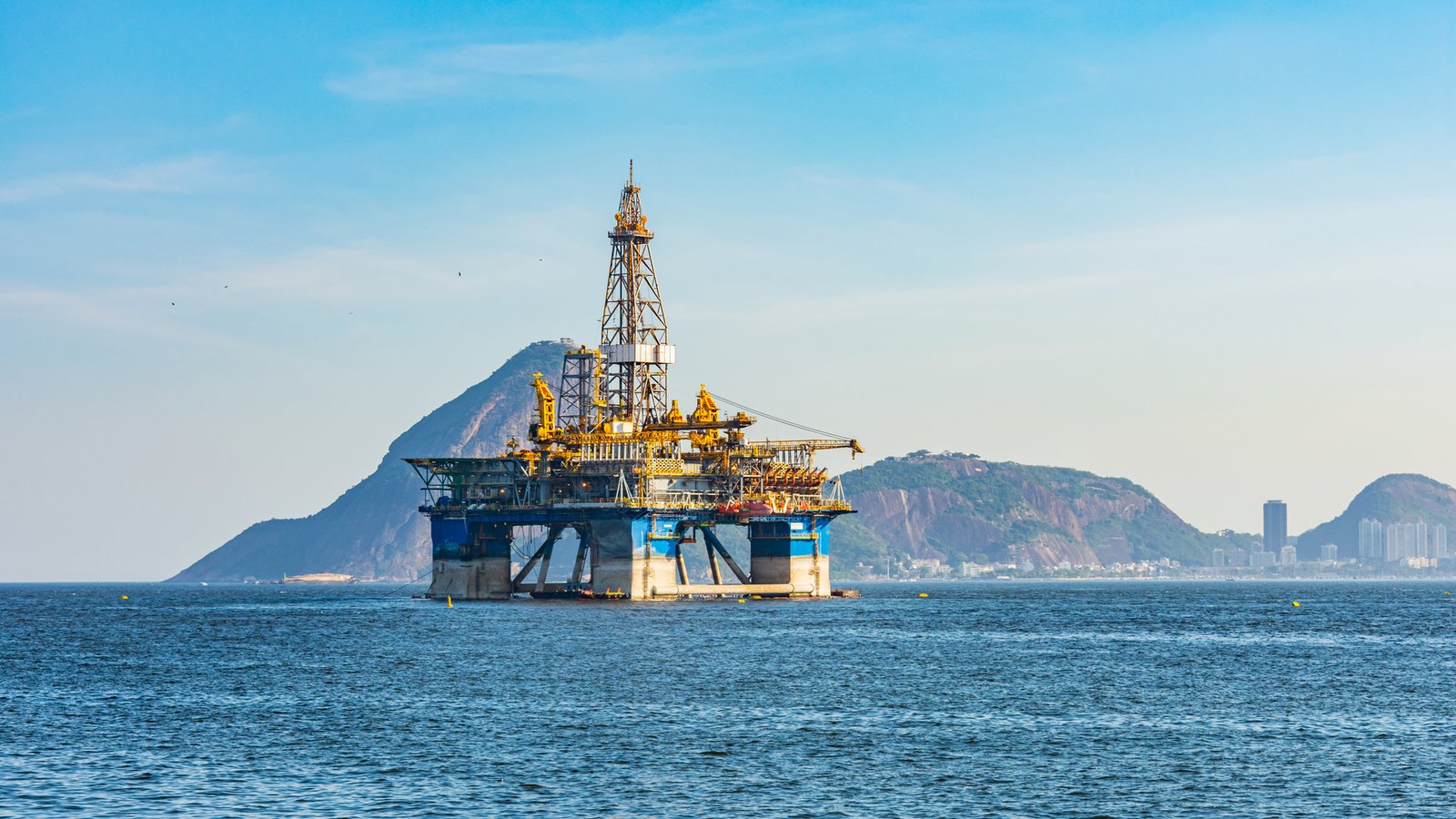
The development marks a significant de-escalation after more than a month of conflict that had severely disrupted global energy flows. Nearly 500 vessels carrying oil and refined fuels had been stranded in the Strait of Hormuz during the standoff, intensifying concerns over supply shortages and fueling volatility in commodity markets.
With the ceasefire in place, maritime traffic began to normalize on Wednesday, helping to alleviate immediate supply bottlenecks. Oil prices declined sharply following the announcement, reflecting improved expectations around global energy availability and reduced geopolitical risk premiums.
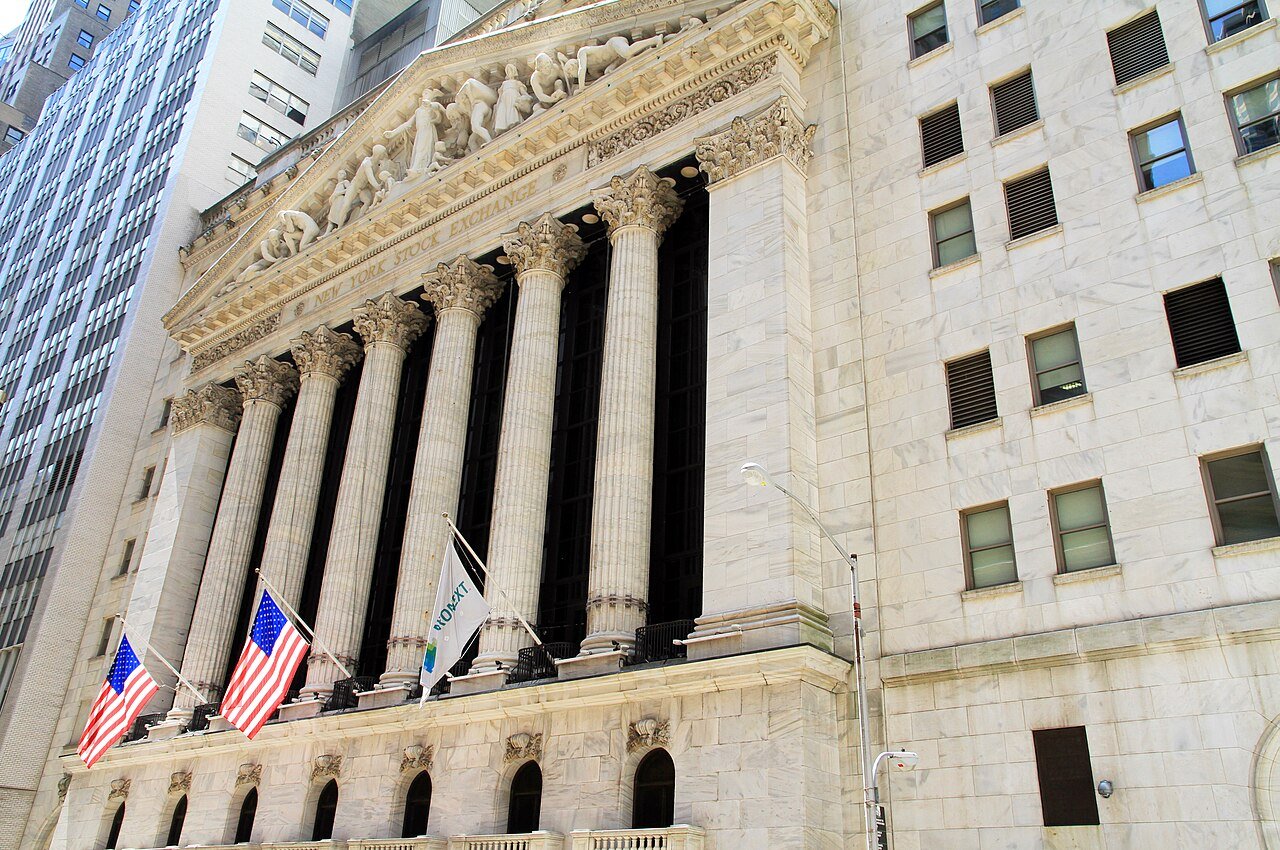
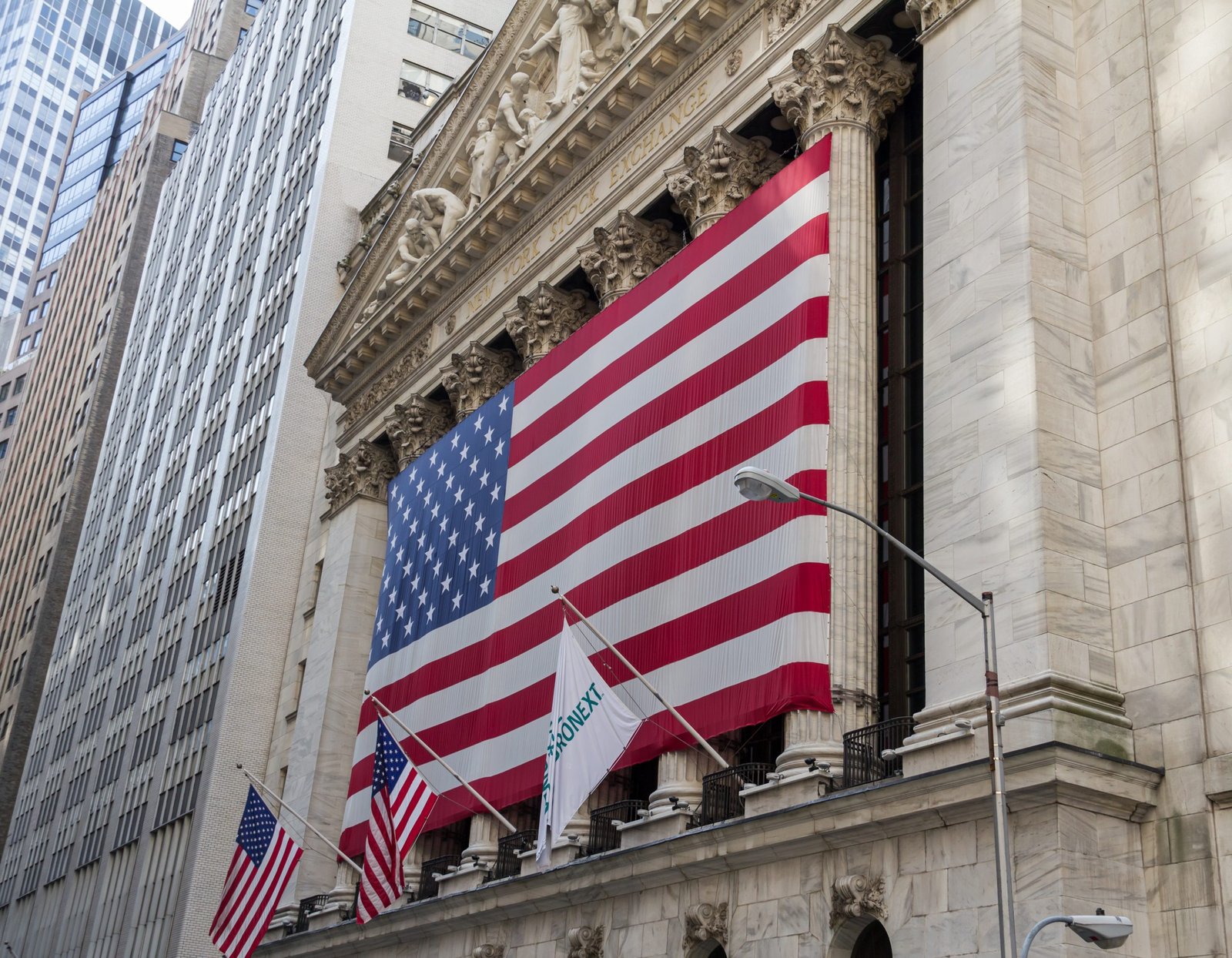
Financial markets responded swiftly. U.S. stock futures moved higher, supported by the prospect of lower energy costs and reduced inflationary pressure. The reopening of the Strait is seen as a key factor in stabilizing near-term market sentiment, particularly in sectors sensitive to fuel and logistics costs.
Despite the breakthrough, the agreement remains temporary, and investors are closely monitoring developments for signs of a more durable resolution. The situation continues to carry implications for global trade flows, energy pricing, and broader macroeconomic stability.