
Crude oil rose above $92.60 a barrel on Thursday, reaching its highest level in nearly a month as renewed security concerns around the Strait of Hormuz and production disruptions in the Gulf of Mexico increased uncertainty over global energy supplies.
Signs that tanker traffic through the Strait of Hormuz was beginning to recover have been overshadowed by new attacks on vessels in the region. A tanker north of Qatar was hit by multiple projectiles on Wednesday, resulting in casualties, according to the information provided.
Maritime security sources also reported that tanker attacks in the Strait reached their highest weekly level since the conflict began last week, raising concerns that the recent improvement in shipping activity may be difficult to sustain.
Strait of Hormuz Returns to Focus
The Strait of Hormuz is one of the world’s most important energy transit routes, connecting oil and gas producers in the Persian Gulf with international markets.
Any disruption to commercial shipping through the waterway can affect expectations for global supply, freight costs and the risk premium incorporated into crude prices.
The latest incidents have therefore renewed attention on whether tanker movements through the region can continue recovering without further interruptions.
U.S.-Iran Tensions Add to Oil Risk Premium
Geopolitical uncertainty also contributed to Thursday’s increase.
According to the information provided, the White House has asked the Pentagon to prepare potential military options against Iran that could be carried out before the U.S. midterm elections. President Donald Trump has also said he no longer wants an agreement with Iran.
Those developments add another layer of uncertainty to the energy market because an escalation involving Iran could affect production and shipping routes across the Middle East.
The preparation of military options, however, does not necessarily mean that a decision to carry out strikes has been made.
Gulf of Mexico Production Curtailed
Supply concerns are not limited to the Middle East.
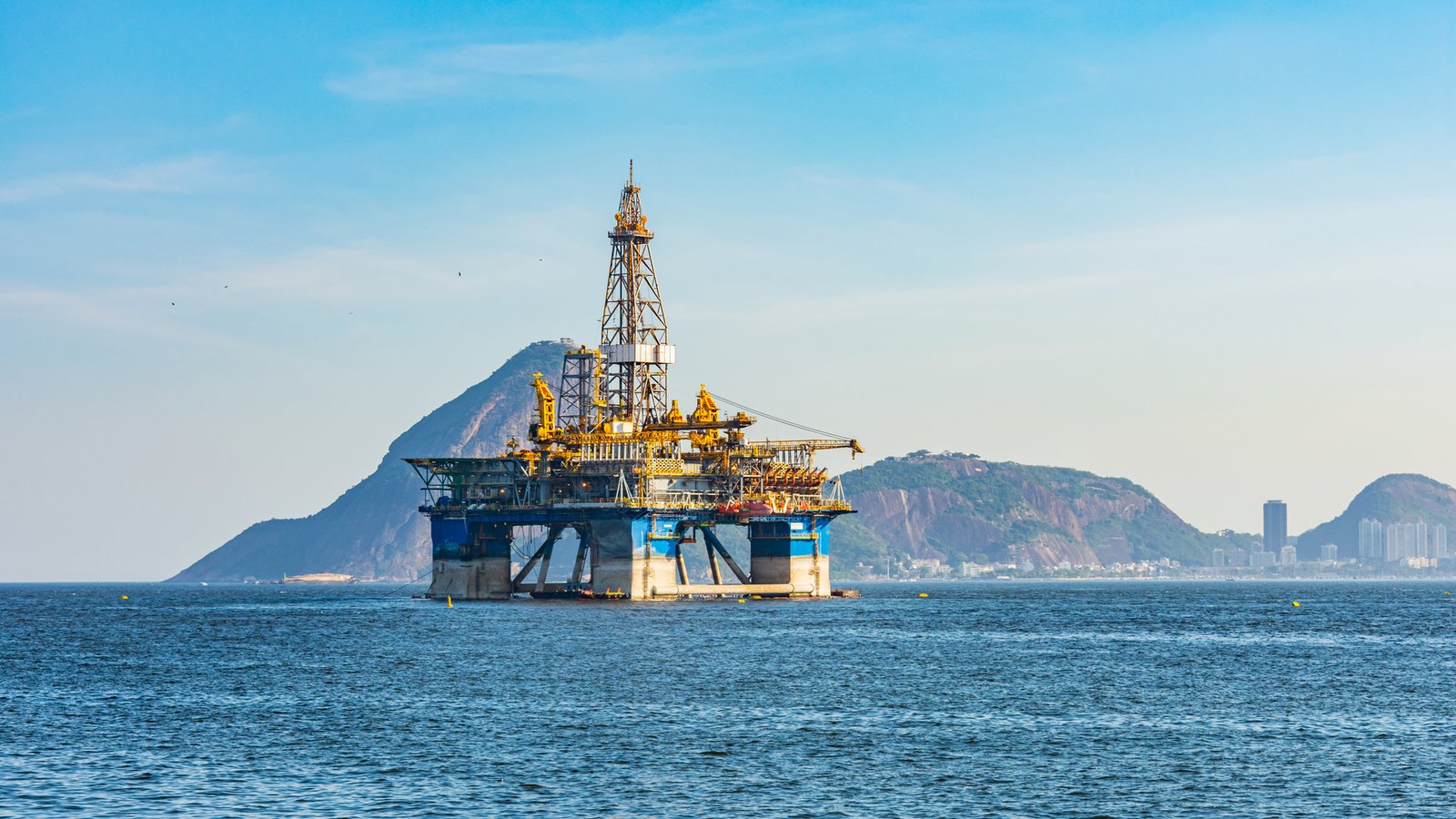
Chevron and Shell have begun reducing production and evacuating personnel from offshore facilities in the Gulf of Mexico as Tropical Storm Isaias approaches the region.
As of Wednesday, approximately 25.1% of U.S. Gulf oil production and 16.4% of natural gas output had been shut, according to the figures provided.
Temporary shutdowns are a standard safety measure ahead of severe weather, but the scale and duration of production losses can influence U.S. energy supplies if offshore facilities remain closed for an extended period.
Multiple Supply Risks Push Oil Higher
The move above $92 reflects the combination of two different supply risks: security threats affecting a critical Middle Eastern shipping corridor and weather-related disruptions affecting U.S. offshore production.
For the oil market, the duration of those disruptions will be important. A sustained reduction in tanker traffic through the Strait of Hormuz or prolonged shutdowns in the Gulf of Mexico could remove additional barrels from the market, while a rapid normalization of shipping and offshore production could reduce some of the current supply pressure.