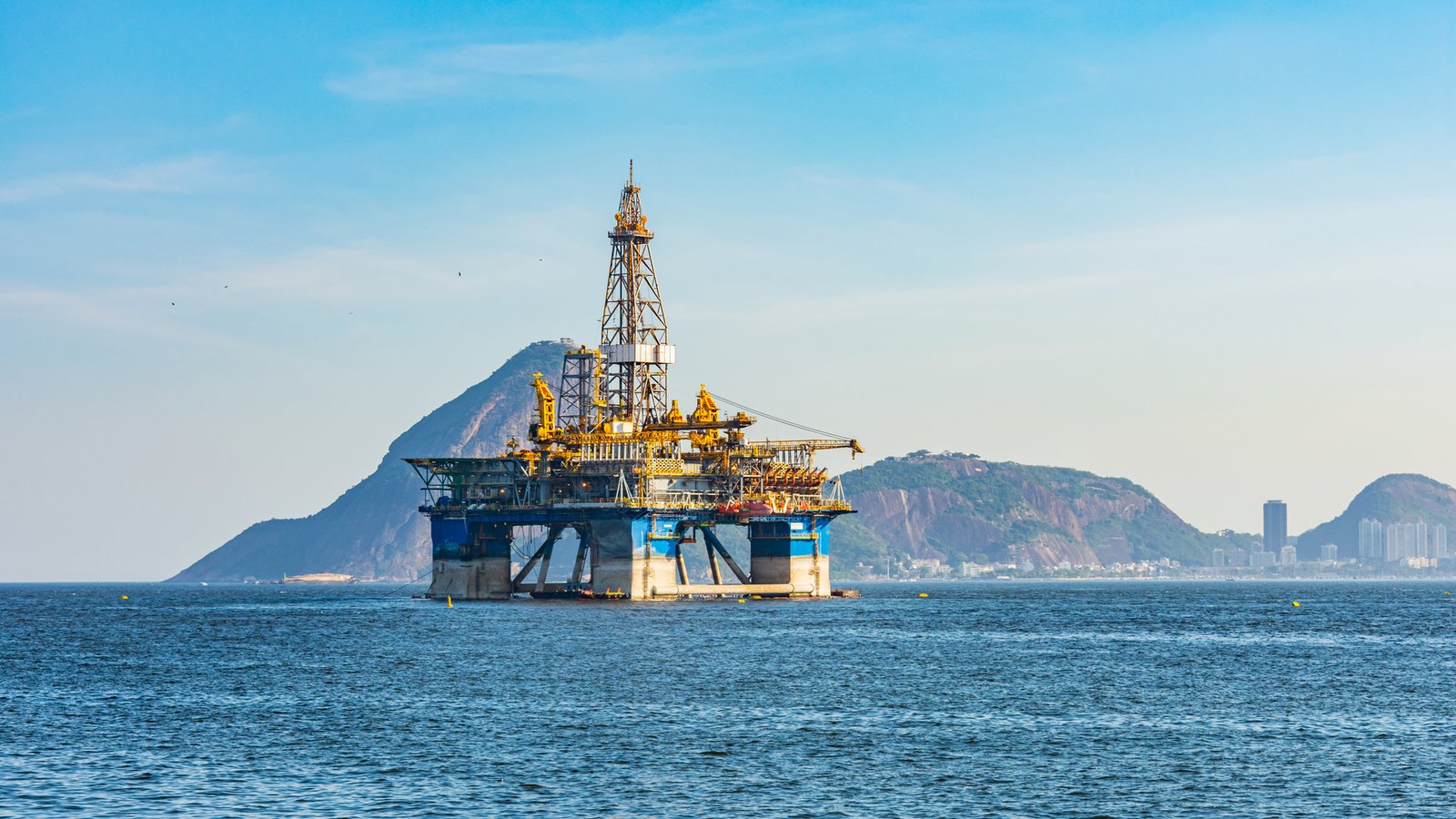

Crude oil prices eased toward $89 per barrel on Thursday as investors weighed renewed geopolitical tensions between the United States and Iran against signs of weaker demand from China and rising flows through the Strait of Hormuz.
The decline came as the US military carried out strikes on multiple targets in Iran for a second consecutive day. The operations followed accusations by President Donald Trump that Tehran was delaying negotiations over an interim peace agreement. Despite the escalation, the latest attacks have not targeted energy infrastructure, easing concerns about an immediate disruption to global oil supplies.
Market participants also pointed to signs of softer demand from China, the world’s largest crude importer. Traders said Chinese refiners are expected to take significantly lower volumes of Saudi crude in July, with imports already hovering near their lowest levels in eight years.
However, supply-side indicators continue to suggest a tightening global market.
In the United States, crude inventories, including strategic petroleum reserves, fell by approximately 15 million barrels last week. Total stockpiles have declined by more than 70 million barrels over the past five weeks, marking the steepest drawdown since the 1980s.
Meanwhile, fuel inventories in Singapore have fallen to their lowest level since 2013, reinforcing concerns about tightening supplies across key trading hubs.
The market remains caught between competing forces. While slowing Chinese demand and stable energy infrastructure in the Middle East have eased some upward pressure on prices, declining inventories and ongoing geopolitical risks continue to provide support for crude markets.
The market remains focused on whether tightening inventories can offset signs of weaker demand from China, while geopolitical developments in the Middle East continue to shape the risk premium embedded in crude prices.