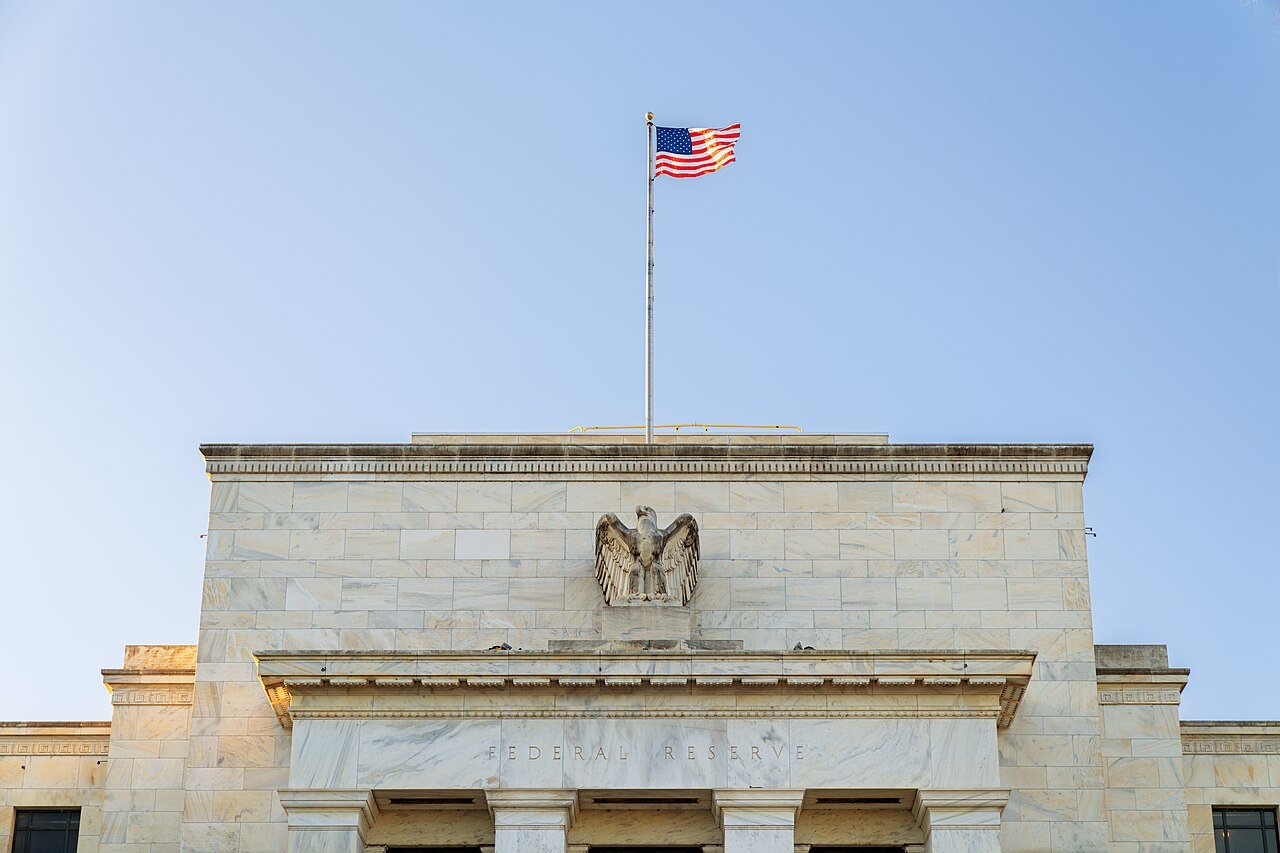
The Federal Reserve signaled a more cautious and flexible stance on monetary policy, indicating that additional interest rate hikes remain possible if inflation continues to exceed target levels, according to minutes from the latest Federal Open Market Committee (FOMC) meeting held in March.
While the central bank held the federal funds rate steady at 3.5%–3.75% for the second consecutive meeting, policymakers emphasized a “two-sided” approach to future decisions — balancing the potential need for further tightening against longer-term easing expectations.
Inflation Risks Re-Emerge as Core Concern
The majority of Fed officials highlighted that upside risks to inflation have increased, alongside rising downside risks to employment — a dual pressure that complicates the policy outlook.
A key driver behind this shift is the escalating geopolitical instability in the Middle East, which officials flagged as a material risk to price stability.
A prolonged conflict in the region is expected to:
- Sustain upward pressure on energy prices
- Increase input costs across sectors
- Raise the likelihood of pass-through effects into core inflation
This dynamic could delay the Fed’s progress toward its 2% inflation target, reinforcing the possibility of renewed tightening if inflation proves more persistent.
Policy Path: Between Restraint and Future Easing
Despite the hawkish undertone, the Fed maintained its baseline outlook for gradual rate cuts ahead:
- One rate cut projected in 2026
- Another reduction expected in 2027
However, policymakers did not provide clarity on the timing, underscoring a data-dependent approach in an increasingly uncertain macro environment.
A Market Balancing Act
The latest signals from the Fed reflect a delicate balancing act:
- Containing inflation without derailing economic activity
- Responding to geopolitical shocks without over-tightening financial conditions
For investors, the message is clear: rate stability does not equate to policy certainty.
The reintroduction of a tightening bias — even conditional — suggests that monetary policy remains highly reactive to external shocks, particularly those affecting energy markets and global supply chains.