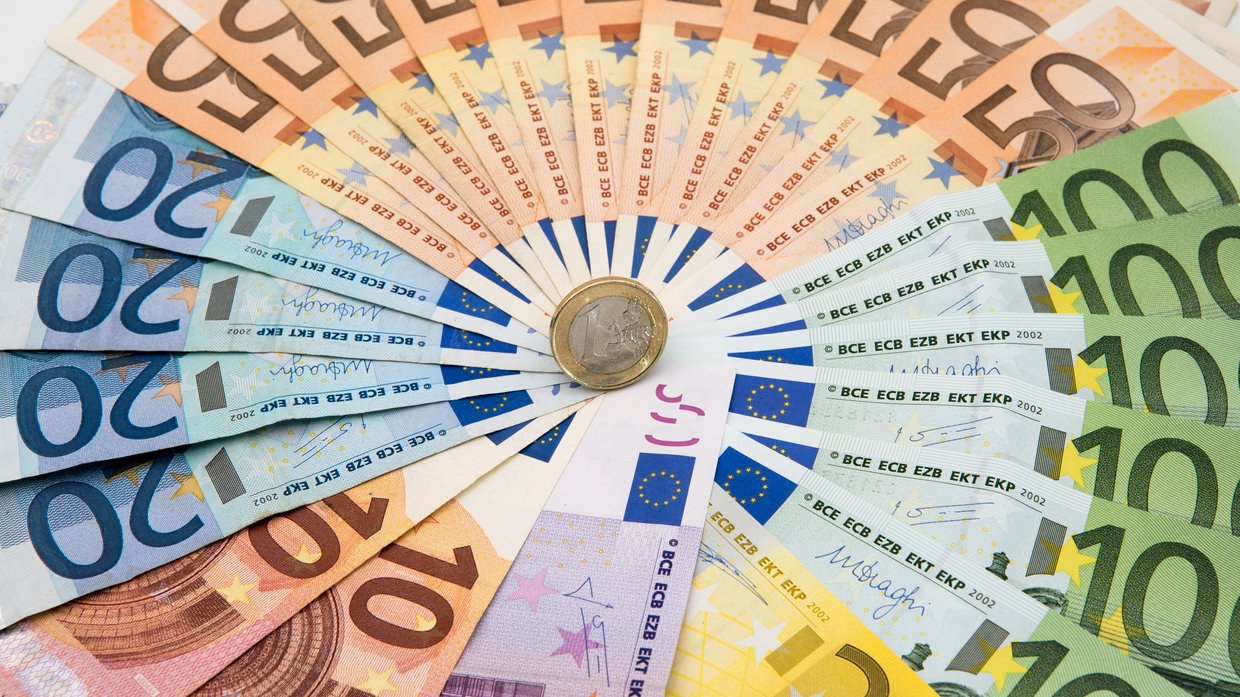

The euro traded near $1.15 on Thursday, hovering around its weakest level in more than two months as broad-based strength in the US dollar continued to pressure the common currency.
Demand for the dollar remained supported by geopolitical uncertainty in the Middle East, where renewed military strikes and stalled diplomatic efforts have clouded prospects for a resolution between the United States and Iran. The heightened uncertainty has reinforced demand for traditional safe-haven assets, including the greenback.
Investors are now focused on the European Central Bank’s policy announcement, with markets widely expecting policymakers to raise interest rates by 25 basis points. The move would mark the ECB’s first rate increase since 2023 and lift the deposit facility rate to 2.25%.
The anticipated rate hike comes as inflationary pressures across the euro area continue to build following the recent surge in energy prices linked to the conflict involving Iran and disruptions to oil shipments through the Strait of Hormuz.
In addition to the policy decision, investors will closely examine the ECB’s updated economic projections for indications of how policymakers view the inflation outlook. Economists expect the central bank to revise its inflation forecasts higher for both 2026 and 2027, reflecting the impact of elevated energy costs and persistent price pressures.
Attention will also center on comments from ECB President Christine Lagarde, particularly regarding the future path of monetary policy. Financial markets currently anticipate that the ECB could deliver at least one additional rate increase before the end of the year.
The euro’s recent weakness highlights the challenge facing European policymakers as rising inflation risks coincide with a slowing economic backdrop, while a resilient US dollar continues to dominate global currency markets.