
Brent crude surged 5% to around $78 per barrel on Wednesday as renewed military tensions between the United States and Iran intensified concerns over potential disruptions to global energy supplies.
The move followed a series of geopolitical developments that renewed focus on the Strait of Hormuz, one of the world’s most important oil and liquefied natural gas shipping routes.
Escalating Conflict Shifts Market Focus
The latest price gains came after President Donald Trump said he considered the ceasefire with Iran to be over. The United States also announced military strikes against Iranian targets and revoked a waiver that had previously allowed Iran to continue certain crude oil sales.
The developments marked a significant escalation in regional tensions after weeks in which markets had increasingly focused on expanding global oil supply.
Attacks Raise Maritime Security Concerns
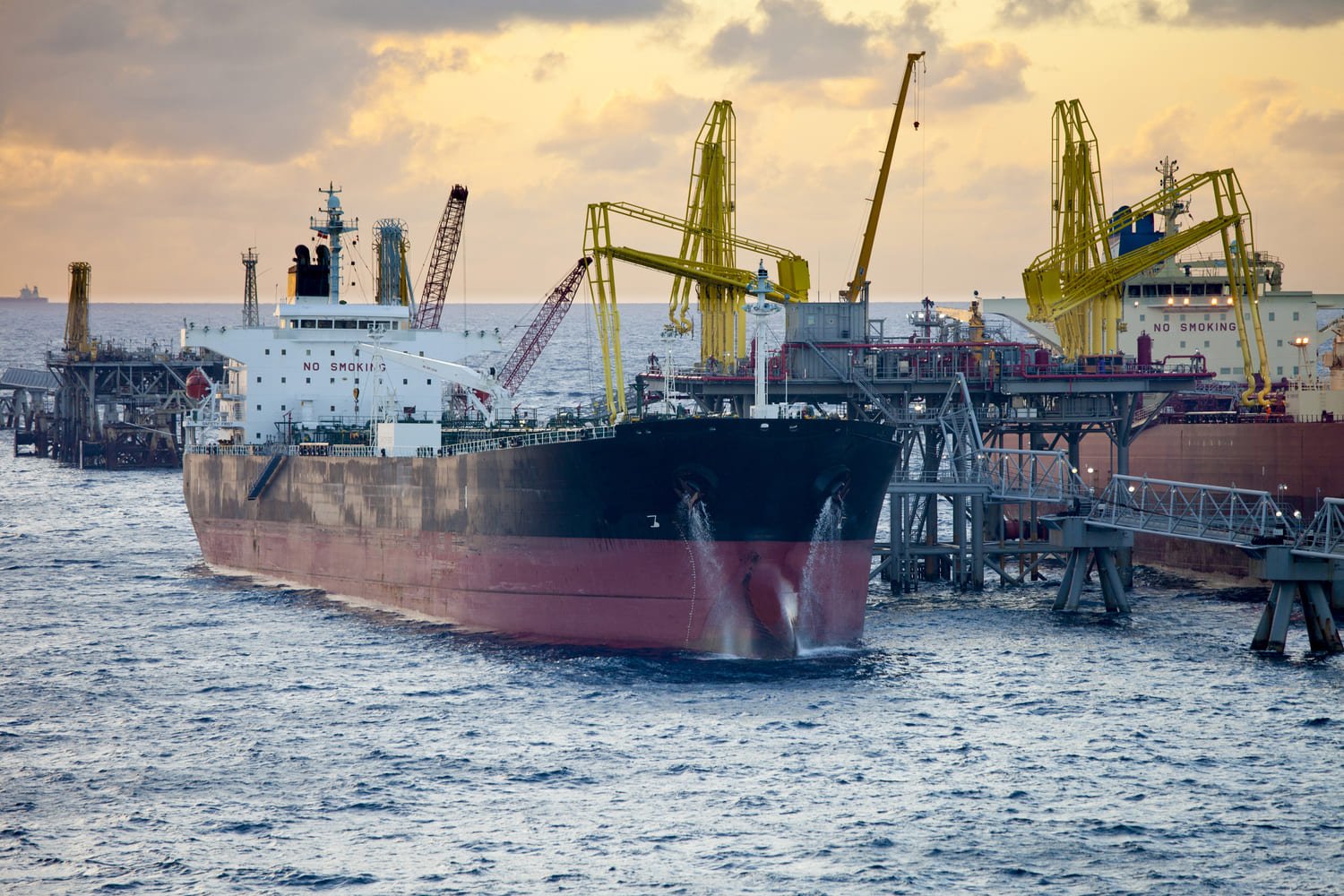
The latest escalation follows recent attacks on commercial vessels transiting the Strait of Hormuz, including a Qatari liquefied natural gas carrier and a Saudi oil tanker.
Iran also stated that it had targeted 85 U.S. military sites in Bahrain and Kuwait, describing the strikes as a response to what it called U.S. violations of the ceasefire.
The incidents have renewed attention on maritime security in the Gulf, where any disruption to shipping can affect the movement of crude oil and liquefied natural gas to global markets.
Supply Outlook Becomes Less Certain
The renewed tensions represent a shift from recent market expectations that increasing production could lead to a more comfortable supply balance.
Earlier this month, OPEC+ agreed to raise production quotas, while several Middle Eastern producers moved to increase exports, contributing to expectations of stronger global supply.
The latest geopolitical developments, however, have introduced a new source of uncertainty, as concerns over shipping security and regional stability offset the impact of higher production.
The renewed tensions marked a shift from the supply-focused narrative that had dominated recent weeks.
Production increases announced by OPEC+ and higher exports from several Gulf producers had pointed to expanding supply. The latest military developments, however, brought attention back to the security of energy infrastructure and shipping routes in the Middle East, factors that continue to influence global crude prices.