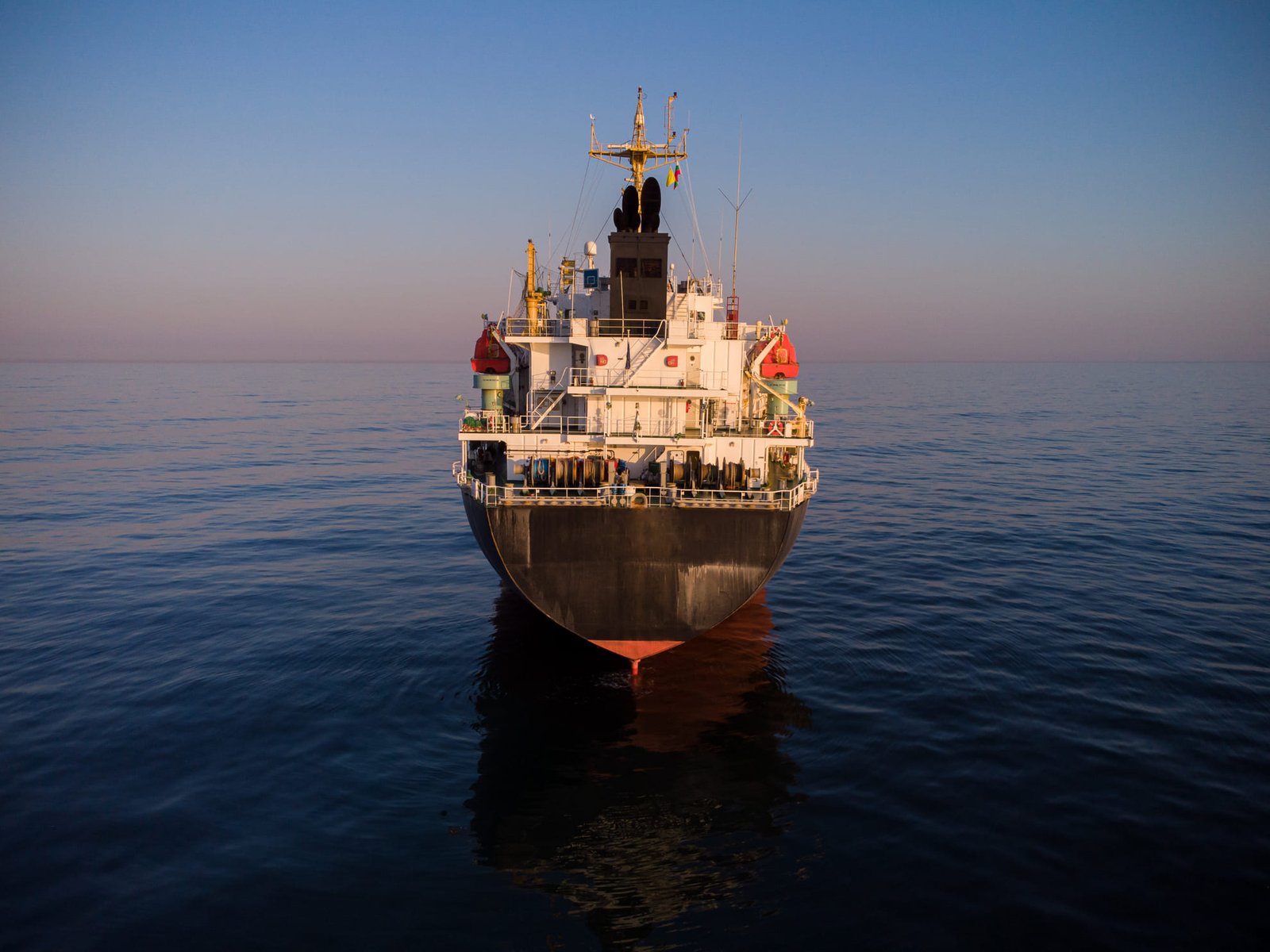

Brent crude rose toward $73 per barrel on Tuesday, reaching its highest level in a week after a liquefied natural gas (LNG) carrier owned by a Qatar state shipping company was struck by a projectile near the coast of Oman while exiting the Strait of Hormuz.
The incident renewed attention on maritime security in one of the world’s most important energy corridors, although oil prices remained close to their lowest levels since late February as expectations of increased global supply continued to weigh on the market.
Shipping Incident Draws Attention to Hormuz
The LNG vessel was reportedly fully loaded when it was struck near Omani waters after transiting the Strait of Hormuz, a route through which roughly one-fifth of global oil consumption passes.
The event raised fresh questions about the stability of maritime traffic in the region following recent diplomatic efforts between the United States and Iran aimed at reducing security risks along the strategic waterway.
Despite the incident, shipping activity has largely continued.
Reports indicated that at least eight Japan-linked vessels departed the Strait of Hormuz using a route closer to the Iranian coastline, including five very large crude carriers (VLCCs), each capable of transporting approximately 2 million barrels of crude oil.
Supply Outlook Continues to Weigh on Prices
While geopolitical developments provided short-term support for crude prices, broader supply expectations continued to limit gains.
Market sentiment has remained influenced by rising production from major oil exporters and the gradual normalization of shipping activity across the Persian Gulf.
Adding to signs of softer market conditions, Saudi Aramco reduced the official selling price of its Arab Light crude for Asian customers by $1.10 per barrel for next month’s deliveries, widening the discount to $1.50 below the regional benchmark.
The pricing adjustment reflects increased competition for market share in Asia as producers respond to evolving supply and demand conditions.
Market Balances Geopolitical Risks and Supply Growth
Tuesday’s trading illustrated the competing forces currently shaping global oil markets.
While developments affecting the Strait of Hormuz continue to influence short-term price movements, expanding supply and pricing adjustments by major exporters remain important factors for the broader market outlook.
Future price direction is likely to depend on both the security of energy shipping routes in the Middle East and the pace of global supply growth in the months ahead.
Source: Market trading data; shipping reports; Saudi Aramco.