
Brazil’s producer prices increased 1.54% in September 2026 compared with the previous month, accelerating from a 0.34% rise in August, according to data from the Brazilian Institute of Geography and Statistics (IBGE).
The increase marked the strongest monthly advance since April, reflecting higher prices across extractive and manufacturing industries.
On an annual basis, the Producer Price Index (PPI) rose 4.34%, up from 2.5% in August and reaching its highest level since May 2025.
The figures indicate renewed price pressures within Brazil’s industrial sector, particularly in activities linked to commodities, energy and food production.
Mining and Quarrying Prices Record Sharp Increase
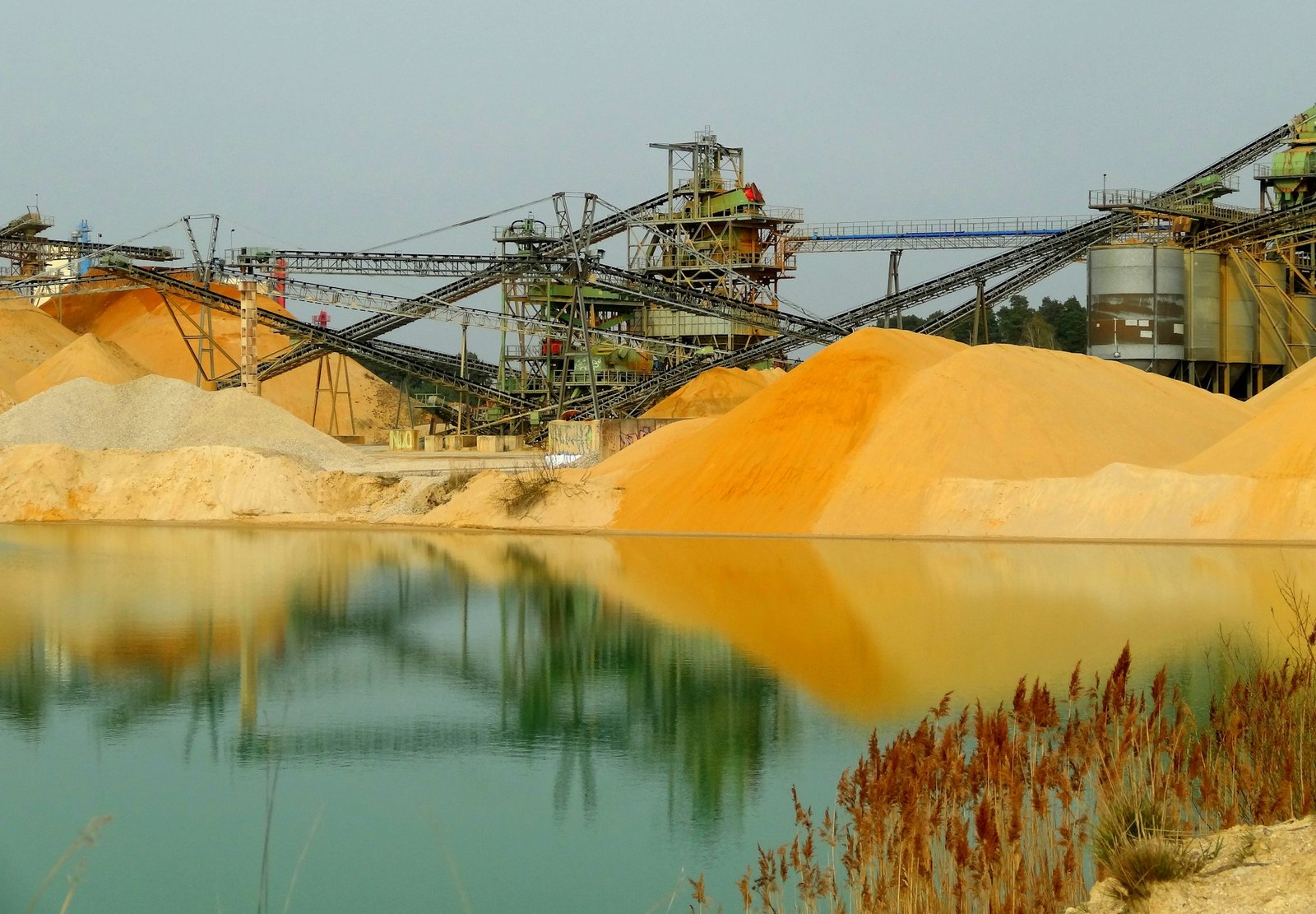
The mining and quarrying sector registered an 11.04% monthly increase in producer prices, compared with 4.34% in August.
The September result was the strongest since March, supported by higher prices for crude petroleum, iron ore and iron concentrates.
The sector’s performance reflects the sensitivity of Brazil’s extractive industries to commodity price movements.
As a major producer and exporter of iron ore and crude oil, Brazil is exposed to changes in international commodity markets, although domestic pricing conditions and exchange rate movements can also influence producer prices.
The increase in extractive industry prices contributed to the broader acceleration in industrial inflation.
Manufacturing Inflation Accelerates
Producer prices in manufacturing increased 1.12% in September, compared with a 0.17% rise in August.
The acceleration suggests that price pressures extended beyond mining activities to a broader range of industrial products.
Among the manufacturing categories, food production recorded a 2.4% increase, compared with 1.99% in the previous month.
The result represented the largest monthly rise in food manufacturing prices since September 2024.
Higher producer prices in the food industry can influence costs throughout supply chains, although the extent to which these increases reach consumers depends on factors including distribution expenses, retail competition and demand.
Petroleum Products and Biofuels Rebound
Prices in the manufacture of coke, refined petroleum products and biofuels increased 4.88% in September, reversing a 0.16% decline in August.
The increase was the largest since April and contributed to the acceleration in manufacturing producer prices.
Energy-related products are important inputs for industrial production and transportation, making their price movements relevant to costs across several sectors of the economy.
However, changes in producer prices do not translate automatically or proportionally into consumer inflation.
The impact depends on the ability of businesses to absorb higher costs, adjust profit margins or pass price increases along to customers.
Annual Producer Inflation Reaches Highest Level Since May 2025
The annual producer inflation rate accelerated to 4.34% in September, compared with 2.5% in August.
The increase suggests that industrial price pressures strengthened both on a monthly basis and compared with the same period a year earlier.
Brazil’s Producer Price Index measures changes in prices received by domestic producers at the factory gate, excluding taxes and freight.
Unlike consumer inflation indicators, the index focuses on prices at the production stage and does not directly measure the cost of living for households.
Nevertheless, producer price trends can provide information about cost developments that may influence future pricing decisions across the economy.