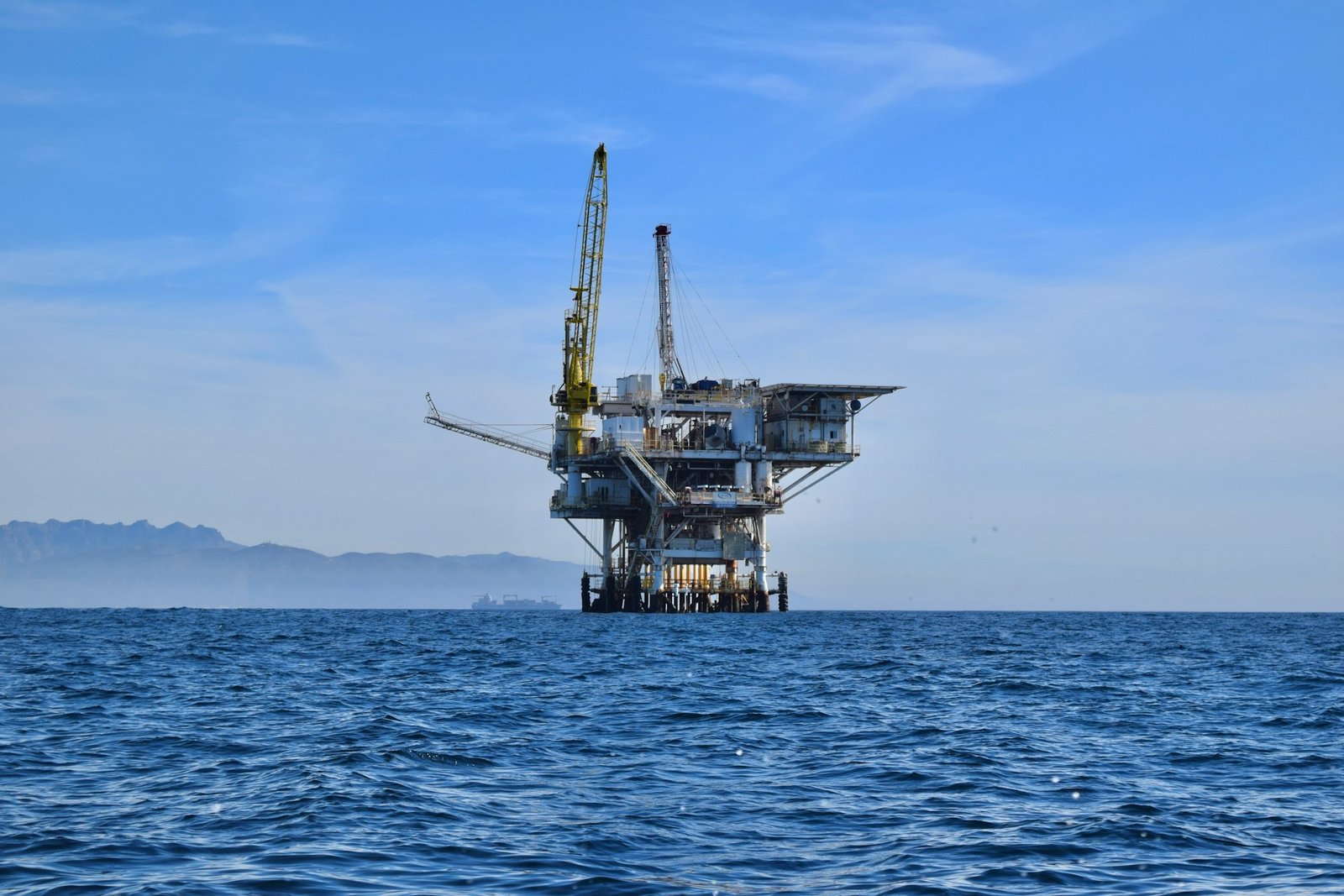

Oil prices declined on Friday, with US crude trading near $82 a barrel, its lowest level in almost three months, as expectations of abundant global supply outweighed concerns about a possible new round of American military strikes against Iran.
West Texas Intermediate (WTI), the US oil benchmark, fell to approximately $82.10 a barrel, while Brent crude traded near $91.14, according to Reuters.
Both benchmarks were on course for a third consecutive weekly decline, reflecting the recovery in Middle Eastern oil exports and growing expectations that global production could exceed demand.
Middle Eastern Supply Recovery Pressures Oil Prices
The recovery of energy shipments through the Strait of Hormuz has become an important factor influencing crude prices.
US Energy Secretary Chris Wright said oil flows through the strategic waterway had reached record levels as regional supplies continued to recover.
The Strait of Hormuz connects the Persian Gulf with international shipping routes and is a critical passage for energy exports from major Middle Eastern producers.
The restoration of oil shipments has helped reduce immediate concerns about shortages, despite continuing military tensions and threats to commercial vessels.
For traders, the improvement in supply availability has outweighed the potential impact of further geopolitical escalation.
US, China and Russia Agree to Increase Refined Fuel Supplies
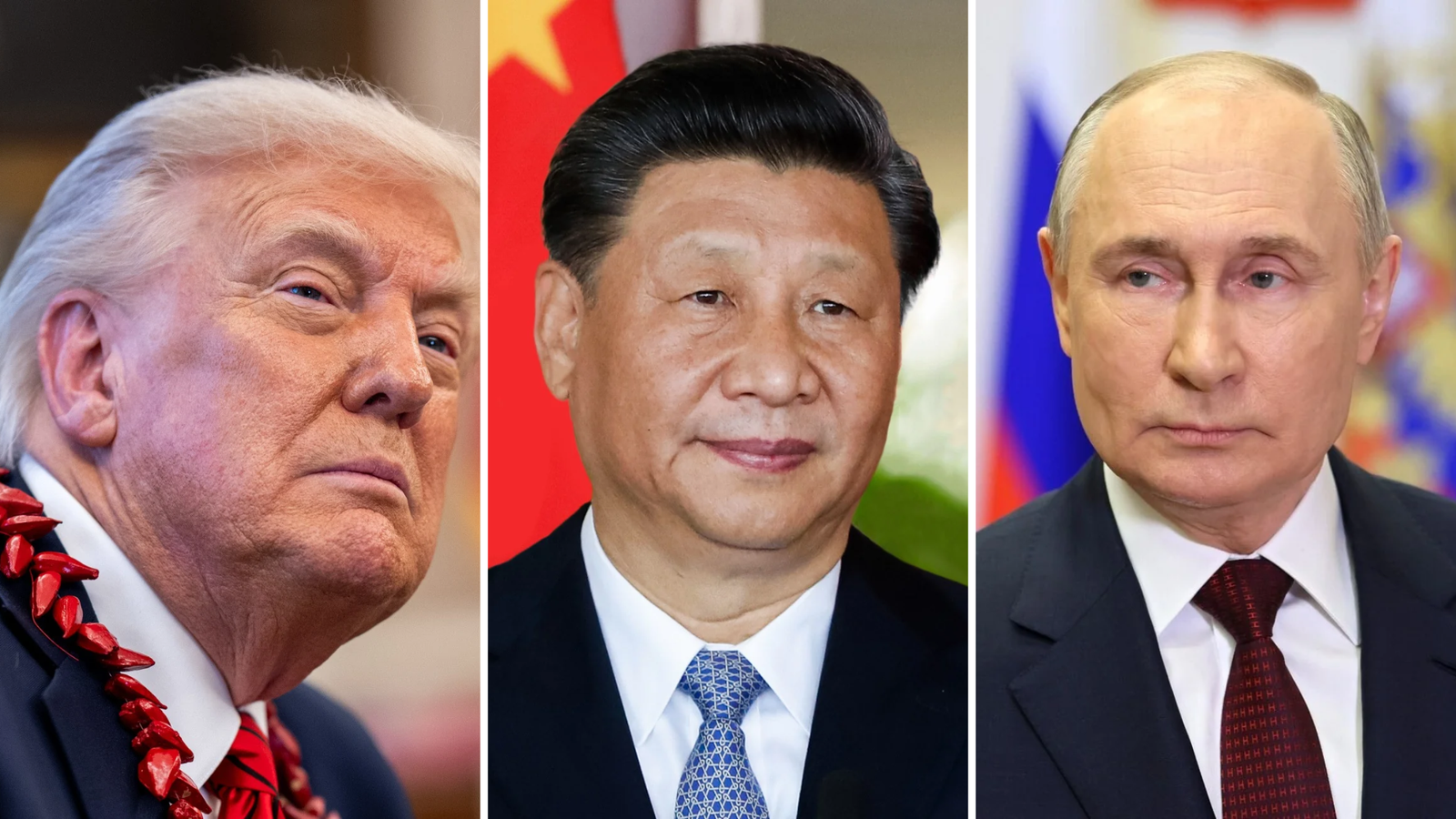
Energy security also featured prominently in Thursday’s historic trilateral meeting between US President Donald Trump, Chinese President Xi Jinping and Russian President Vladimir Putin in Shenzhen, China.
In a joint declaration, the three countries announced plans to increase the production and supply of refined petroleum products and reaffirmed the importance of maintaining stable energy flows.
The commitment comes as global energy markets continue to face disruptions linked to conflicts in the Middle East and Ukraine.
IEA Forecast Adds to Oversupply Concerns
The International Energy Agency projected a global oil supply surplus of approximately 2 million barrels per day during the current quarter, according to market reports.
The forecast reinforces expectations that recovering production and export capacity could place further downward pressure on crude prices.
Goldman Sachs has also warned about the possibility of an oversupplied market in 2027.
An extended period of excess supply could reduce revenues for major oil exporters while potentially easing energy costs for importing economies.
Trump Signals No Immediate Decision on Iran
Geopolitical uncertainty remains a potential source of volatility.
President Trump indicated that he was not rushing to make a decision on further military action against Iran, despite reports suggesting an increased possibility of renewed US strikes.
Recent security incidents involving commercial shipping and regional infrastructure have continued to raise concerns about the stability of energy transportation routes.
Any significant disruption to exports through the Strait of Hormuz could reverse some of the downward pressure on prices.
For now, however, market participants appear to be placing greater emphasis on available supply and expectations for production growth.
What Lower Oil Prices Mean for the Global Economy
A sustained decline in crude oil prices could have implications for inflation, international trade and monetary policy.
Lower energy costs can reduce expenses for transportation companies, manufacturers and consumers, potentially easing some inflationary pressures.
For oil-importing countries, declining crude prices may also help improve trade balances and reduce energy import bills.
Conversely, major petroleum exporters could face lower revenues and increased pressure on public finances if prices remain depressed.