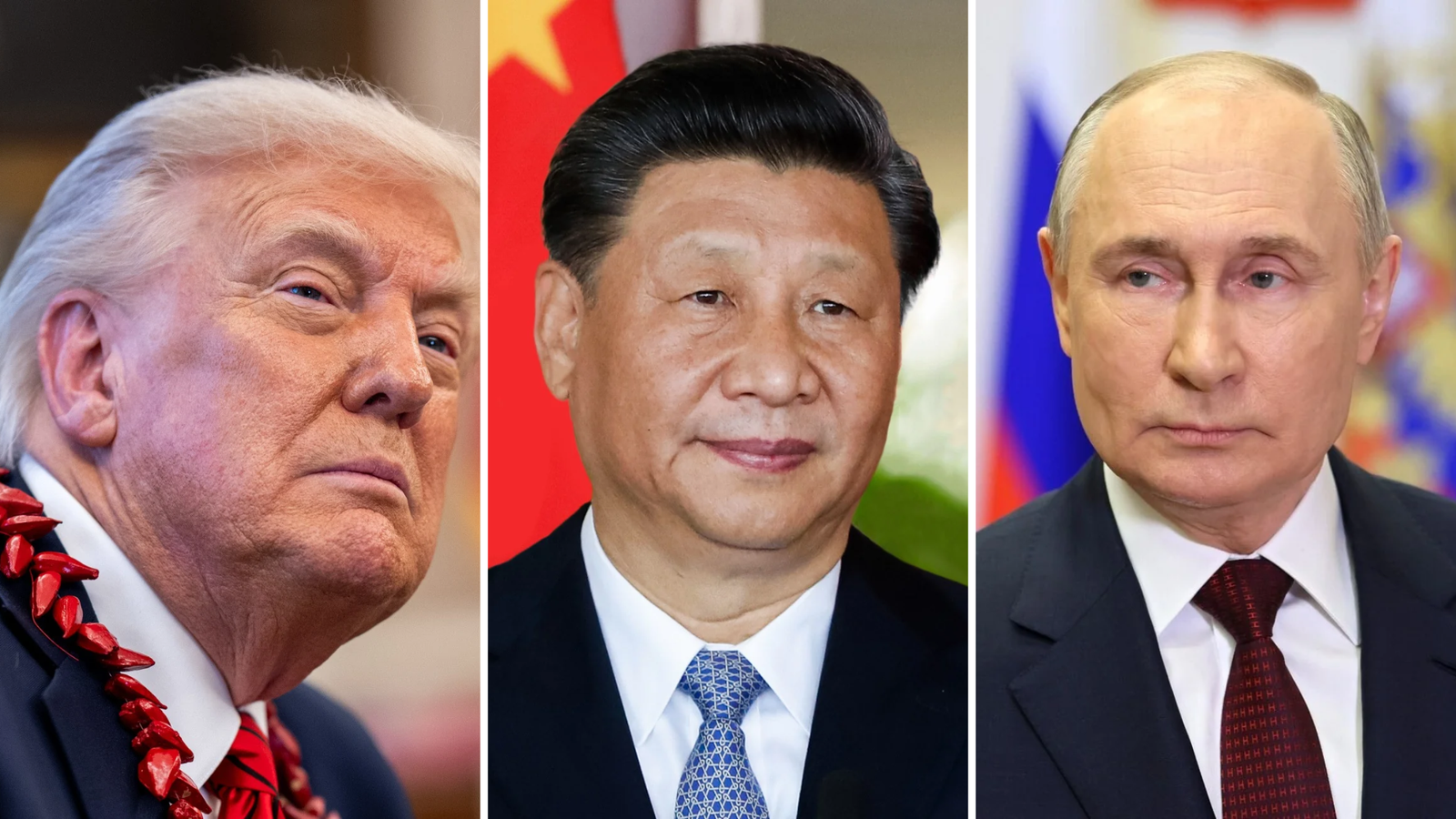

US President Donald Trump met Chinese President Xi Jinping and Russian President Vladimir Putin on Thursday in an unprecedented trilateral summit, bringing together the leaders of three major nuclear powers amid international tensions and ongoing conflicts in Ukraine and Iran.
The meeting, held on the sidelines of the Asia-Pacific Economic Cooperation summit, focused on nuclear arms control, global security and opportunities for diplomatic cooperation.
Trump had presented the talks as an opportunity to explore ways to reduce nuclear weapons and address major international conflicts.
However, expectations for immediate diplomatic breakthroughs remained limited.
Nuclear Arms Control Takes Center Stage
The summit comes after the expiration of New START, the last major nuclear arms control treaty between the United States and Russia, in February 2026.
Trump has advocated a broader agreement that would include China, arguing that the world’s major nuclear powers should establish new mechanisms to reduce the risk of nuclear conflict.
The challenge remains substantial.
The United States and Russia possess significantly larger nuclear arsenals than China, creating different strategic incentives for each country.
Arms control experts have cautioned that a single summit is unlikely to produce a comprehensive agreement, although it could establish the foundation for future negotiations.
Ukraine and Iran Remain Major Diplomatic Challenges
The wars in Ukraine and Iran were also among the issues Trump intended to raise during the meetings.
The US president held separate discussions with Xi and Putin before the trilateral gathering.
His meeting with Putin followed earlier negotiations in Alaska that failed to produce a settlement to the war in Ukraine.
European governments and Ukrainian officials have expressed concern about negotiations involving major powers without direct participation from countries most affected by the conflict.
The situation in Iran has also increased the importance of diplomatic discussions about regional security and international energy supplies.
Energy Security and US-China Trade
Economic issues featured prominently in Trump’s bilateral discussions with Xi.
The two leaders addressed the importance of maintaining oil shipments through the Strait of Hormuz, a strategic maritime route affected by security threats associated with the conflict involving Iran.
Trump also indicated that he would seek additional Chinese purchases of American agricultural products.
The discussions reflect the connection between international security, energy markets and trade relations.
Disruptions to shipping routes can influence oil prices, transportation costs and global supply chains, while changes in US-China trade policy can affect businesses and consumers across multiple economies.
Leaders Discuss Further Cooperation
Following the trilateral meeting, reports citing Chinese state media and Russian officials indicated that the three countries had agreed to pursue further dialogue on nuclear risks, international institutions and energy supplies.
However, the declaration described in those reports did not include specific agreements to end the wars in Ukraine or Iran.
The distinction is important: discussions about resolving conflicts do not constitute a negotiated ceasefire or peace settlement.
For financial markets and international businesses, the summit represents a significant diplomatic development, but its longer-term economic implications will depend on whether the discussions produce concrete policy changes.