
The Reserve Bank of Australia (RBA) raised its benchmark interest rate by 25 basis points to 4.85% on Tuesday, November 3, 2026, as persistent inflationary pressures continued to influence monetary policy.
The decision, which was widely expected by financial markets, was approved by a 6–3 majority, with three board members voting to leave rates unchanged.
The increase marked the central bank’s fifth rate hike this year, bringing borrowing costs to their highest level since late 2008.
Inflation Remains Above Target
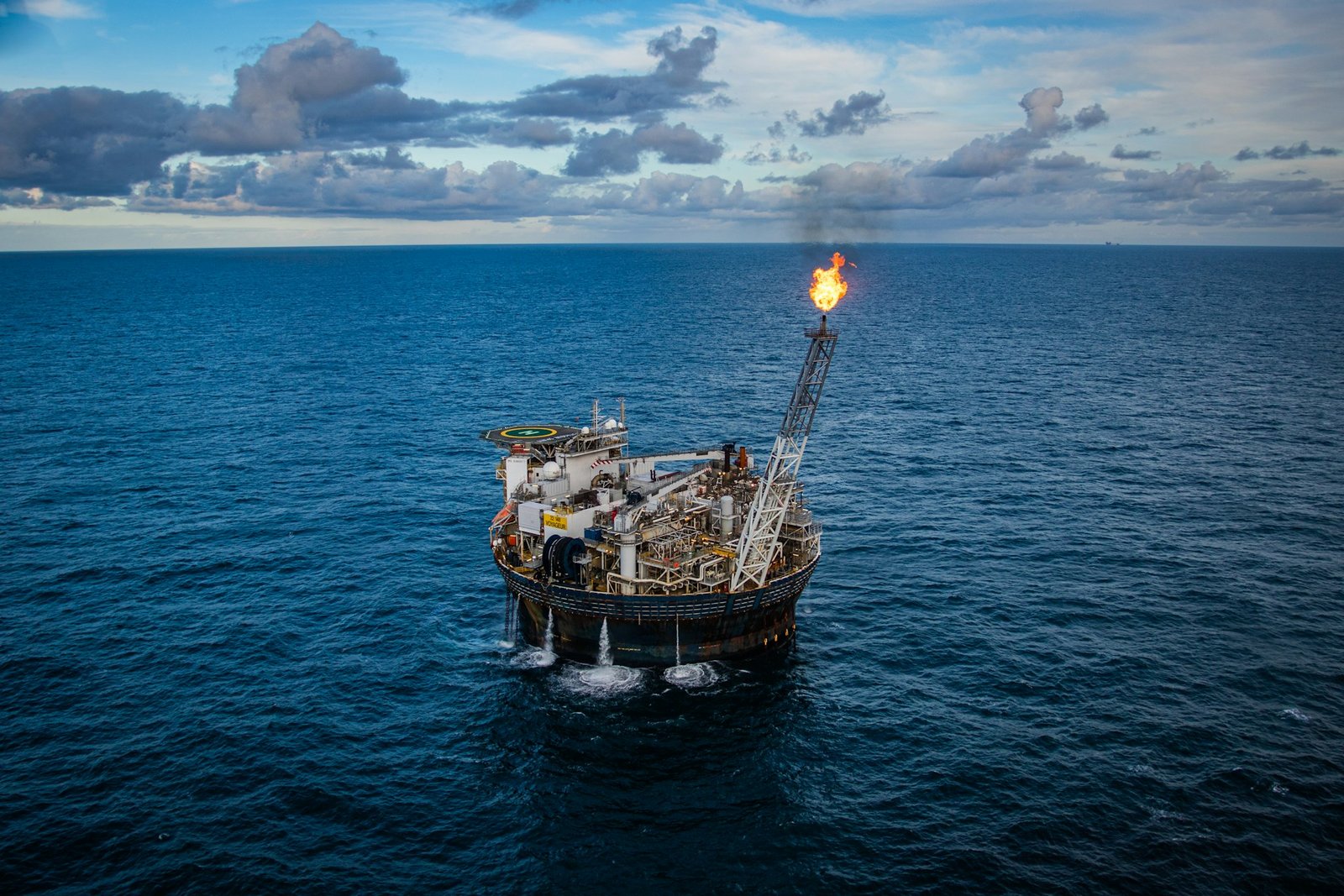
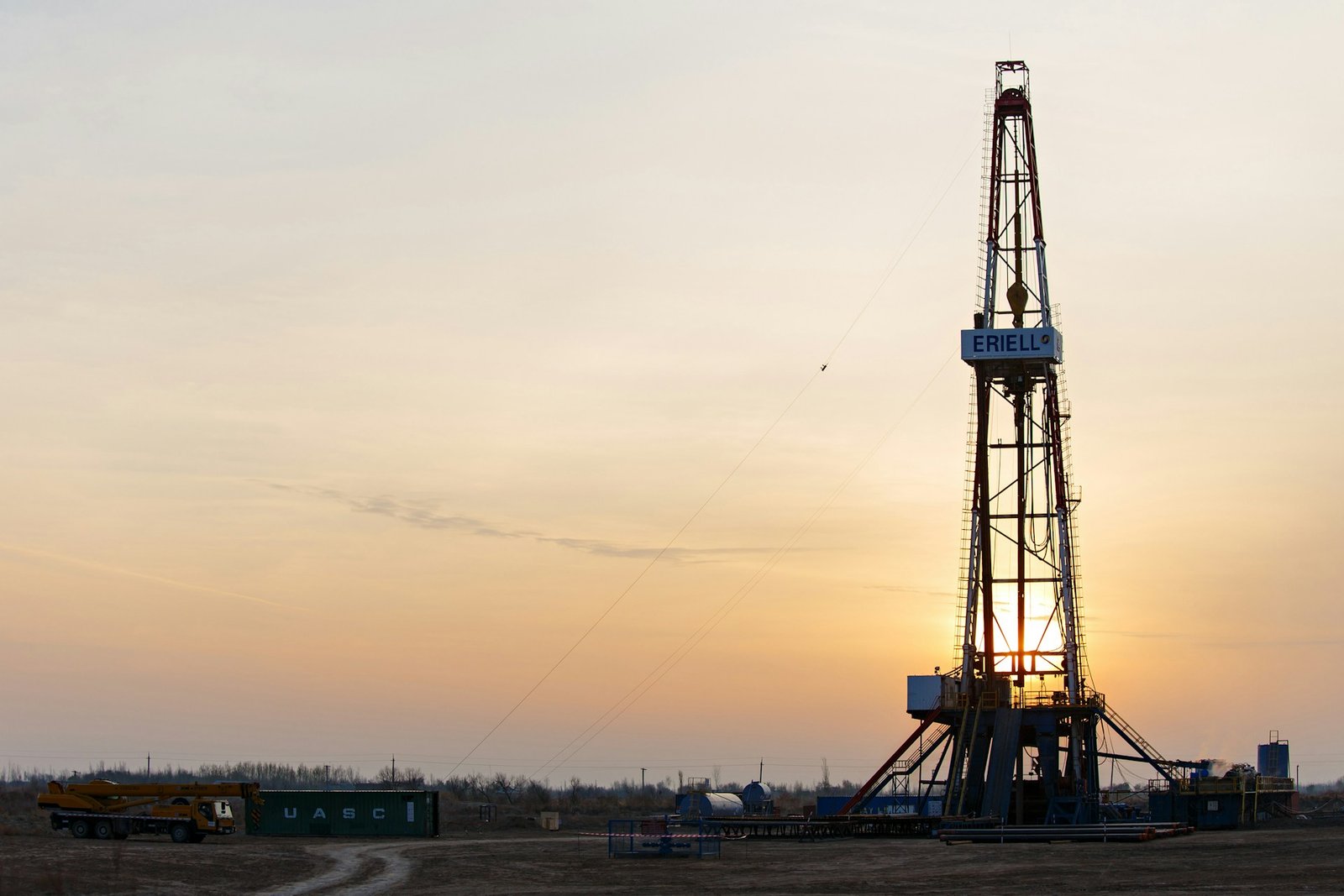
The RBA cited broad-based inflationary pressures, including higher fuel and commodity prices associated with the conflict in the Middle East.
Domestic capacity constraints and increased demand for technology products linked to artificial intelligence have also contributed to rising costs.
According to the central bank, businesses are reporting higher operating expenses, with some passing those increases on to consumers.
Inflation is expected to remain above 3% over the coming year and return to the upper boundary of the RBA’s 2%–3% target range only in late 2027.
Policymakers also expressed concern that prolonged price increases could influence inflation expectations, making it more difficult to return inflation sustainably to target.
Economic Growth and Housing Market Weaken
The rate increase comes as Australia’s economic outlook shows signs of deterioration.
The RBA expects economic growth to slow further, while unemployment is projected to rise more than previously anticipated.
Housing prices have also declined significantly, reflecting pressure from higher borrowing costs and weaker demand.
The central bank acknowledged the challenges facing households and businesses but maintained that containing inflation remains necessary to support longer-term price stability.
The latest decision reflects the RBA’s assessment of inflation risks alongside weaker growth and labor market conditions. Future policy decisions will depend on incoming economic data and the outlook for inflation and employment.