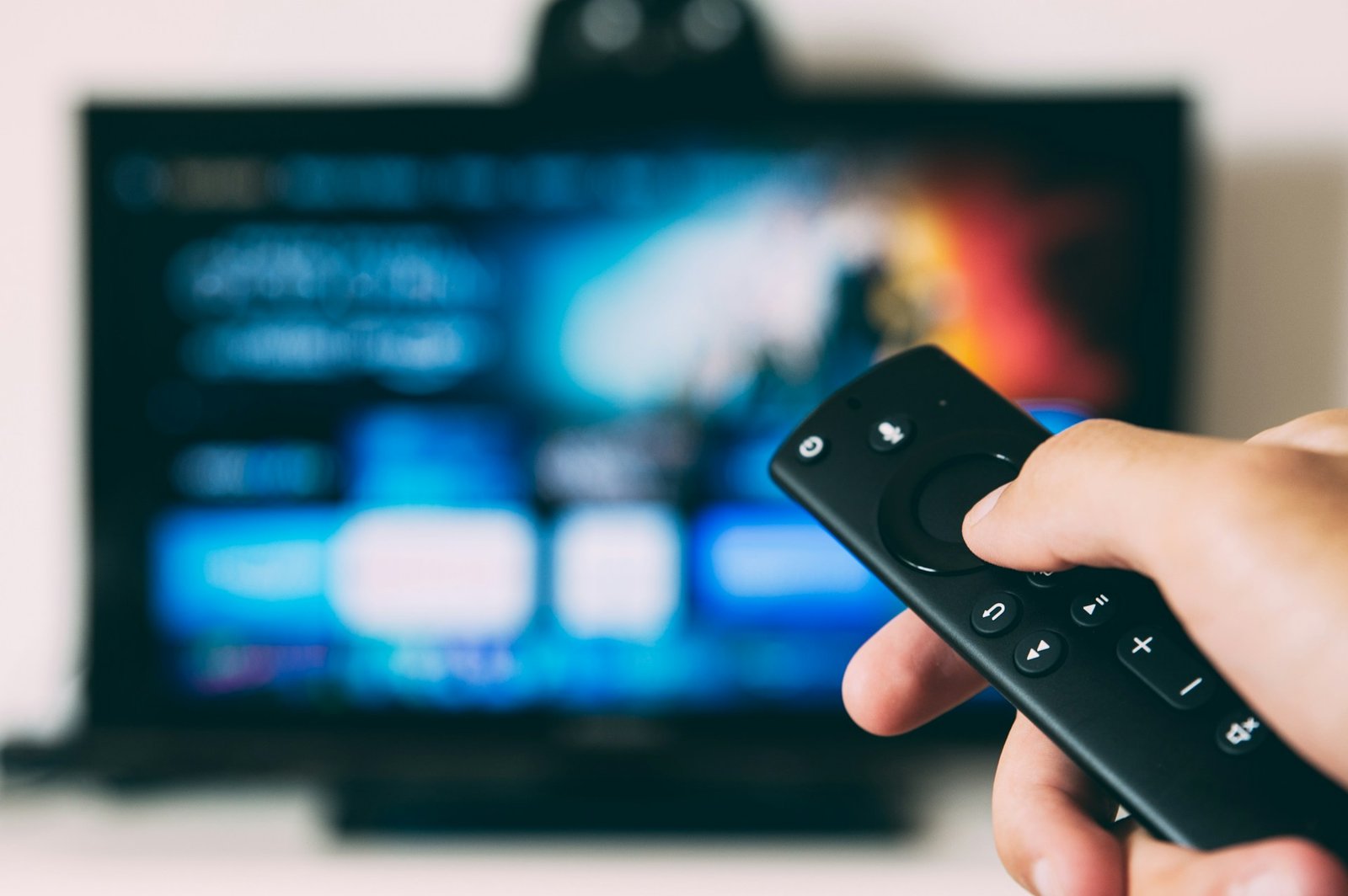

Smart TV owners frustrated with advertising, pre-installed applications and viewing-data collection are turning to artificial intelligence to simplify their devices. Developers are sharing tools that can remove unwanted software, redesign home screens and make television interfaces faster and less cluttered.
The trend was detailed by Sarah Perez in a TechCrunch report published on October 19, 2026. The article describes how AI coding tools are making device customization more accessible to consumers who previously might have needed technical expertise to modify their televisions.
Two projects, dumbtv and cleanyourtv, illustrate the movement. Both aim to give users greater control over their devices by removing unwanted features and prioritizing access to streaming applications and connected devices.
AI Makes TV Customization More Accessible
According to TechCrunch, cleanyourtv was developed by Gathin T. after he became frustrated with advertisements appearing on his parents’ television before they could access Netflix.
The developer used Anthropic’s Claude Code to identify software packages on the TV, disable unwanted applications and create a simpler home screen. He subsequently shared the approach online, where other users began testing similar modifications.
Another project, dumbtv, was developed by Muzzammil Yasin Sabuwala. TechCrunch reported that its creator used a combination of DeepSeek and Anthropic’s Claude models to help build the tool.
The projects target features such as sponsored advertisements, unnecessary applications, sluggish launchers and unwanted tracking. They also allow users to customize the interface around their preferred streaming services and HDMI inputs.
However, the tools remain works in progress, and compatibility can vary across television models and operating systems.
The Business Model Behind Smart TVs
The trend highlights a tension in the connected television market: manufacturers can generate revenue not only by selling hardware but also through advertising and data-driven services.
Modern smart TVs may use Automatic Content Recognition (ACR), a technology that identifies what is displayed on a screen through methods such as image analysis, audio signals and digital fingerprinting. Depending on the device, its settings and the applicable privacy policies, viewing information may be used for analytics or targeted advertising.
The potential impact will depend on whether these modifications spread beyond developers and technically experienced users to a broader consumer audience.
Convenience Comes With Technical Risks
Modifying a television is not without risk. TechCrunch reported that some users encountered problems when AI agents attempted to disable software packages, with at least one user reporting that an Android TV became unusable.
An AI coding agent may misidentify a system component or remove software needed for essential functions. Results can differ between models, and a procedure that works on one device may not work on another.