
Oil prices hovered near $101 a barrel on Monday, October 19, after rising approximately 10% last week as renewed fighting in the Middle East intensified concerns about global energy supplies.
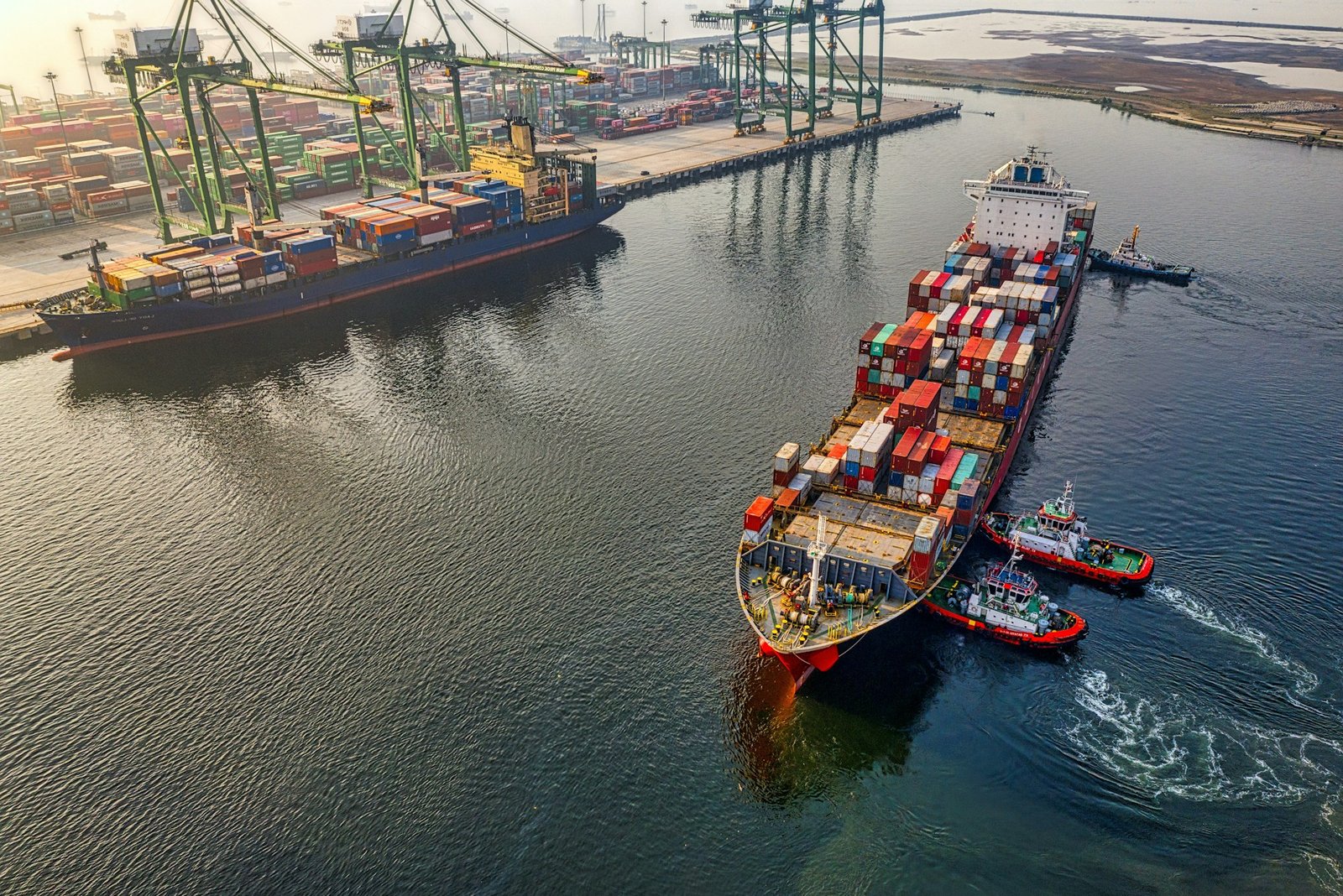
U.S. benchmark West Texas Intermediate (WTI) traded near $101.09 a barrel, while Brent crude remained above $108. The benchmarks retreated from recent highs as investors took profits, although supply risks continued to support prices. Crude flows through the Gulf have faced significant disruption amid attacks on vessels transiting the Strait of Hormuz.
Attacks Threaten the Recovery in Oil Exports
Recent incidents have raised doubts about whether regional oil shipments can recover sustainably. A Saudi military helicopter reportedly crashed near the Yemen border, killing two crew members, while Houthi attacks and reports of tanker strikes added to concerns about the security of energy infrastructure and shipping routes.
The Strait of Hormuz is a critical route for global energy trade. Disruptions there can restrict the movement of crude oil and refined products, increasing transportation costs and the risk of shortages.
U.S. Energy Secretary Chris Wright said Gulf shipments had recovered to around 80% of pre-conflict levels, although refined-product exports remained constrained, according to Trading Economics.
Russian Diesel Deal Faces Political Opposition
U.S. President Donald Trump said Washington had agreed to a diesel export deal with Russia and waived certain tariffs and sanctions on Russian energy shipments as part of efforts to support peace talks over Ukraine.
The prospect of additional Russian supplies could help ease pressure on fuel markets. However, U.S. lawmakers have introduced legislation aimed at blocking the purchases, creating uncertainty over whether the agreement will proceed as described.
The potential increase in Russian fuel exports comes as geopolitical risks threaten supplies from the Middle East, leaving markets to weigh the possibility of additional barrels against the risk of further disruptions.
Supply Risks Keep Prices Elevated
Oil prices are being driven by competing forces: expectations of additional fuel supplies from Russia and the possibility of further disruption to shipments from the Gulf.
If shipping routes remain unsafe or exports are further constrained, crude prices could face renewed upward pressure. Conversely, a sustained recovery in regional flows and additional fuel supplies could help moderate prices.
For energy markets, the durability of the recovery in Gulf exports and the implementation of the Russian diesel agreement remain key factors to watch.