
U.S. stock futures moved lower Monday as renewed tensions between the United States and Iran pushed oil prices higher, adding to inflation concerns and strengthening expectations that the Federal Reserve could raise interest rates in September.
Futures tied to the S&P 500 fell about 0.2%, while Nasdaq 100 and Dow futures also traded modestly lower in early trading. The moves followed losses at the end of last week.
Oil Climbs as U.S.-Iran Hostilities Resume
Energy prices moved sharply higher after Washington and Tehran exchanged strikes for the first time in roughly a month.
U.S. forces struck Iranian rocket launchers on Larak Island near the Strait of Hormuz, while Iran said it retaliated against U.S. military facilities in Jordan. Brent crude climbed more than 3% to above $91 a barrel, while West Texas Intermediate traded above $86.
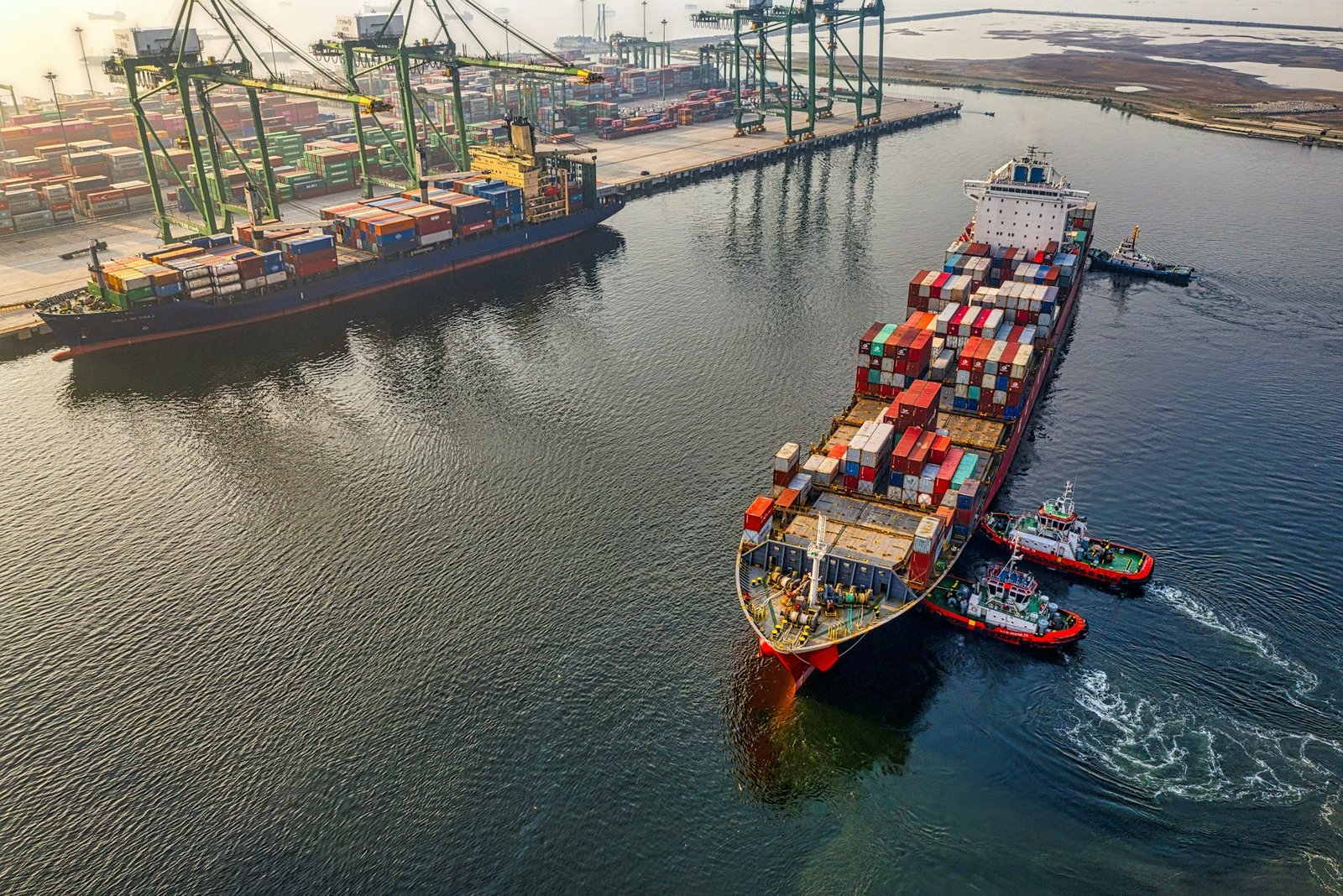
The renewed escalation has brought the Strait of Hormuz back into focus. Shipping activity through the waterway has remained disrupted during the conflict, making developments in the region an important factor for global energy supply and prices.
Fed Rate Expectations Shift
Higher energy prices come as investors are already reassessing the U.S. interest-rate outlook following Federal Reserve Chair Kevin Warsh’s comments at Jackson Hole.
Market pricing showed the probability of a September rate increase rising to around 60%, compared with roughly 34% before Warsh’s remarks, according to swaps data compiled by Bloomberg.
Long-term Treasury yields remained elevated, with the 10-year yield trading around 4.7%. Higher borrowing costs weighed on rate-sensitive parts of the equity market.
Technology and financial shares were mixed in premarket trading as investors assessed the combination of energy prices, inflation and interest rates. Nvidia was among the notable technology stocks trading higher before the opening bell.
Attention now turns to U.S. employment data due later this week, including Friday’s jobs report, which will provide another reading on labor-market conditions ahead of the Federal Reserve’s September policy meeting.