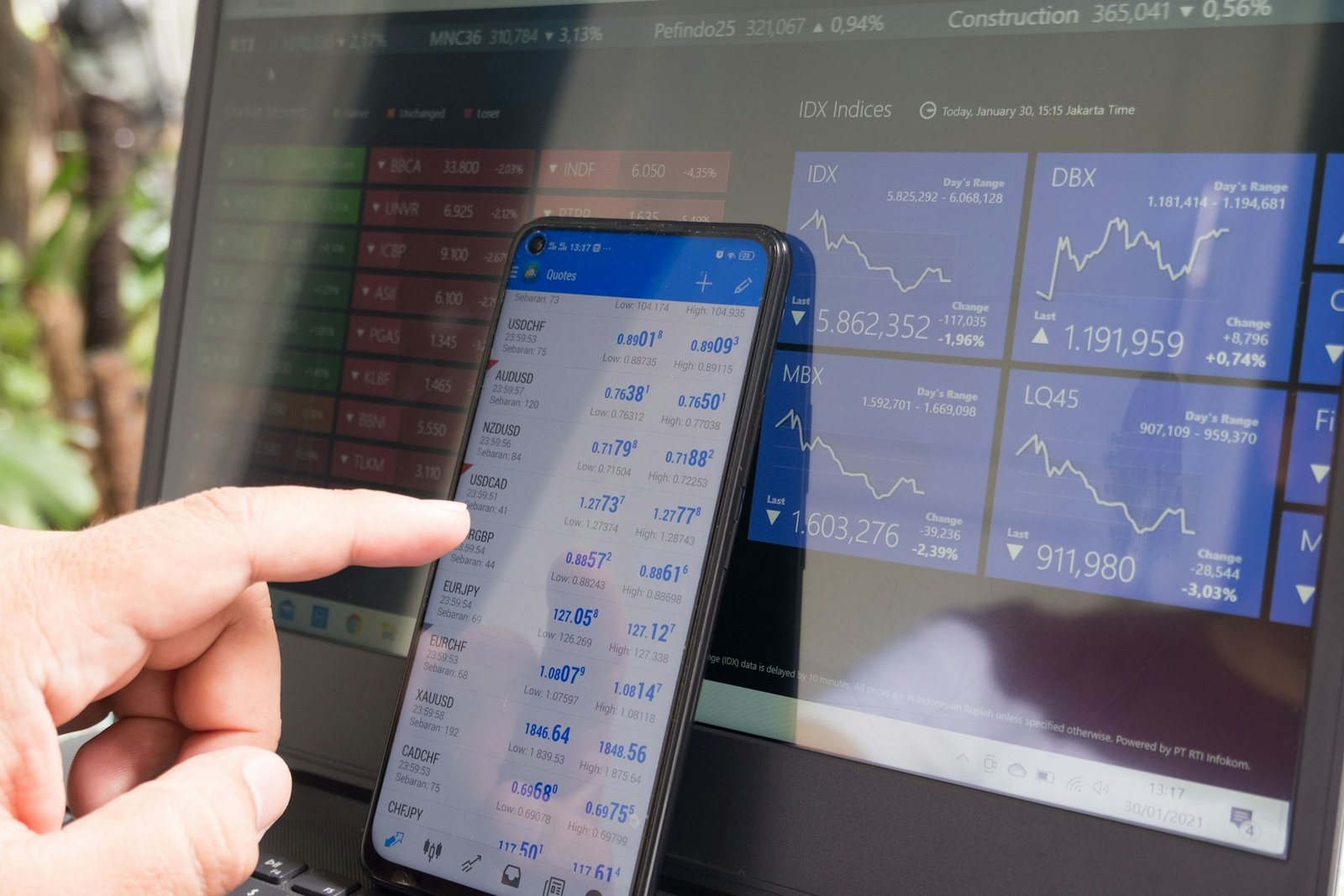

US stock futures moved lower on Monday as renewed geopolitical tensions in the Middle East weighed on sentiment and pushed oil prices higher during the first day of negotiations between the United States and Iran.
Markets reacted after President Donald Trump threatened additional military action if Hezbollah continues attacks against Israel and warned Iran against any renewed attempt to close the Strait of Hormuz, a critical route for global energy shipments.
Iranian state media later reported that Tehran had suspended negotiations in response to Trump’s remarks. However, sources familiar with the discussions indicated that talks remained ongoing, suggesting diplomatic efforts had not been abandoned despite the heightened rhetoric.
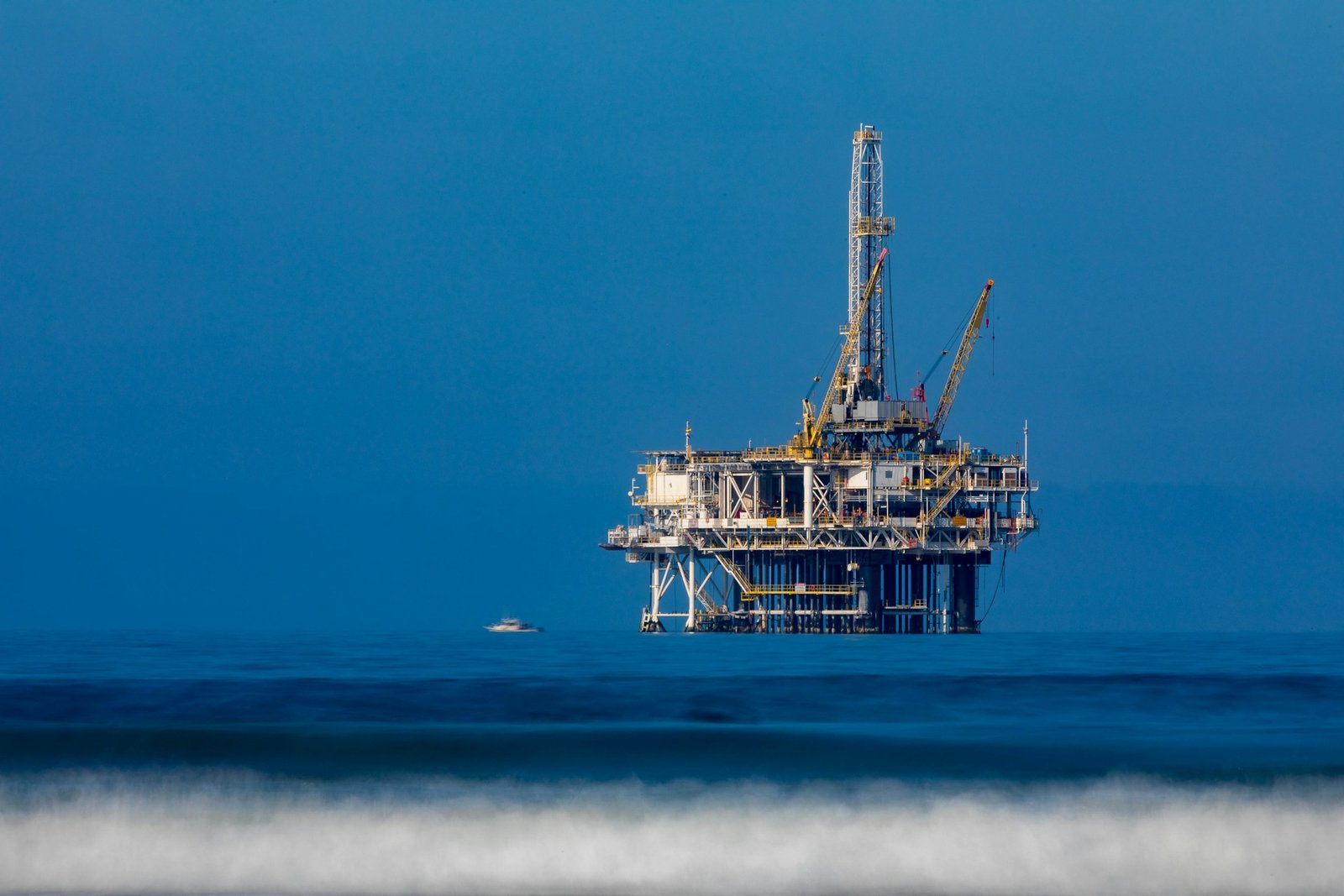
The rise in oil prices added to investor caution as traders assessed the potential implications of any escalation in regional tensions for global energy markets and inflation.
Attention is also turning to the release of the US Personal Consumption Expenditures (PCE) Price Index later this week, the Federal Reserve’s preferred measure of inflation. The data is expected to provide additional insight into the trajectory of price pressures and the outlook for monetary policy.
Last week, the Federal Reserve left interest rates unchanged but adopted a more hawkish tone. Updated projections showed that nearly half of Federal Open Market Committee (FOMC) members now expect at least one additional rate increase before the end of the year, signaling continued concerns about inflation despite recent signs of moderation.
Major US equity indexes nevertheless finished last week in positive territory. The technology-heavy Nasdaq Composite led gains, advancing 2.43%, while the S&P 500 rose 0.93% and the Dow Jones Industrial Average added 0.71%.