
U.S. stock futures surged Monday after the United States and Iran announced an agreement to end hostilities and restore energy exports through the Middle East, fueling a broad rally across global financial markets.
Futures tied to the S&P 500 advanced 1.3%, while Nasdaq 100 futures climbed 2%. Dow Jones Industrial Average futures gained 1% as investors welcomed signs of easing geopolitical tensions and improving conditions for global trade and energy flows.
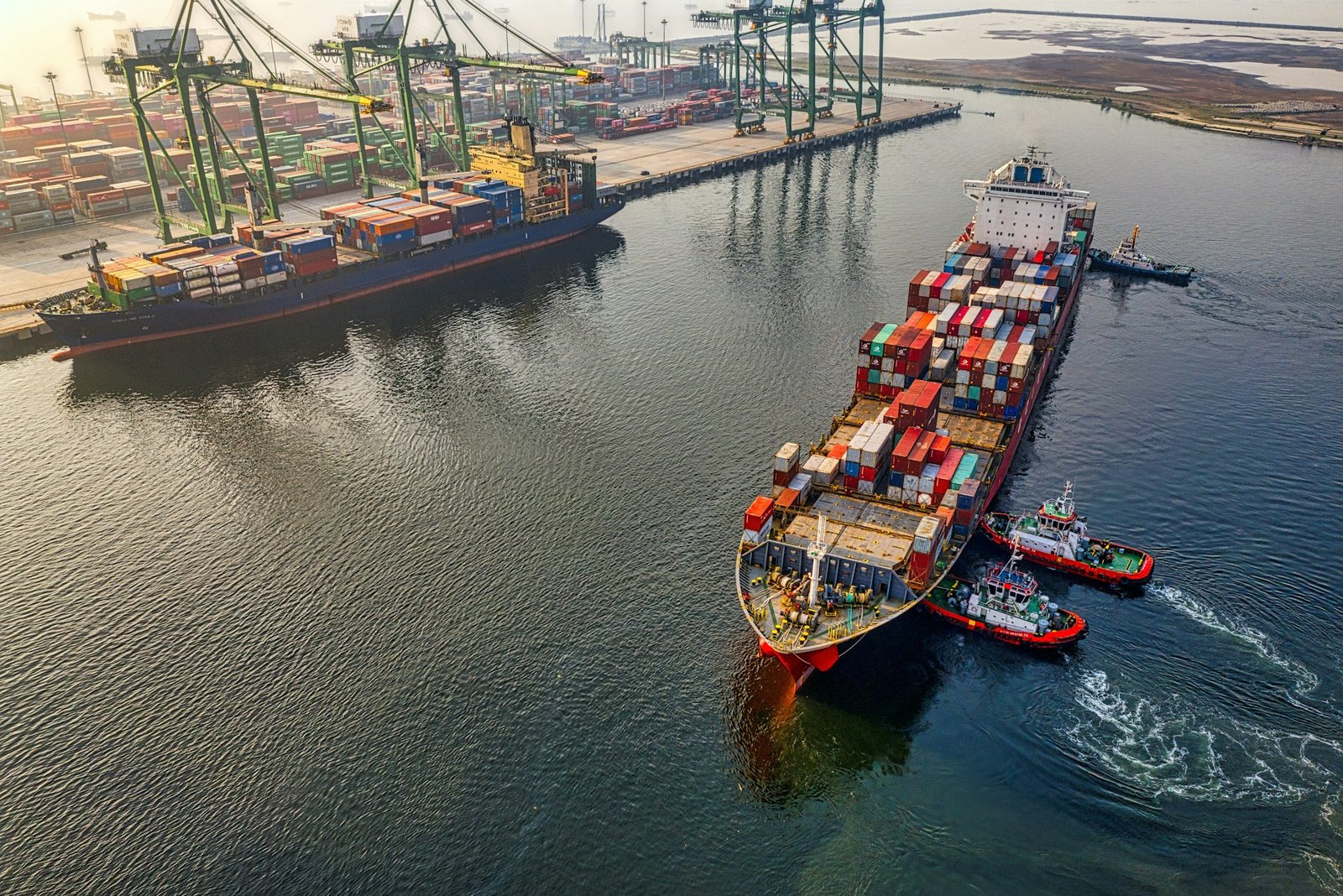
The agreement, expected to be formally signed on Friday, includes plans to reopen the Strait of Hormuz, one of the world’s most critical oil transit routes. Reports indicate Iran will begin clearing mines from the waterway while naval restrictions affecting regional exports are set to be lifted.
The development helped push oil prices lower, with U.S. crude falling sharply as concerns over supply disruptions eased. Treasury yields also declined, improving financial conditions and supporting demand for risk assets.
Technology stocks led gains in premarket trading. Nvidia, Amazon, and Oracle each rose about 2%, reflecting renewed investor confidence in growth-oriented sectors and companies tied to artificial intelligence infrastructure.
SpaceX shares gained an additional 6% before the opening bell after surging roughly 20% during their first trading session following the company’s record-setting initial public offering.
Semiconductor manufacturers also extended recent advances as continued capital investment in artificial intelligence and data-center infrastructure boosted expectations for future demand across the sector.
Meanwhile, defensive sectors underperformed as investors rotated into higher-growth assets, highlighting a broader shift in market sentiment following the geopolitical breakthrough.
The agreement between Washington and Tehran marks a significant development for global energy markets, as it provides a framework for the reopening of the Strait of Hormuz, a maritime corridor that handles roughly one-fifth of global oil shipments.
Attention is now shifting to the implementation of the agreement and the timeline for restoring commercial traffic through the waterway, developments that could influence energy prices, shipping activity, and broader market sentiment in the coming weeks.