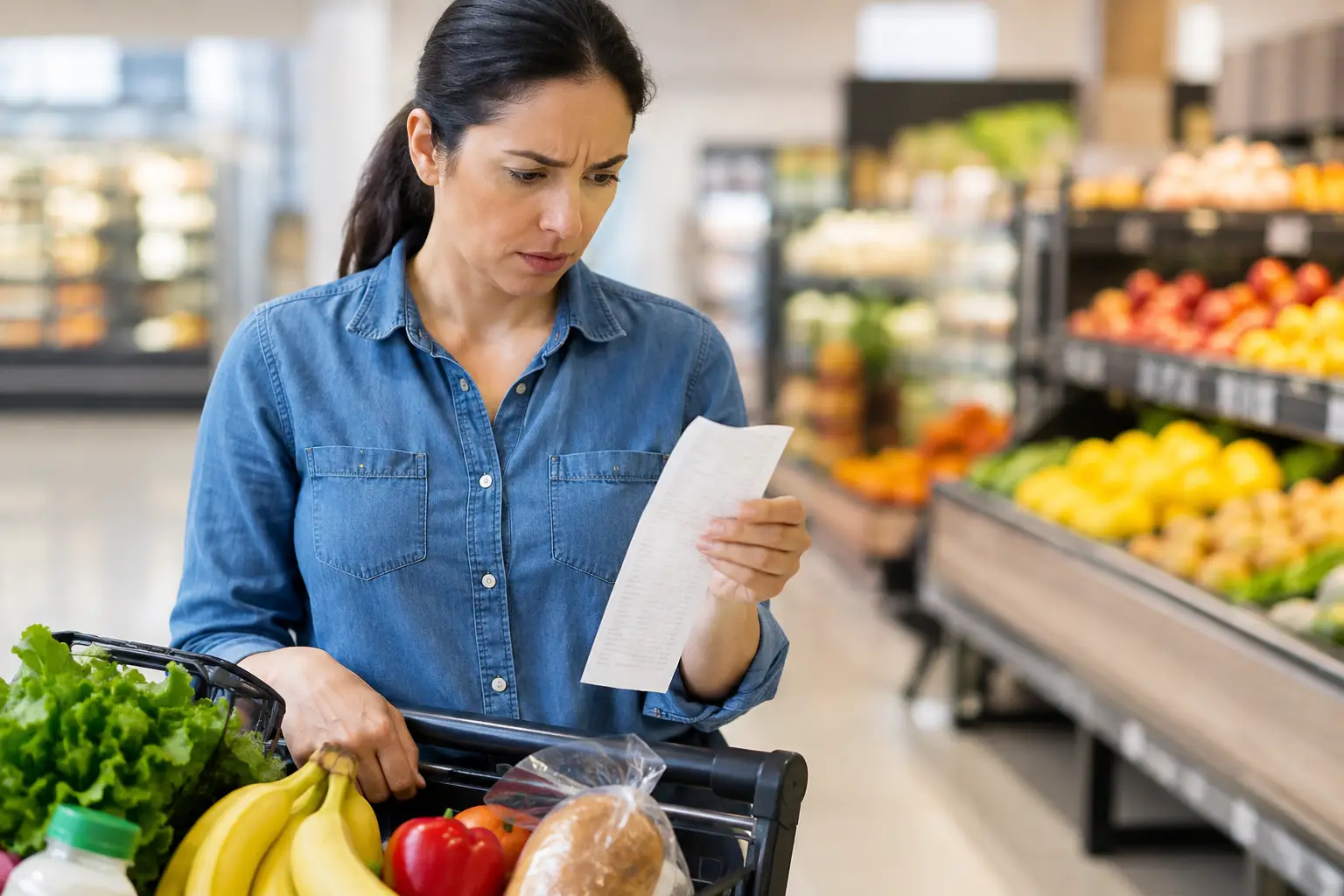

The United Nations’ Food and Agriculture Organization (FAO) reported that its Food Price Index slipped 0.2% to 130.8 points in May 2026, down from a revised 131.0 points in April, which marked the highest reading since January 2023.
Despite the modest decline in the overall index, several major food commodities recorded significant price increases, highlighting ongoing concerns about global food supply and production costs.
Cereal prices rose 2.6% during the month, reaching their highest level since June 2024. According to the FAO, prices increased across all major grain categories, with wheat extending its rally for a fourth consecutive month.
The rise in wheat prices was driven by lower-than-expected harvest forecasts among major exporting countries, including the United States. Elevated fuel and fertilizer costs also continued to exert upward pressure on agricultural production worldwide.
Sugar prices recorded one of the sharpest increases, climbing 7.5% in May. The FAO attributed the surge primarily to growing concerns over tightening global sugar supplies in the coming months, raising expectations of reduced availability in international markets.
Meat prices increased marginally by 0.1%, supported by higher quotations for bovine and ovine meat products.
Meanwhile, other categories helped offset some of the upward pressure. Dairy prices declined 0.5%, falling to their lowest level since January 2024. Vegetable oil prices dropped 4.6%, driven largely by lower prices for palm and soybean oils, which more than compensated for gains in rapeseed and sunflower oil markets.
The latest figures suggest that while overall food inflation remains relatively stable at the global level, supply-side constraints and higher production costs continue to affect critical agricultural commodities. Market participants are closely monitoring weather conditions, energy prices, fertilizer markets, and harvest forecasts as key factors that could influence food prices during the second half of 2026.
Source: Food and Agriculture Organization of the United Nations (FAO).