
WTI crude futures climbed above $101 per barrel on Tuesday, extending gains from the previous session as geopolitical tensions between the United States and Iran intensified, reigniting concerns over the stability of global oil supply routes.
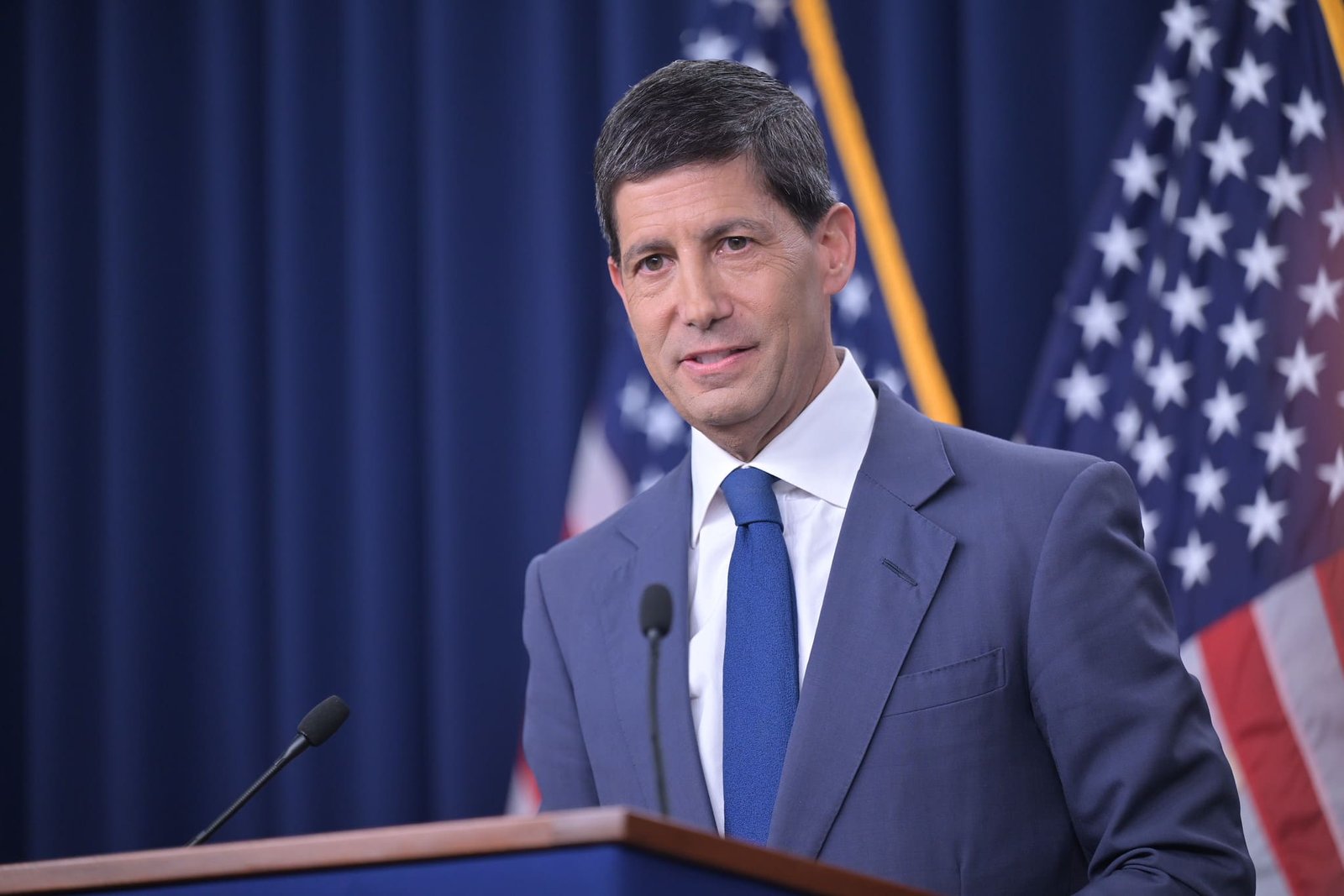
The sharp move followed comments from U.S. President Donald Trump, who stated that the US-Iran ceasefire was on “massive life support” after dismissing Tehran’s latest peace proposal.
The remarks heightened market fears that the Strait of Hormuz — one of the world’s most critical maritime chokepoints for oil transportation — could remain effectively restricted for an extended period.
According to international reports, Iran has reportedly demanded an end to the U.S. naval blockade and partial sanctions relief while seeking to maintain some authority over traffic passing through the strategic shipping corridor.
The developments immediately fueled a renewed geopolitical risk premium across global energy markets.
Markets Brace for Possible Military Escalation
Additional reports suggested President Trump is expected to meet with his national security team to evaluate a potential return to military operations in the region.
At the same time, discussions have reportedly resumed around the possibility of U.S.-led naval escorts for commercial vessels traveling through Hormuz, further increasing concerns over regional instability and the security of global energy flows.
Analysts warn that any prolonged disruption in the Strait of Hormuz could significantly impact inflation, shipping costs, industrial production, and broader financial markets worldwide.
Saudi Aramco Warns of Major Supply Losses
Amin Nasser, CEO of Saudi Aramco, warned that global markets are currently losing approximately 100 million barrels of supply each week due to ongoing disruptions.
Nasser added that if the situation persists, market normalization may not occur until next year, increasing the risk of prolonged volatility across the global energy sector.
The comments reinforced growing concerns among traders and institutional investors that geopolitical tensions are beginning to create structural pressure on oil supply chains.
Inflation Risks Return to the Spotlight
The surge in crude prices is also reviving fears of a renewed global inflationary cycle, particularly for economies heavily dependent on imported energy.
Beyond fuel prices, rising oil costs could place additional pressure on transportation, manufacturing, food production, and monetary policy decisions across major economies.
Global investors are now closely monitoring diplomatic and military developments in the Middle East as energy markets remain highly sensitive to any further escalation involving the Strait of Hormuz.