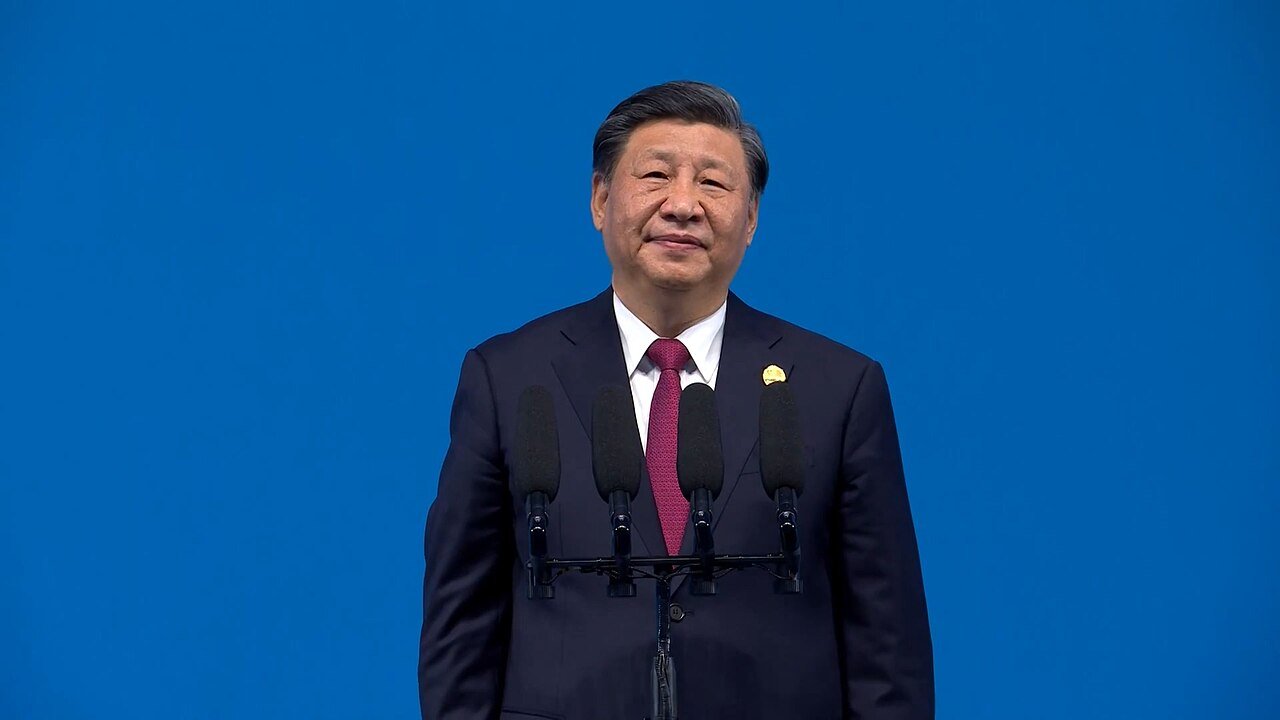

China officially confirmed that U.S. President Donald Trump will visit Beijing from May 13 to May 15 for a high-level summit with Chinese President Xi Jinping, according to China’s state news agency Xinhua News Agency, citing a spokesperson for the Chinese Ministry of Foreign Affairs.
The event marks the first U.S. presidential visit to China in nearly nine years.
Xi Jinping’s government had been cautious about moving forward with the visit until the Iran conflict — now entering its third month — showed signs of resolution. Beijing had also refrained from publicly confirming or commenting on the previously delayed April trip by U.S. President Donald Trump, consistent with China’s longstanding practice of announcing travel plans involving top leaders only days in advance for security reasons.
The summit is expected to address several strategically sensitive issues shaping the future of U.S.-China relations, including trade, technology, national security, and geopolitical coordination.
Rare Earths, Taiwan, AI, and Energy Security on the Agenda
According to Bloomberg, key discussion topics will include Chinese rare earth exports, Taiwan, artificial intelligence safety frameworks, and potential Chinese cooperation related to the ongoing tensions surrounding the Strait of Hormuz.
The rare earth sector remains particularly critical for Washington, as the materials are essential for semiconductors, defense systems, electric vehicles, and advanced technology manufacturing.
Meanwhile, discussions involving Taiwan and AI governance are expected to reflect growing strategic competition between the world’s two largest economies.
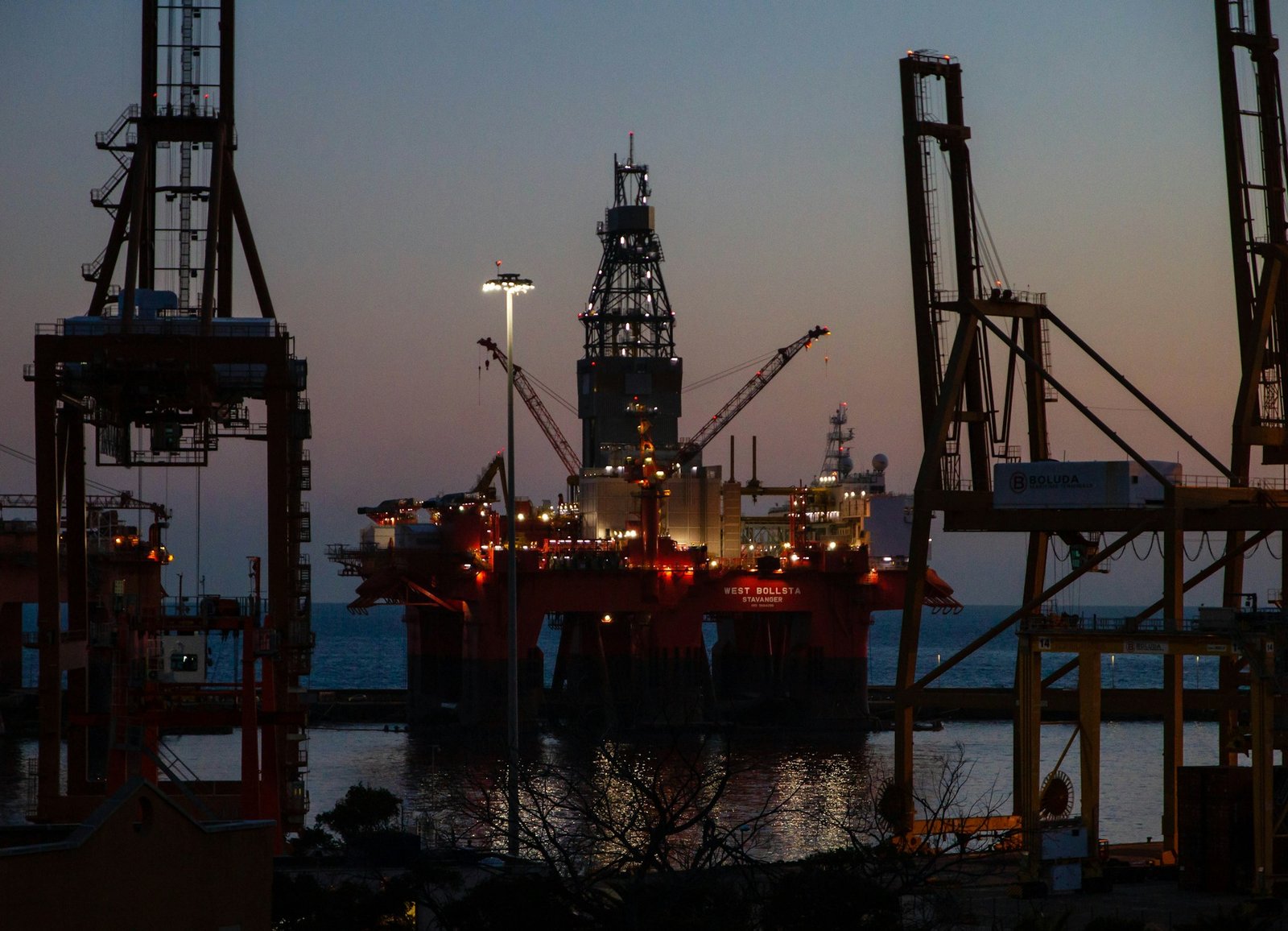
Energy security and maritime stability are also expected to play a major role in the talks as global markets remain highly sensitive to disruptions in the Middle East and potential threats to oil transportation routes.
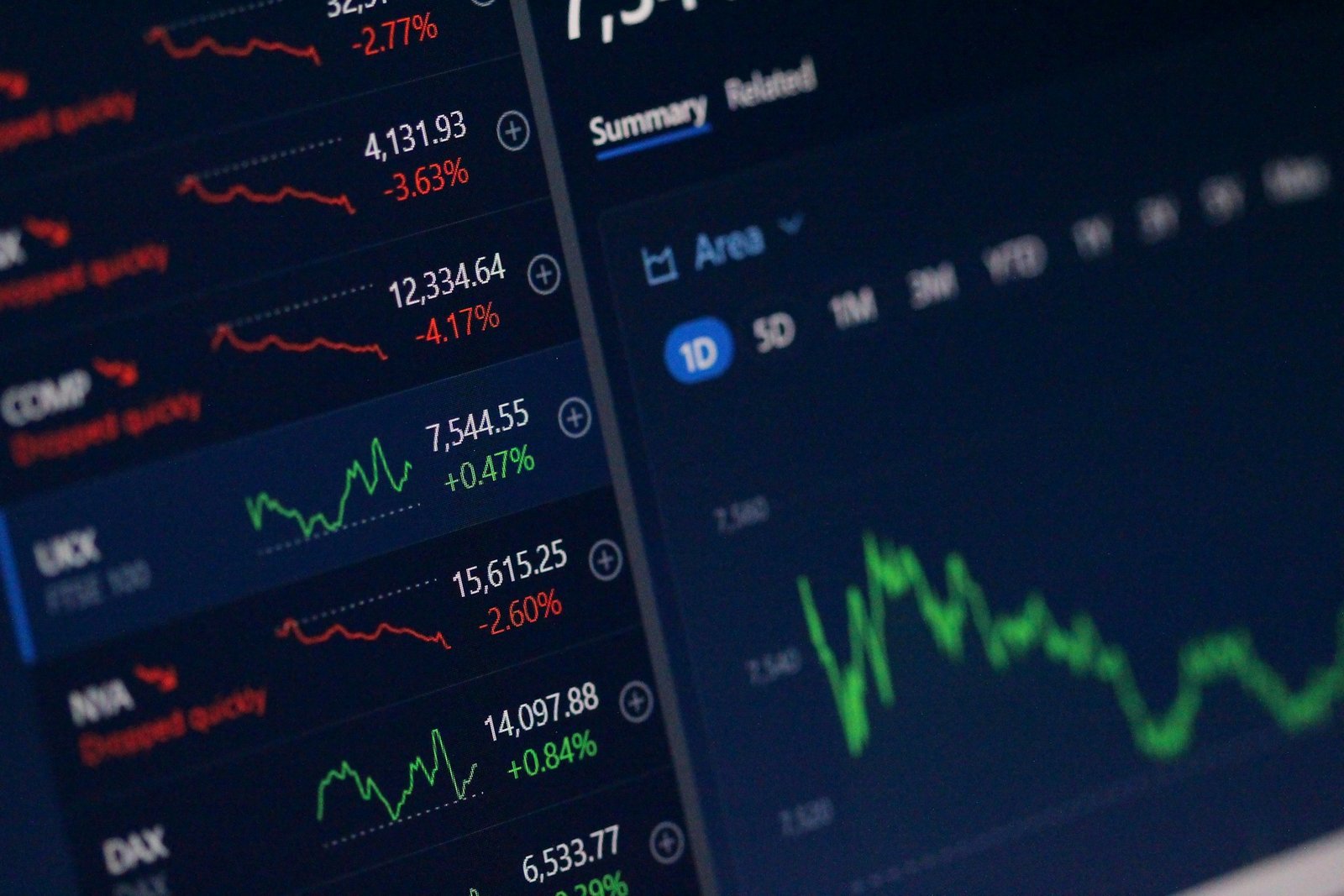
The meeting also comes at a time when global markets are navigating heightened volatility driven by Middle East tensions, inflation concerns, and strategic competition between major powers.