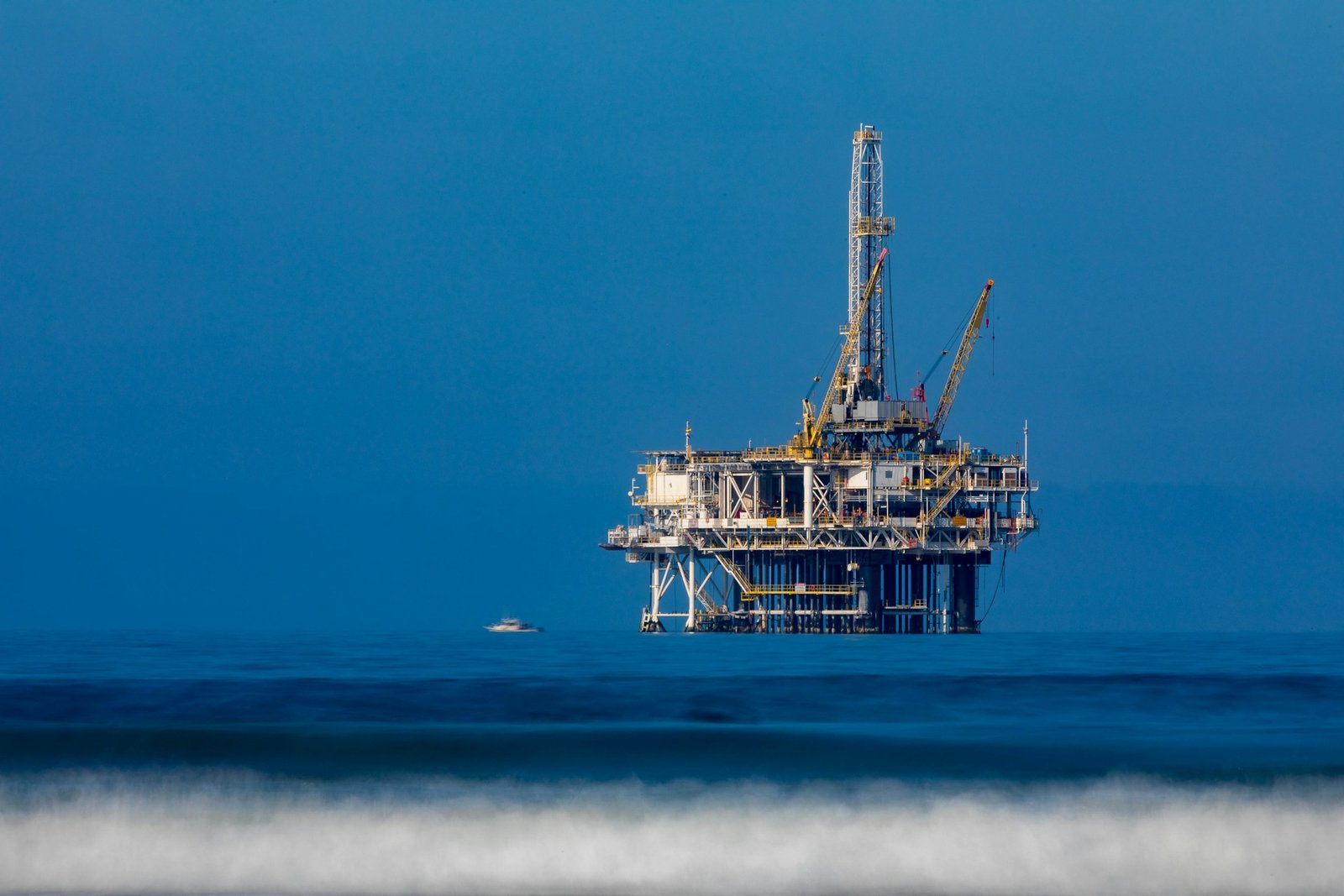

The United Arab Emirates has announced plans to withdraw from the OPEC, marking a significant strategic shift that could reshape global oil production and pricing dynamics over the longer term.
According to reports from Reuters and other international outlets, the UAE intends to gradually increase crude oil output independently, stepping away from OPEC’s coordinated production framework.
Limited Immediate Impact Amid Hormuz Disruptions
Despite the long-term implications, the immediate market impact is expected to remain constrained. Ongoing tensions tied to the Iran blockade of the Strait of Hormuz continue to restrict the UAE’s ability to export oil efficiently.
The Strait of Hormuz—a critical corridor for global energy flows—remains partially disrupted, limiting the near-term effect of any increase in UAE production capacity.
Strategic Implications for Global Oil Supply
OPEC’s 12 member countries collectively control more than 80% of the world’s proven oil reserves, underscoring the strategic weight of the UAE’s decision.
By exiting the group, the UAE gains flexibility to adjust output in response to market conditions, potentially allowing it to capture market share and respond more dynamically to price signals.
However, the move also raises questions about the cohesion of OPEC and its ability to coordinate supply effectively in an increasingly fragmented geopolitical environment.
Outlook: Fragmentation and Flexibility in Energy Markets
The UAE’s departure highlights a broader shift toward national energy strategies that prioritize flexibility over coordinated control. While the immediate effects may be muted due to ongoing regional disruptions, the longer-term implications could be significant for both supply dynamics and price formation.
Market participants are likely to monitor how quickly the UAE scales production independently and whether other producers reconsider their alignment within OPEC.