
Crude oil prices surged beyond the $100-per-barrel mark late Sunday after the United States indicated it would move forward with a naval blockade targeting Iranian ports, escalating tensions in the Middle East and heightening fears of supply disruptions.
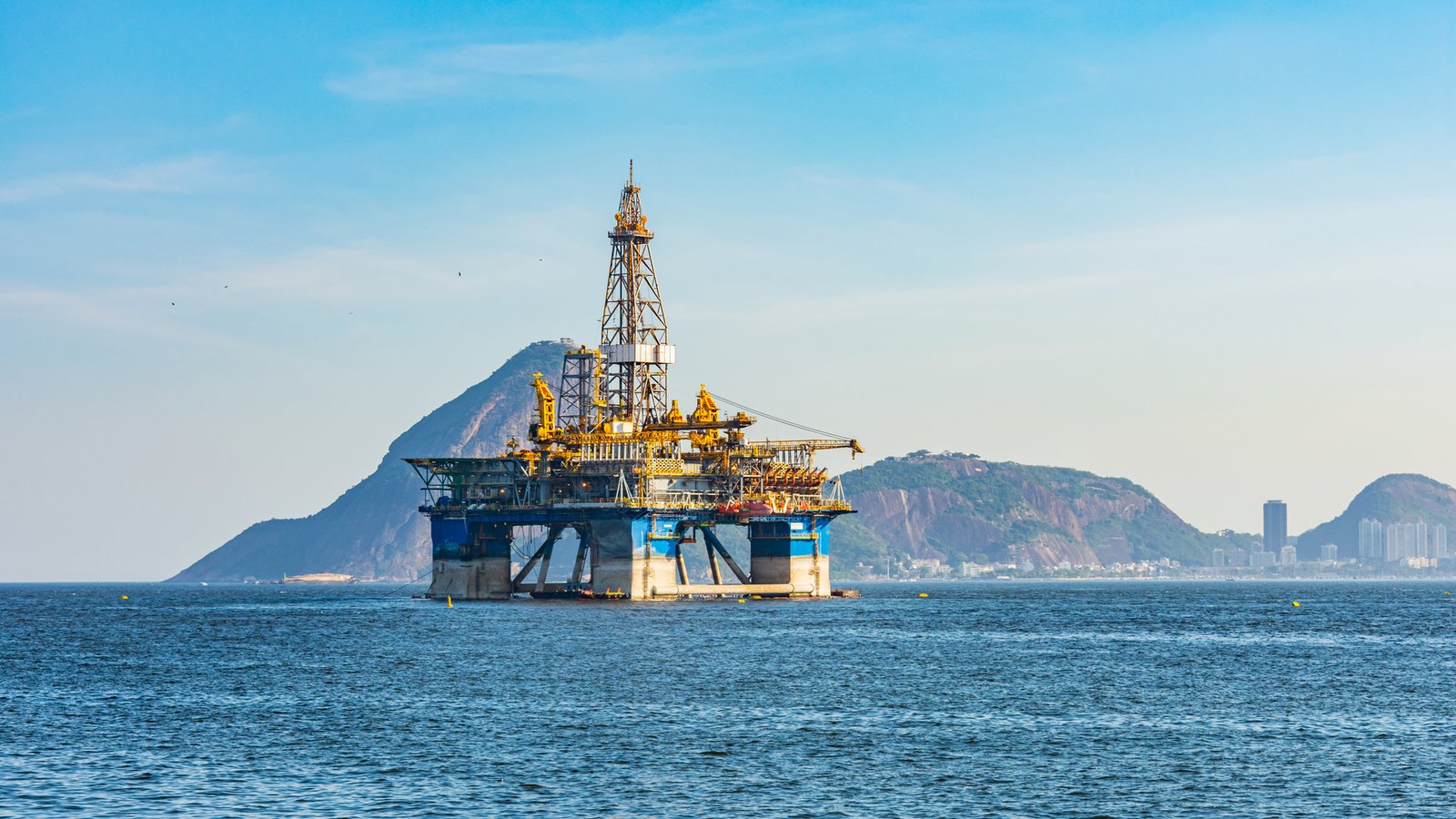
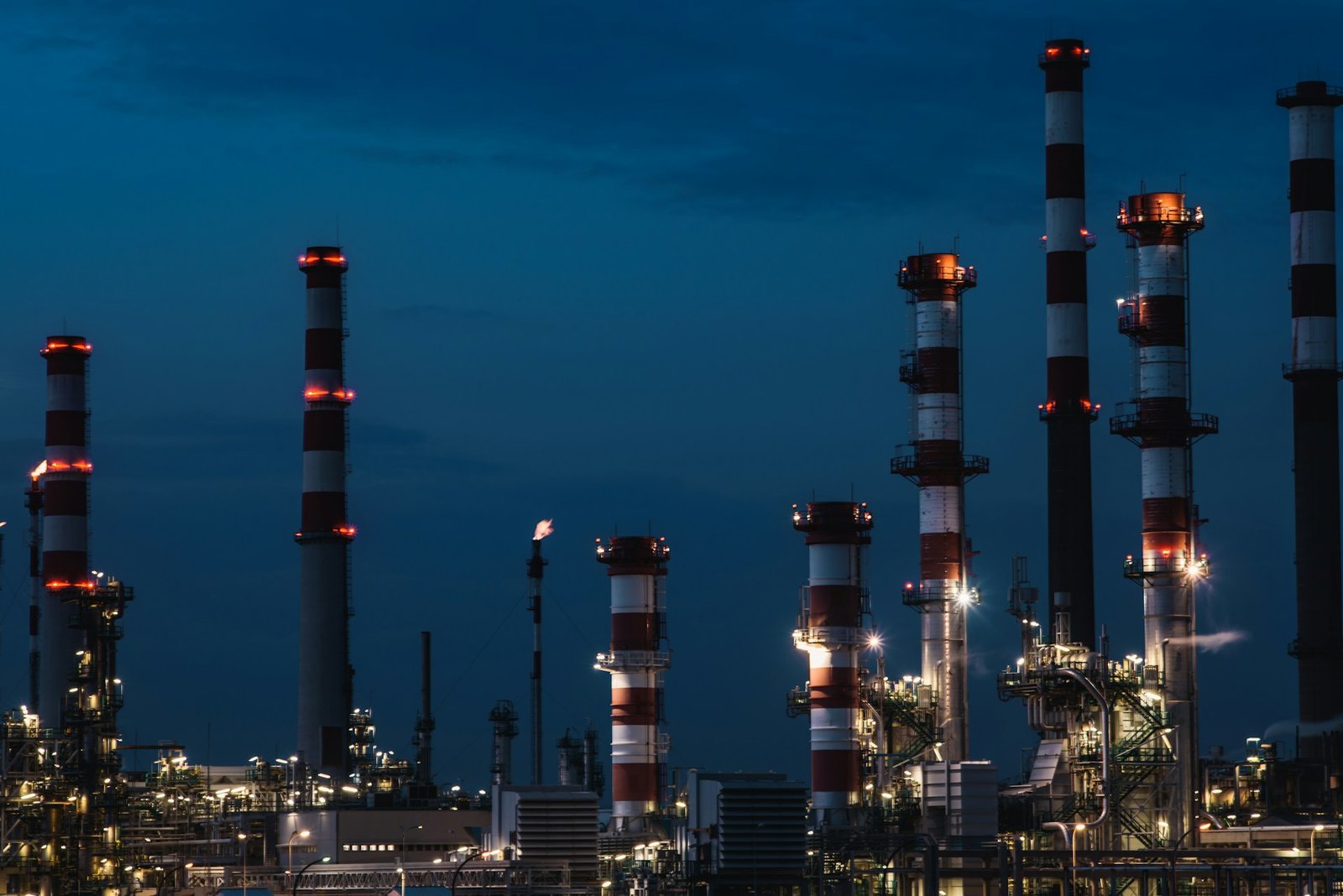
Global benchmark Brent crude rose more than 7% to trade near $102 per barrel, while U.S. West Texas Intermediate (WTI) advanced over 8%, approaching $104. The sharp move underscores how quickly geopolitical developments can reshape energy markets already operating under tight supply conditions.
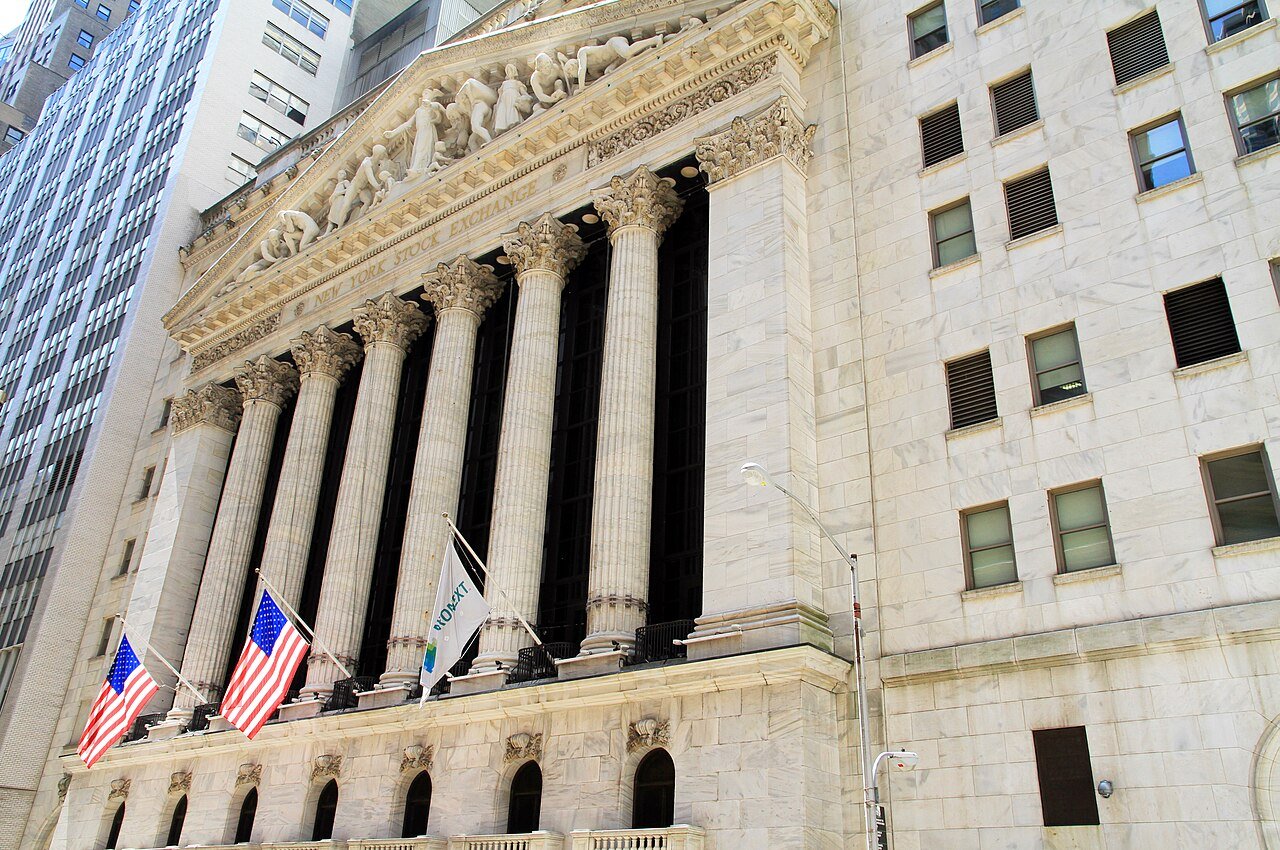
The spike in oil triggered a risk-off tone across financial markets. Futures linked to major U.S. indices, including the Dow Jones Industrial Average, S&P 500, and Nasdaq Composite, pointed to a weaker open, reflecting investor concerns about inflation and economic spillovers.
Diplomatic Breakdown Fuels Tensions
The escalation follows the collapse of high-stakes negotiations between U.S. and Iranian representatives held in Pakistan. Talks, led by Vice President JD Vance, failed to produce a deal after disagreements over nuclear-related commitments and strategic control issues.
While U.S. officials pointed to Iran’s unwillingness to accept key terms, Iranian state media framed the negotiations as unbalanced, citing what it described as excessive demands from Washington—particularly around uranium enrichment and regional authority.
Washington Moves Toward Maritime Action
President Donald Trump announced that U.S. naval forces would begin restricting maritime access to Iranian ports, signaling a significant shift toward direct enforcement measures.
The United States Central Command confirmed that operations are expected to begin imminently, with naval assets already deployed to the region. Initial efforts have focused on securing shipping lanes, including mine-clearing operations to ensure navigational safety.
Support from allied nations, including the United Kingdom, is anticipated as part of a broader effort to maintain maritime security.
Pressure Builds Around Key Energy Corridor
At the heart of the situation lies the Strait of Hormuz, a narrow but essential route through which a substantial share of the world’s oil and gas shipments pass. Any sustained disruption in this corridor has the potential to significantly tighten global supply.
Although a recent ceasefire had provided temporary stability, the prospect of a blockade raises concerns about longer-term constraints on tanker movements, particularly those linked to Iranian exports.
Oil’s move back above $100 comes amid heightened geopolitical tensions, with energy prices reacting sharply to developments in the Middle East.
Futures tied to major U.S. indexes moved lower following the announcement, while market participants monitored potential impacts on global supply flows.
Attention now turns to the implementation of the blockade and any official responses from Iran, as well as further updates from the United States Central Command and statements from President Donald Trump.