

Meta has introduced Muse Spark, its first large language model developed under its newly formed Superintelligence Labs, marking a shift in the company’s artificial intelligence strategy as competition intensifies across the sector.
The launch comes as Meta works to narrow the gap with leading AI developers including OpenAI, Google, and Anthropic.
Shift Toward Closed-Source Development
Muse Spark is a closed-source model, departing from Meta’s earlier approach of releasing open-weight systems such as its Llama series.
The move aligns Meta more closely with peers that have prioritized proprietary models, which can offer greater control over deployment and commercialization.
Repositioning After Earlier AI Efforts
The release follows mixed reception to Meta’s previous AI models. In response, the company expanded its AI efforts, including the hiring of Alexandr Wang to lead its Superintelligence Labs.
The new model reflects a broader push to accelerate development and improve performance across Meta’s AI systems.
Focus on Distribution Across Platforms
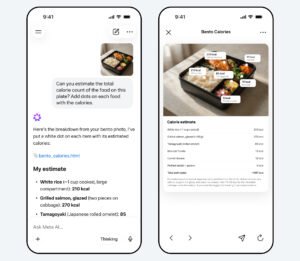
Muse Spark is expected to be integrated across Meta’s core products, including Instagram, Facebook, WhatsApp, Messenger, and Threads.
This distribution gives Meta access to a large global user base, potentially accelerating adoption compared with standalone AI platforms.
Integration Across Products and Services
According to the company, Muse Spark will support a range of functions, including conversational AI, content recommendations, and commerce-related features.
The model is designed to enhance user interactions across Meta’s ecosystem, including shopping and discovery experiences, as well as content creation tools.
Industry Context
The introduction of Muse Spark comes amid a broader shift in the AI industry toward commercialization and product integration.
Following an initial phase focused on model development and experimentation, companies are increasingly emphasizing:
- Revenue generation
- Product deployment at scale
- Integration across existing platforms
Outlook
Meta’s latest release highlights the company’s effort to strengthen its position in AI while leveraging its existing distribution channels.
The effectiveness of this approach will depend on the model’s performance, user adoption, and its ability to compete with offerings from established AI leaders.