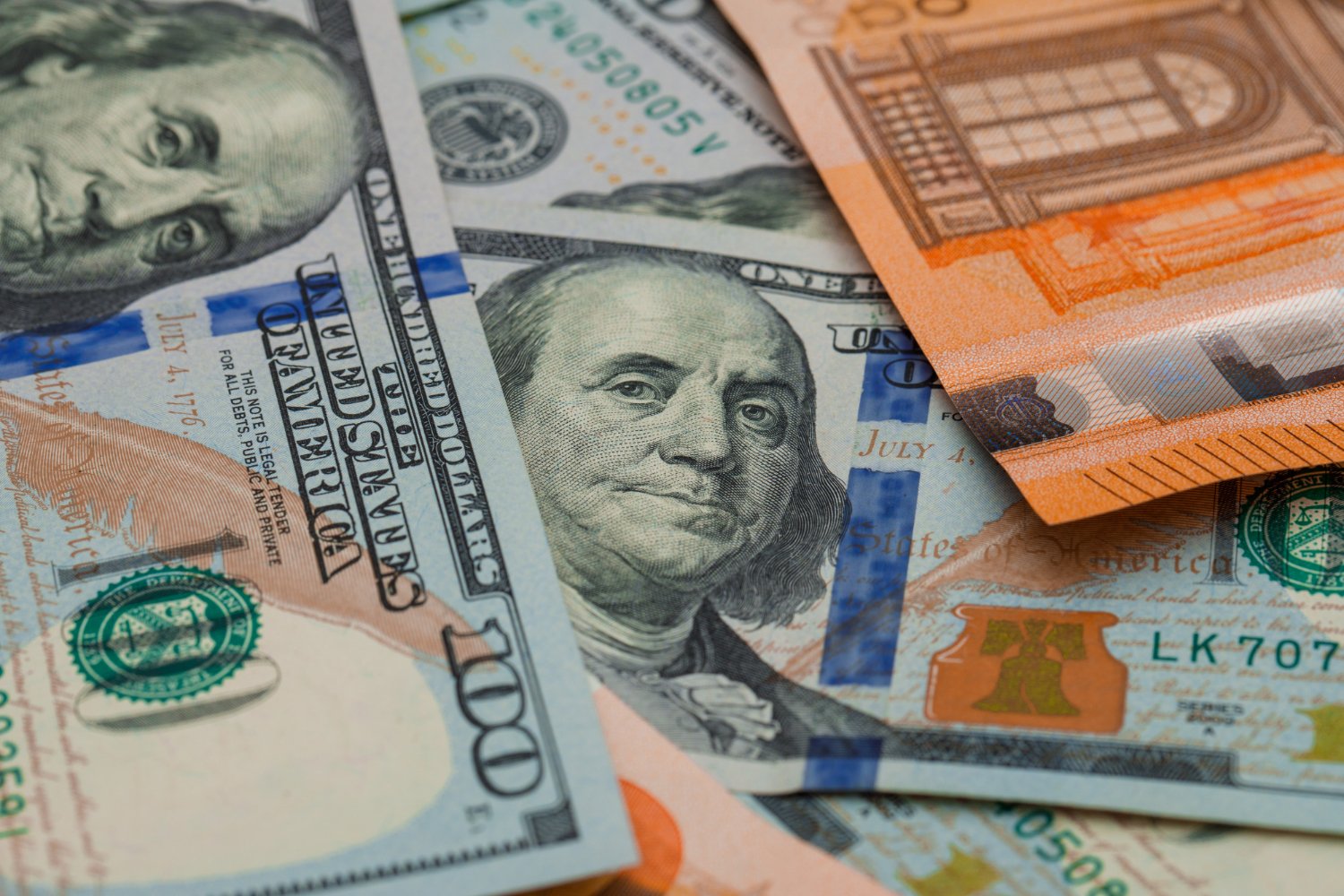

The U.S. dollar strengthened on Thursday, with the dollar index climbing toward the 100 level and snapping a two-day decline, after U.S. President Donald Trump’s prime-time address heightened uncertainty סביב the ongoing Iran conflict and reinforced demand for safe-haven assets.
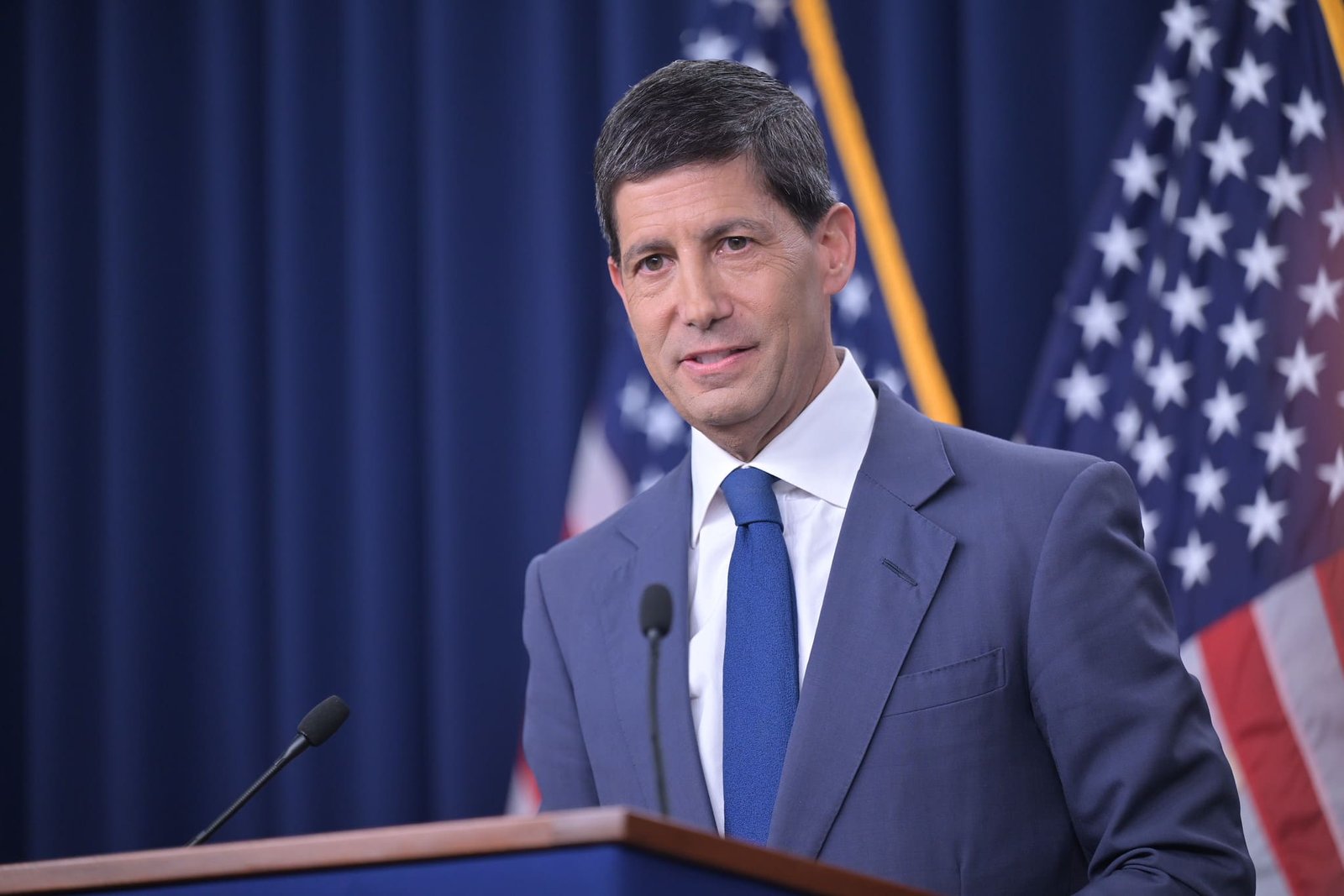
In his remarks, President Trump stated that Washington’s “core strategic objectives” in Iran were close to being achieved. However, he also warned that the United States could escalate military actions over the next two to three weeks, including potential strikes on critical and civilian infrastructure if no agreement is reached.
The lack of a clear timeline for de-escalation has unsettled global markets, driving investors toward the dollar as a defensive positioning strategy.
Safe-Haven Flows Support the Dollar
Since the onset of the conflict, the U.S. dollar has benefited from increased demand as investors seek stability amid geopolitical risk. The currency gained approximately 2.3% over the past month, reflecting sustained inflows into dollar-denominated assets.
The greenback’s strength underscores its enduring role as the world’s primary reserve currency during periods of heightened uncertainty, particularly when global capital rotates out of risk-sensitive markets.
Oil Surge and Inflation Risks Reinforce Dollar Strength
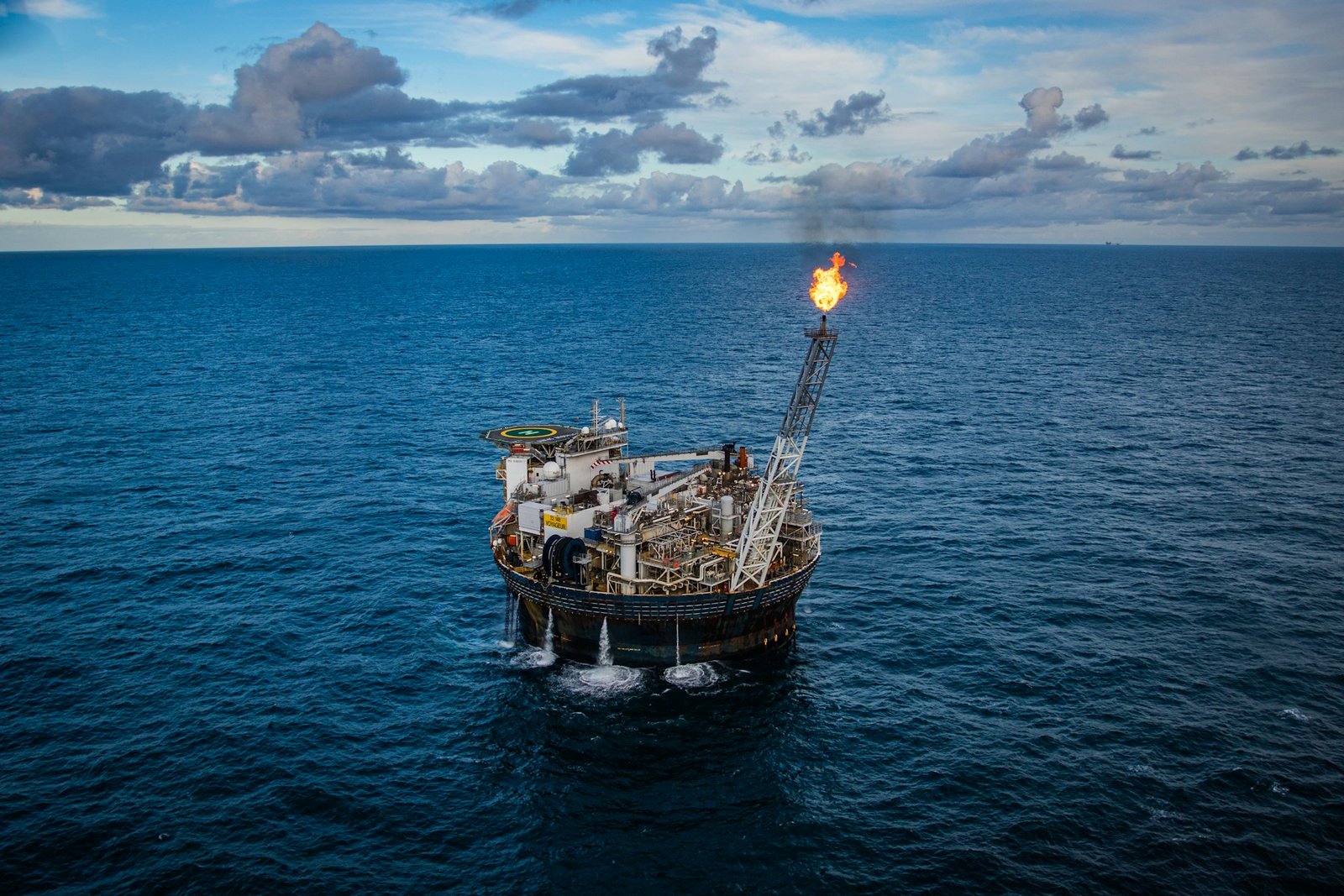
The escalation in tensions has also triggered a sharp rise in oil prices, amplifying concerns over renewed inflationary pressure across the global economy. Higher energy costs are expected to ripple through supply chains, potentially delaying the disinflationary روند observed earlier this year.
As a result, investors are reassessing expectations for U.S. monetary policy.
Markets have begun scaling back projections for Federal Reserve rate cuts in 2026, with some participants now anticipating a more prolonged period of restrictive policy. This shift in expectations has further supported the dollar’s upward momentum.
Conflicting Signals Add to Market Volatility
Adding to the uncertainty, President Trump stated earlier in the week that Iran had requested a ceasefire — a claim that was quickly denied by Tehran. The conflicting narratives have contributed to market volatility, leaving investors without a clear directional signal on the trajectory of the conflict.
Currency markets have reacted by favoring liquidity and safety, reinforcing the dollar’s position as the preferred hedge against geopolitical instability.
Outlook: Dollar Strength Tied to Geopolitics and Policy
Looking ahead, the dollar’s trajectory will depend on the evolution of the Iran conflict and its broader macroeconomic implications. Key factors to monitor include:
- Escalation or de-escalation of military activity
- Oil price dynamics and inflation impact
- Federal Reserve policy signaling in upcoming meetings
Should tensions persist or intensify, the dollar could remain supported in the near term, particularly as global investors continue to prioritize capital preservation.