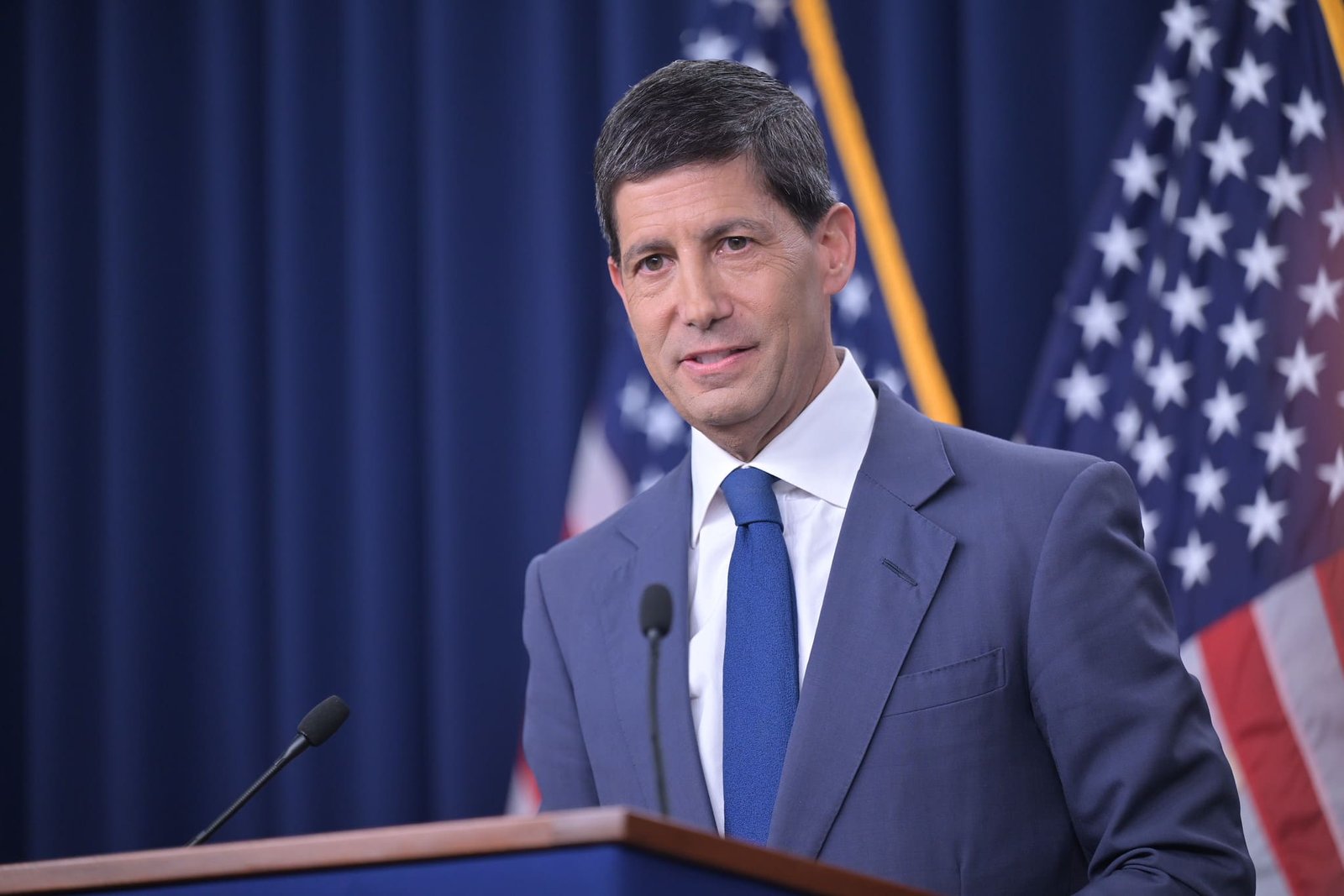

The euro weakened toward the $1.15 level on Thursday as investor sentiment turned cautious following a prime-time address by U.S. President Donald Trump, which failed to provide clarity on the timeline for resolving the ongoing Middle East conflict.
While President Trump indicated that U.S. operations may be approaching completion, he simultaneously signaled the possibility of intensified military actions over the next two to three weeks, including potential strikes on critical infrastructure such as electrical plants. The mixed messaging has heightened uncertainty across global markets, triggering renewed volatility in currency trading.
Markets React to Policy Ambiguity and Geopolitical Risk
The euro’s decline reflects a broader reassessment of risk as investors grapple with the lack of a defined diplomatic path. The absence of new strategic justification for continued military engagement has further weighed on confidence, reinforcing a cautious stance among global investors.
Currency markets, particularly sensitive to geopolitical developments, responded by reducing exposure to risk-sensitive assets and adjusting expectations for central bank policy trajectories.
ECB Outlook Shifts as Inflation Concerns Resurface
Amid rising geopolitical tension and persistent inflation concerns, market expectations for the European Central Bank have shifted significantly. Investors are now pricing in three interest rate hikes in 2026, up from two anticipated just one day earlier.
Notably, prior to the escalation in the Middle East conflict, consensus expectations had leaned toward a more accommodative stance, with some market participants even anticipating potential monetary easing.
The rapid repricing highlights how external geopolitical shocks are once again influencing monetary policy expectations in Europe, particularly as energy market volatility threatens to reignite inflationary pressures across the eurozone.
Currency Markets Enter a New Phase of Volatility
The euro’s movement underscores a broader trend: global currencies are increasingly being driven by geopolitical risk rather than purely economic fundamentals. Analysts note that continued uncertainty surrounding the Middle East could sustain downward pressure on the euro, particularly if energy prices remain elevated.
At the same time, any escalation in U.S. involvement or disruption to key energy corridors could further strengthen the U.S. dollar as a safe-haven asset, amplifying divergence between major currencies.
Outlook: Policy and Geopolitics Intertwined
Looking ahead, the trajectory of the euro will depend on a complex interplay between geopolitical developments and central bank responses. Key factors to monitor include:
- The duration and escalation of the Middle East conflict
- Energy price dynamics and inflation spillovers
- The European Central Bank’s policy signaling in upcoming meetings
With uncertainty dominating the macro landscape, currency markets are expected to remain highly reactive in the near term.