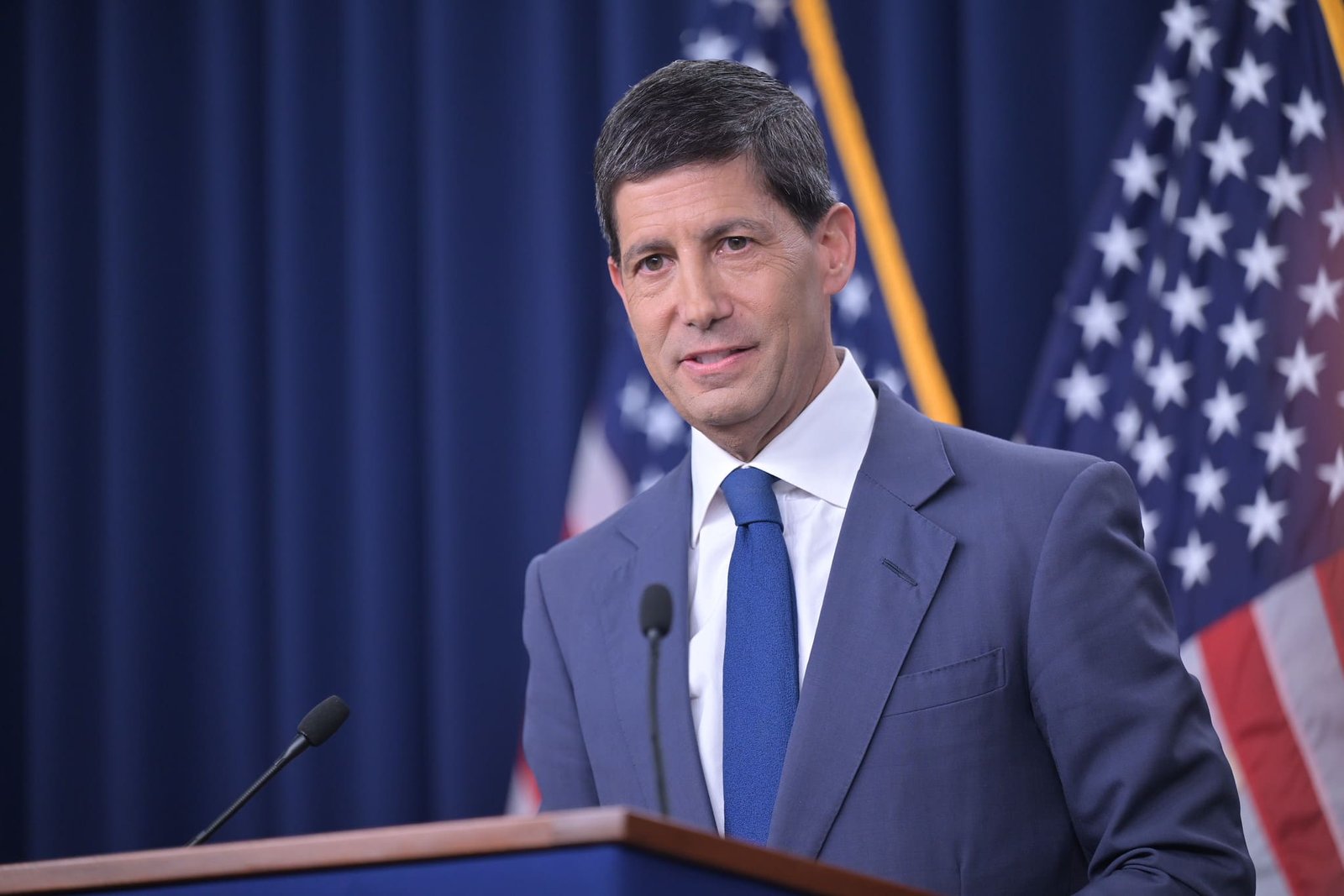

Oil prices surged sharply on Thursday, reclaiming levels above $100 per barrel after U.S. President Donald Trump warned that the conflict with Iran could extend for weeks and signaled that the United States would respond with “extremely hard” military action.
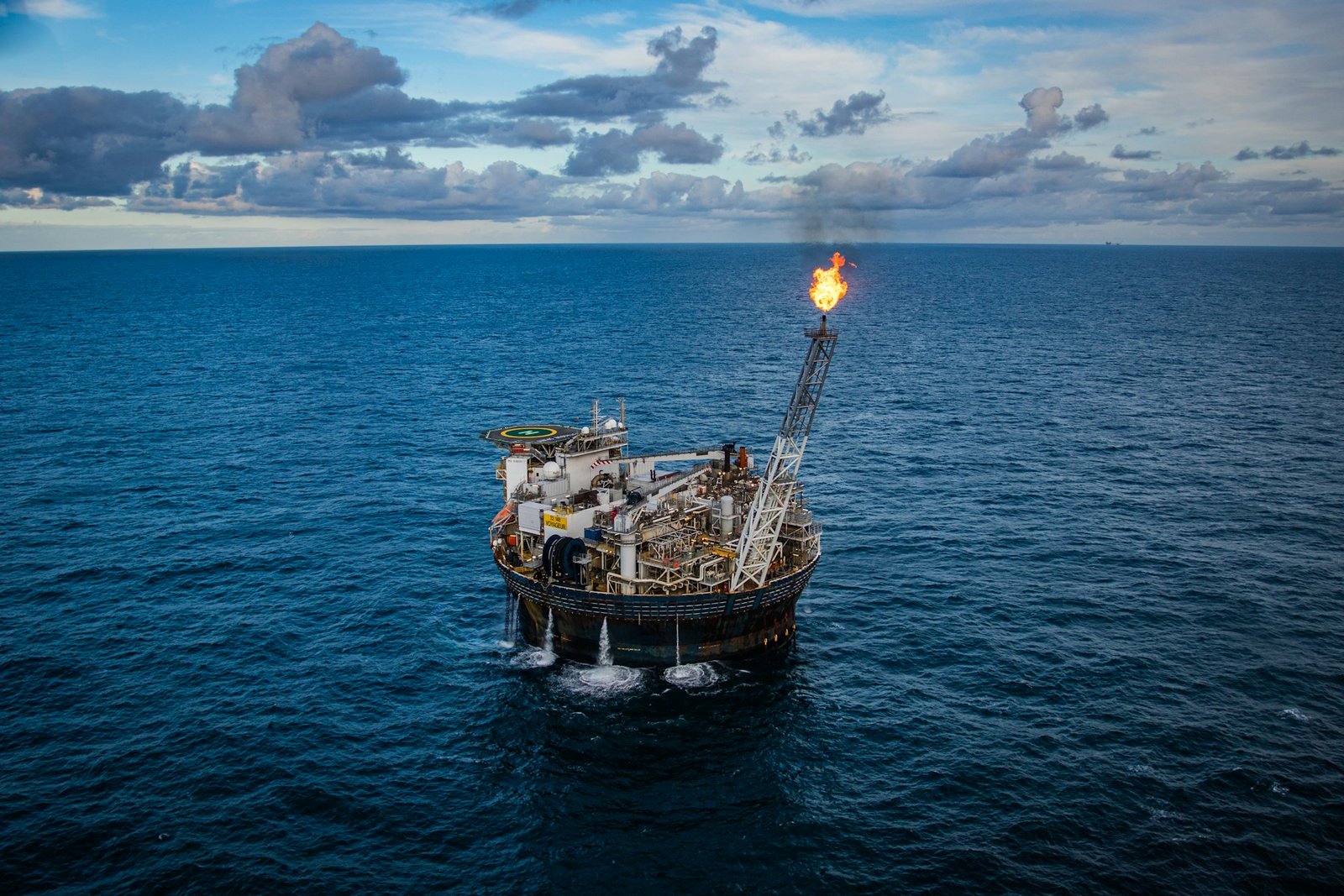
Benchmark crude prices reacted immediately. Brent crude climbed nearly 6.8% to around $108 per barrel, while West Texas Intermediate (WTI) rose approximately 6.4% to above $106, reflecting mounting fears of prolonged supply disruptions in the Middle East.
The rally follows heightened geopolitical uncertainty tied to the ongoing Iran war and renewed concerns over the stability of critical energy routes, particularly the Strait of Hormuz — a chokepoint responsible for roughly 20% of global oil supply.
Market Reacts to Escalation Signals
Investor sentiment shifted rapidly after President Trump indicated that U.S. military operations would continue without a defined timeline for resolution, dampening expectations of a near-term ceasefire.
Oil markets, already volatile in recent weeks, responded with sharp gains as traders priced in the risk of sustained disruptions to global supply chains. According to market analysts, the absence of a clear diplomatic path has increased the geopolitical risk premium embedded in crude prices.
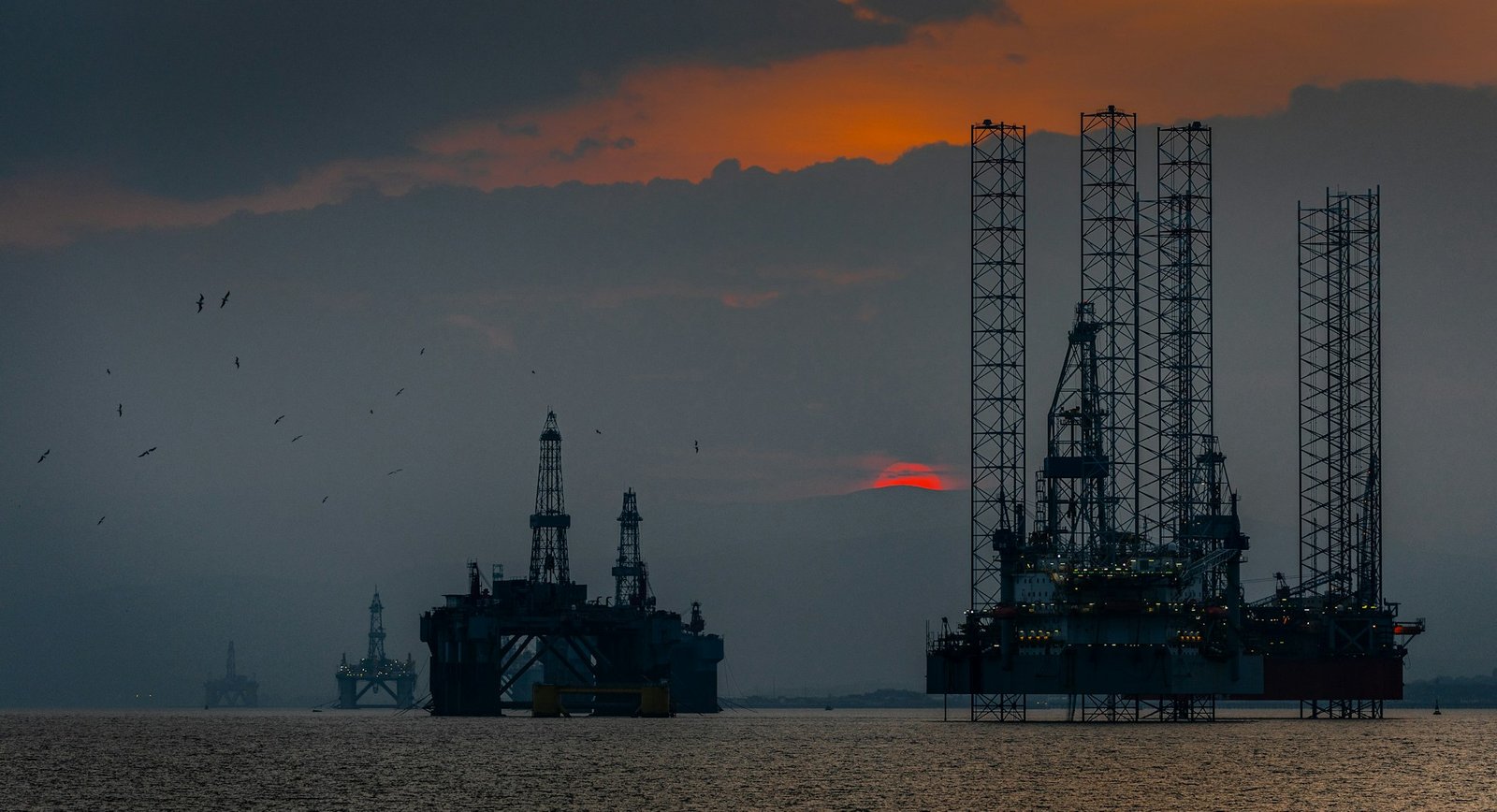
Recent attacks on energy infrastructure and tanker routes have further amplified concerns, with industry observers warning that continued instability could push oil prices even higher if maritime flows remain constrained.
Energy Shock Reverberates Across Global Markets
The surge in oil prices is not occurring in isolation. Broader financial markets have shown signs of stress, with equities under pressure amid fears that rising energy costs could fuel inflation and complicate central bank policy decisions.
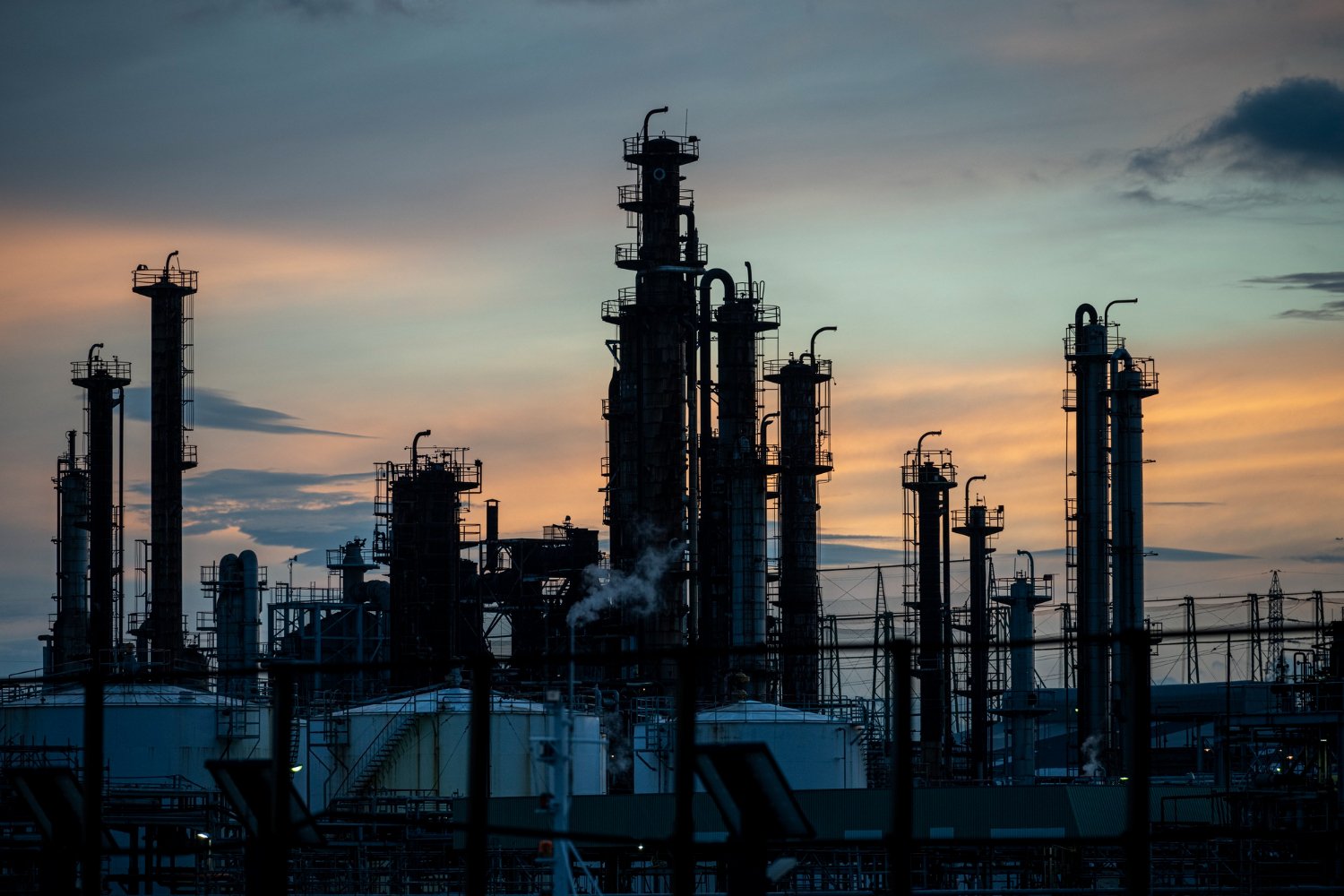
Higher crude prices are expected to cascade across the global economy, impacting transportation costs, industrial production, and consumer prices — particularly in energy-importing regions.
Outlook: Volatility Likely to Persist
Analysts agree that oil markets will remain highly sensitive to political developments in the coming weeks. While earlier signals of a potential de-escalation briefly pushed prices lower, the latest rhetoric from Washington has reversed that trend, reinforcing uncertainty.
With no clear resolution in sight, the trajectory of oil prices will largely depend on three critical variables:
- The duration and intensity of the Iran conflict
- The operational status of key shipping routes
- The potential for diplomatic intervention
Should tensions escalate further, some forecasts suggest crude could move significantly beyond current levels, intensifying pressure on the global economy.