
British Pound Sterling weakened toward $1.33 as escalating geopolitical tensions between the United States and Iran triggered a wave of global risk aversion, sending shockwaves through currency, energy, and fixed-income markets.
The move reflects growing investor concern over macroeconomic instability, as geopolitical uncertainty converges with inflationary pressures and shifting monetary policy expectations.
Geopolitical Tensions Drive Market Volatility
Recent statements from Donald Trump suggested that Iran may be seeking a diplomatic agreement, though “fears admitting it.” However, Iranian state media has pushed back, rejecting negotiations and instead proposing unilateral guarantees—including potential fees for vessels transiting the strategically critical Strait of Hormuz.
The Strait of Hormuz remains one of the world’s most vital النفط transit corridors, and any disruption—or even perceived threat—has immediate implications for global energy supply chains.
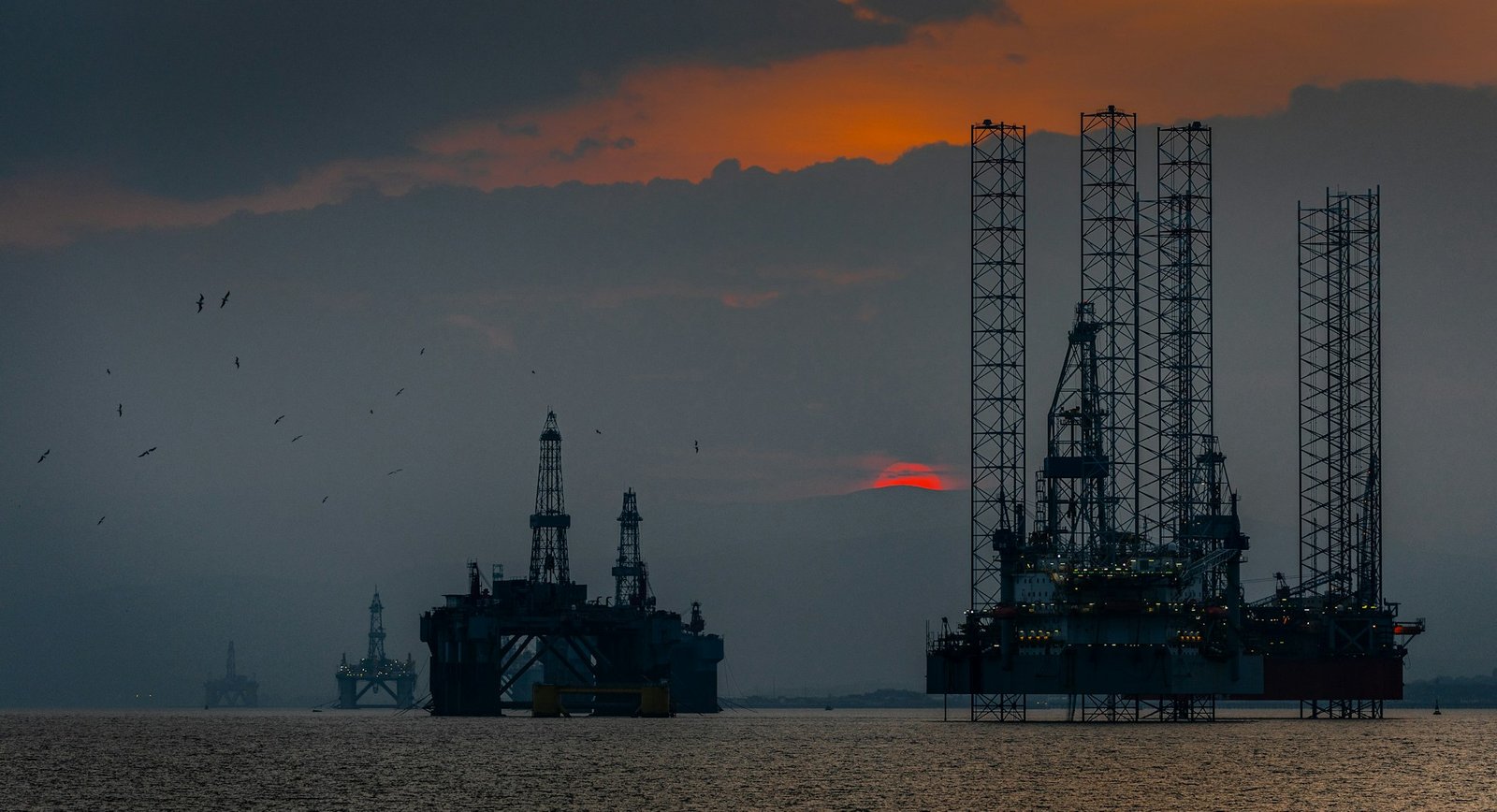
Oil Prices Surge as Supply Risks Intensify
Amid rising tensions, Brent Crude Oil prices surged toward $105 per barrel, on track for their largest monthly gain since 1990. The rally underscores heightened concerns around supply constraints and geopolitical risk premiums being priced into energy markets.
Higher oil prices are expected to feed directly into inflation, complicating the policy outlook for central banks globally—particularly in energy-importing economies such as the United Kingdom.
UK Consumer Confidence Hits Record Lows
Domestically, the UK economy is already showing signs of strain. Consumer confidence dropped sharply in March, reaching historic lows, as households brace for higher energy costs and broader inflationary pressures linked to the conflict.
This deterioration in sentiment raises concerns about consumption trends and economic resilience, especially as the country navigates a fragile post-inflation recovery.
Bank of England Faces Tightening Pressure
Markets are now recalibrating expectations for the Bank of England, with investors pricing in two to three interest rate hikes in the coming months.
Current market probabilities indicate:
- Approximately 70% chance of a rate hike next month
- A second increase fully priced in by July
This tightening outlook reflects the central bank’s need to balance inflation control against slowing economic momentum—an increasingly complex policy challenge amid external shocks.