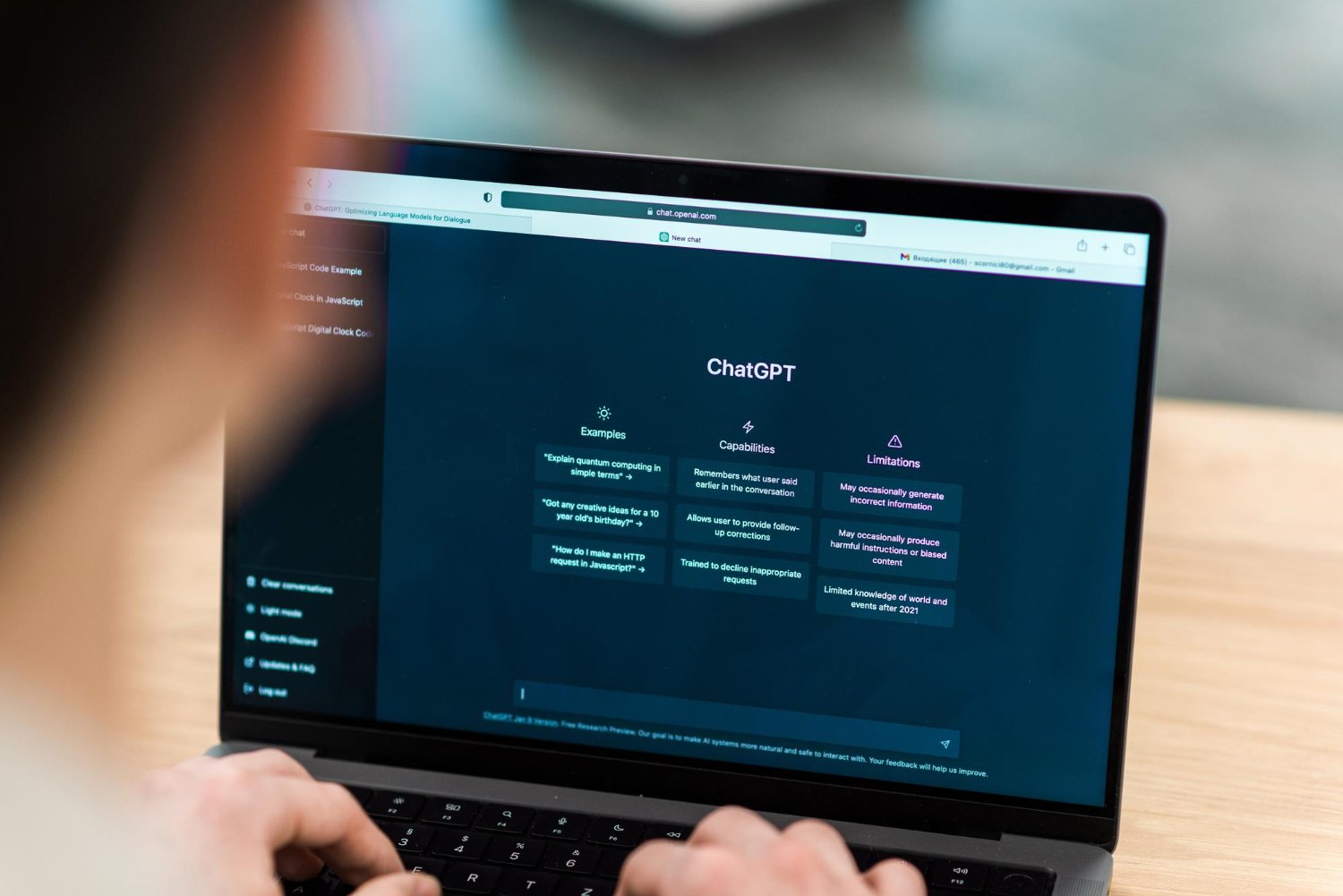

OpenAI is preparing for a significant expansion of its global workforce, signaling a new phase of scale and competitive positioning in the rapidly evolving artificial intelligence sector.
The company, led by CEO Sam Altman, is expected to nearly double its headcount to approximately 8,000 employees by the end of the year, as part of a broader strategic restructuring designed to strengthen its leadership in both consumer and enterprise AI markets.
According to a report by the Financial Times, the expansion will focus on key areas including engineering, product development, research, and sales, alongside the recruitment of specialists dedicated to enhancing customer engagement with its AI tools.
Scaling for the Enterprise AI Race
The hiring initiative reflects OpenAI’s increasing focus on enterprise adoption, where demand for advanced AI solutions continues to accelerate across industries. By expanding its capabilities in both technical and commercial functions, the company aims to deepen its integration with corporate clients and reinforce its position as a leading infrastructure provider in the AI economy.
This move comes at a time when businesses are rapidly transitioning from experimentation to implementation, embedding AI into core operations, decision-making processes, and customer-facing systems.
Rising Competition from Anthropic
The expansion also underscores intensifying competition within the AI sector. Rival company Anthropic has been gaining traction, particularly among enterprise clients seeking alternative models and governance frameworks.
As competition shifts from model performance alone to trust, scalability, and enterprise usability, talent acquisition is emerging as a critical differentiator. OpenAI’s aggressive hiring strategy signals its intent to maintain leadership by investing heavily in both innovation and customer experience.
Strategic Restructuring and Market Positioning
Beyond headcount growth, the hiring push reflects a broader organizational recalibration. OpenAI is aligning its internal structure to better support large-scale deployments, enterprise partnerships, and global distribution of its products.
The addition of customer-focused specialists highlights a strategic pivot toward usability and engagement — key factors in converting technological capability into sustained market dominance.